
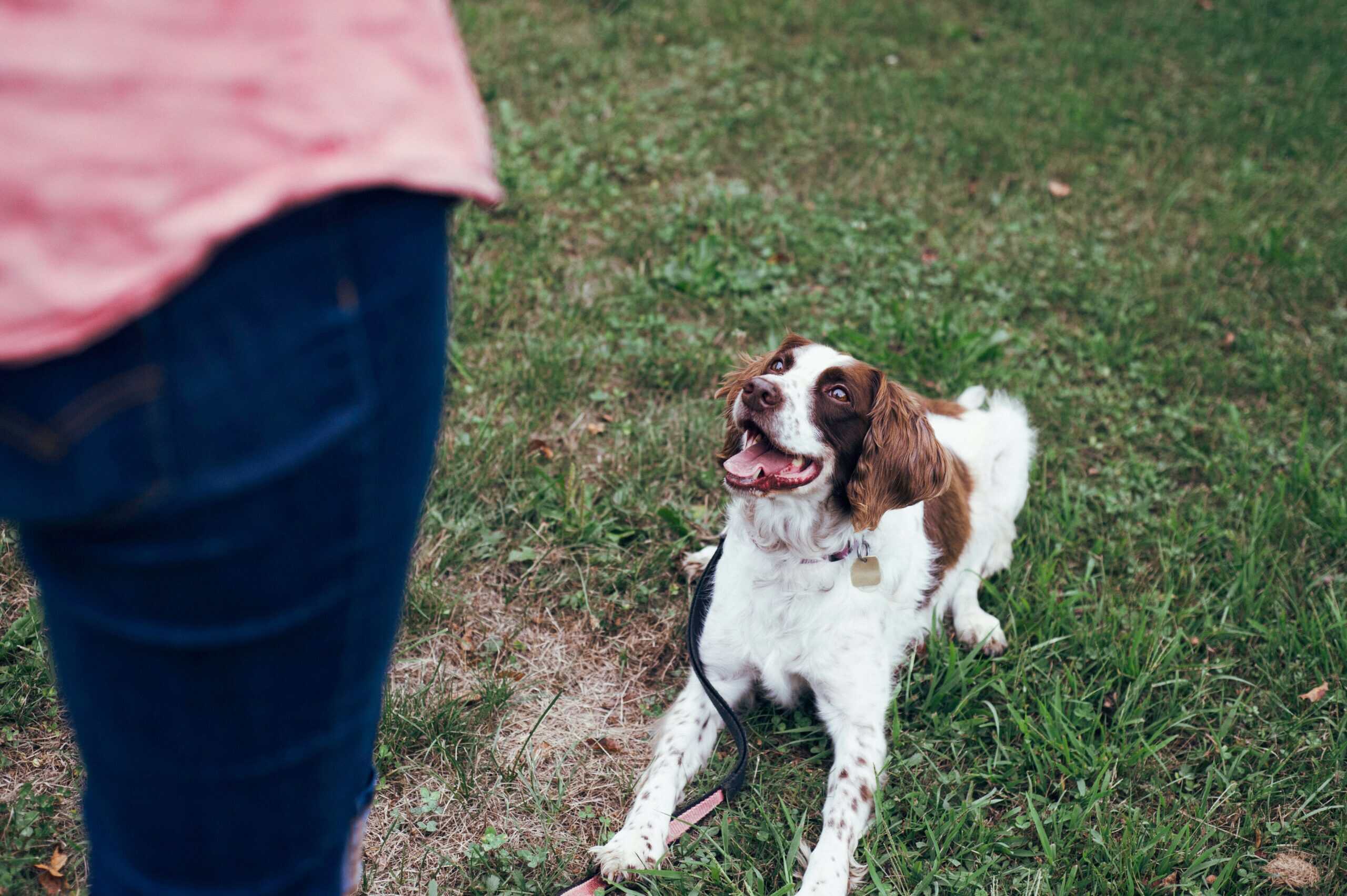
Most dog training failures aren’t about the dog. They’re about owners who weren’t given a clear framework and end up reaching for whatever they happen to remember from old TV shows. The actual science of how dogs learn has been worked out in detail over the last several decades, and the methods that work best (consistent positive reinforcement) are different from the dominance-and-correction approaches that many people grew up with. If you’re shopping, start with our guide to the best washable dog beds.
This guide walks through the foundational principles, the actual mechanics of teaching dogs to do what you want, and how to handle the most common behavior problems. Done well, basic training can be largely complete within a few months for a puppy and rewarding throughout a dog’s life as you build on it.
Key Takeaways
- Positive reinforcement (rewarding what you want) works better than punishment and produces dogs with fewer behavior problems and better welfare outcomes
- Consistency across all family members matters more than which specific method you use
- Short, frequent training sessions (five to ten minutes, several times per day) work better than long ones
- Most behavior problems are training problems; address the underlying skill rather than just the symptom
How Dogs Actually Learn
Dogs learn primarily through association and consequence. Two principles capture most of it.
Classical conditioning. Dogs link things that happen together. The leash predicts walks. The sound of the can opener predicts food. The doorbell predicts visitors. These associations form quickly and strongly. You can use them deliberately: pairing the sound of “sit” with the action of sitting and a treat creates a strong association that the dog will respond to.
Operant conditioning. Dogs learn from consequences. Behaviors that produce rewards happen more. Behaviors that produce nothing (or unpleasant outcomes) happen less. This is the foundation of all training. Reward what you want; ignore or redirect what you don’t.
The implication for training: you’re constantly shaping your dog’s behavior, whether you intend to or not. If begging at the table gets a piece of food occasionally, begging gets reinforced. If jumping on guests gets attention (even scolding attention), jumping gets reinforced. Becoming intentional about which behaviors you reward is most of the training.
Why Positive Reinforcement Works Better
The choice between reward-based and punishment-based training methods has been studied extensively. The consensus from peer-reviewed veterinary research is clear: positive reinforcement is more effective and produces better welfare outcomes than aversive methods.
A 2020 study published in PLOS ONE compared dogs trained with aversive methods (leash pops, e-collars, verbal corrections) versus dogs trained with reward-based methods. The aversively trained dogs showed more stress behaviors during training and a less positive emotional state outside of training sessions[1]. Another 2020 study published in Frontiers in Veterinary Science compared dog training with and without electronic collars and found that positive reinforcement was more effective at addressing target behaviors and produced fewer welfare concerns[2]. Handling tolerance is trainable, and our note on a dog that dislikes collar contact covers the approach.
The practical takeaway: reward what you want, redirect what you don’t, and rarely (if ever) reach for punishment. Most behavior problems can be solved with reward-based approaches alone. Cases that seem to require punishment usually respond to better-designed positive interventions.
The Five Core Skills
Foundation training for any dog typically focuses on five basic skills. Get these and most of the rest follows.
Sit. The most useful behavior to teach first. Easy to capture (most dogs sit naturally), easy to reward, and easy to use throughout life as a default polite behavior.
Stay. Holding position until released. Builds impulse control. Useful for everything from waiting at doors to staying calm during visitors.
Down. Lying down on cue. More relaxed than sit; harder to break out of. Useful for longer waits and settling.
Come. Recall when called. The most important safety skill. A reliable recall can save your dog’s life.
Walk on leash. Walking near you without pulling. Foundation for being able to take the dog anywhere.
Each skill is taught the same basic way: lure or capture the behavior, mark and reward at the moment of success, gradually add a verbal cue, then proof the behavior with distractions and distance.
The Training Mechanics
The actual moment-to-moment work of training has a few consistent elements.
Marker. A clear signal that says “yes, that’s it, reward coming.” Many people use the word “yes” in a distinctive tone. Some use a clicker (a small mechanical noise maker). The marker happens at the precise moment the dog does the right thing. For more on clicker-specific work, see best dog training clickers.
Reward. Food works best for most dogs in most contexts. High-value training treats are small, soft, easily chewed, and quickly consumed. For some dogs, toys or praise work as primary rewards. Use whatever the individual dog finds motivating.
Timing. The marker and reward should come within about a second of the desired behavior. Slow timing produces confusion. Fast accurate timing produces learning.
Repetition. Behaviors need multiple repetitions to become reliable. 10-20 repetitions per session, several sessions per day, over multiple days. Faster than people expect for simple skills; slower than people expect for complex ones.
Progressive difficulty. Once the dog reliably does a behavior in a calm familiar environment, gradually add complexity: distractions, distance from you, varied locations. The skill needs to generalize.
Maintenance. Trained behaviors fade if never used. Keep practicing the basics throughout the dog’s life with occasional rewards.
The Behavior Problem Decision Matrix
Most “behavior problems” are actually training problems where the dog hasn’t been taught what to do instead. The following matrix maps common issues to the underlying skill gap and the satellite guide that walks through the specific work.
| Behavior Problem | Underlying Skill Gap | Approach | Detailed Guide / Gear |
|---|---|---|---|
| Pulling on leash | Hasn’t been taught loose-leash walking; pulling has been rewarded by forward motion | Reward walking near you; stop when leash tightens; use a no-pull harness | How to stop pulling + No-pull harnesses |
| Jumping on people | Jumping has been rewarded by attention; no alternative greeting taught | Ignore jumping, reward four paws on floor, teach a default sit greeting | How to stop jumping |
| Excessive barking | Specific triggers; barking has been rewarded (whether by your reaction or natural consequences) | Identify trigger, counter-condition, teach quiet behavior | How to stop barking |
| Won’t settle in crate | Crate hasn’t been built into a positive place | Slow positive intro, feed in crate, gradual durations | Crate training a puppy + Why dog won’t settle in crate |
| Puppy biting hands and clothes | Normal puppy mouthing; bite inhibition still developing | Redirect to appropriate chews, yelp-and-withdraw on hard bites | How to stop puppy biting + Why puppies bite |
| House soiling / accidents | Incomplete house training; insufficient supervised outdoor opportunity | Frequent supervised trips, reward outdoor success, manage indoor space | How to potty train a puppy + Training pads |
| Won’t walk politely | Leash skills not built; competing motivations not addressed | Short positive sessions, high-value rewards, gradually add distractions | Leash training |
| Hyperactive, destructive when alone | Insufficient mental and physical exercise | Increase appropriate exercise, add structured enrichment | How to tire out a high-energy dog |
| Recall failure (won’t come when called) | Recall has been poisoned by negative associations; not enough positive reinforcement | Use a high-value reward only for recall; never punish a dog that came (even slowly) | Training treats + Training collars |
| Won’t accept new dog at home | Improper introduction; rushed pacing | Structured slow introduction in neutral space | How to introduce a new dog |
The pattern: each behavior problem has a training-shaped hole behind it. Filling that hole, rather than punishing the symptom, fixes the issue durably.
Session Structure
The optimal training session is much shorter than most people think.
five to ten minutes maximum for puppies and beginning dogs. Their attention spans are short. Longer sessions produce frustration on both ends.
Several sessions per day rather than one long one. 3-5 short sessions distributed throughout the day produce better learning than one 30-minute session.
End on success. Stop while the dog is still engaged and just succeeded at something. Don’t push until the dog fails repeatedly.
Vary the contexts. Some training in the kitchen, some in the yard, some at the park. Generalization needs varied practice.
Mix in known behaviors. Don’t only practice new things. Cycling through known skills builds confidence and keeps the dog warm.
A typical good session: 30 seconds of warmup with a known behavior, 5-7 reps of the new behavior, 1-2 reps of another known behavior, 5-7 more reps of the new behavior, end on a clean success.
📑 Recommended Read: The treats you use matter more than most owners realize. High-value training treats need to be small (so the dog can eat them quickly and keep working), soft (no chewing time), and motivating enough to beat distractions. Check out our tested breakdown of the dog treats for training for options that actually keep training momentum going.
The Reward Hierarchy
Not all rewards are equal. Different situations need different reward levels.
Low-value rewards. Regular kibble. Verbal praise. Brief pets. Use for known behaviors in low-distraction environments.
Medium-value rewards. Soft training treats. Toys. Use for learning new behaviors or working through mild distractions.
High-value rewards. Small pieces of cheese, hot dog, or specially-tasty treats. Use for the hardest contexts: high distractions, brand-new behaviors, recall when the dog might rather chase a squirrel.
The match should be: harder context, higher reward. The most common training mistake is using boring kibble in a high-distraction environment and then concluding the dog “doesn’t listen.” The dog listens fine; the reward just wasn’t worth it.
Puppy Training vs. Adult Dog Training
The basic mechanics are the same but the practical considerations differ.
Puppies have shorter attention spans, smaller bladders (limiting session duration before potty breaks), faster basic learning of associations, and undeveloped impulse control. Sessions should be very short and very frequent. House training and crate training are the immediate priorities. Foundation skills can be added gradually.
Adult dogs have longer attention, fewer biological interruptions, and often have built-up habits (good and bad) that need to be worked through. New training has to compete with established patterns. Often easier to introduce structure quickly because the dog has more impulse control.
Adopted dogs often need a settling-in period before training starts in earnest. The first week or two should focus on establishing safety and routine. Then begin training as you would with any new dog, but watch for trauma-related behaviors that may need a different approach.
Socialization: Critical and Often Mistimed
Socialization is the process of exposing puppies to positive experiences with people, dogs, environments, sounds, and situations. The critical socialization period is approximately three to fourteen weeks of age. Experiences during this period shape the adult dog’s comfort with the world.
The tension: puppies often haven’t completed vaccinations during this window, which historically led owners to keep puppies isolated until 4 months. Modern veterinary behavior consensus is that the cost of inadequate socialization (lifelong fear and reactivity) outweighs the disease risk, with appropriate precautions.
Practical socialization for an under-vaccinated puppy includes: carrying them on outings to expose them to sights and sounds; controlled visits with known-healthy vaccinated dogs; puppy classes that require all participants to be vaccinated; visitors to your home of all ages and types.
What socialization should look like: many positive experiences with varied people and situations. The goal is for the puppy to feel safe and curious, not overwhelmed. Forced encounters can backfire.
When to Use a Professional Trainer
Many owners can handle basic training without professional help. But several situations benefit from professional input.
Aggression of any kind. Don’t try to handle this alone. Reactive behavior, resource guarding that goes beyond mild posturing, or biting needs professional behavioral assessment, ideally from a veterinary behaviorist or certified behavior consultant.
Severe anxiety. Separation anxiety that causes significant distress or property damage often needs structured professional intervention plus possibly medication.
Behaviors that have resisted home training for several months. If you’ve been working on something consistently and not making progress, an outside eye often spots the issue.
Specialty work. Service dog training, competitive sport training, advanced off-leash work. Beyond foundation training, specialty work usually benefits from professional guidance.
Choose a trainer who explicitly uses positive reinforcement methods. Many trainers still use aversive techniques despite the evidence against them. Ask about specific methods before signing up. Certifications from CCPDT, IAABC, or PPG generally indicate reward-based methods.
Common Mistakes and How to Avoid Them
Inconsistency across family members. If one person allows jumping and another doesn’t, the dog stays confused. Agree on rules and stick with them.
Punishing after the fact. Coming home to find a chewed shoe and scolding the dog teaches the dog that you are unpredictable. The dog can’t connect the punishment to the chewing that happened hours earlier.
Using rewards as bribes rather than reinforcements. Showing the treat to lure the dog into doing something means the dog only performs when the treat is visible. Reward after the behavior, not before.
Training sessions that are too long. Five to ten minutes works better than 30 minutes. Multiple short sessions beat one long one.
Reaching for punishment when something doesn’t work. Almost always means the training plan needs adjustment, not that the dog needs correction. Re-evaluate the setup.
Skipping socialization. Critical window closes around 14 weeks. Missed opportunities here become lifelong fears.
Expecting fast results. Some skills take weeks of consistent work. Some take months. Steady progress is the goal, not instant compliance.
Ignoring the dog’s basic needs. A tired, anxious, hungry, or sick dog can’t train well. Meeting the basics first makes training possible.
Not generalizing trained behaviors. A set that only works in the kitchen is incomplete. Practice in varied environments.
Punishing recall. If you call your dog and then do something they don’t like (bath, leash on, end of fun), recall gets poisoned. Make coming when called consistently rewarding.
Frequently Asked Questions
How long does it take to train a dog? Basic skills (sit, down, stay, come, walk on leash) can be solid in four to eight weeks of consistent work for most dogs. Reliable proofing (working with distractions and in varied environments) takes months. Some advanced skills take a year or more.
Are some dogs untrainable? Almost no dogs are untrainable in the absolute sense. Some are harder than others; some have past trauma or anxiety that needs professional help. But the vast majority of dogs can learn basic skills with consistent positive methods.
What if my dog isn’t motivated by food? First, check whether the food is high-value enough and whether the dog hasn’t been recently fed. Some dogs prefer toys or play as rewards. A small minority of dogs need creative motivation strategies. Truly food-uninterested dogs are rare.
Should I use a clicker? Optional. Clickers provide a very precise marker that some trainers prefer. A verbal marker (“yes!”) works fine for most home training. The mechanics matter more than the specific tool.
Can old dogs learn new tricks? Yes. The saying is wrong. Older dogs learn at a similar rate to younger ones; they sometimes have established habits to work through, but the underlying learning ability is intact.
What about e-collars / shock collars? The research is detailed: positive reinforcement is more effective and produces better welfare outcomes than aversive tools[1],[2]. Several European countries have banned aversive training devices. For training purposes, e-collars rarely add value that can’t be achieved through better positive methods.
My dog is reactive on walks. What do I do? Reactivity (lunging, barking at other dogs or people) needs a structured behavior modification plan, usually with professional help. The goal is to change the underlying emotional response, not just suppress the behavior.
How important is the breed for training difficulty? Less than people think. Breed influences tendencies (terriers want to dig, retrievers want to mouth things), but the basic learning ability is similar across breeds. Some breeds are more biddable; some are more independent. Almost all can be trained well with appropriate methods.
References
- Vieira de Castro AC, Fuchs D, Morello GM, Pastur S, de Sousa L, Olsson IAS. Does training method matter? Evidence for the negative impact of aversive-based methods on companion dog welfare. PLOS ONE. 2020;15(12):e0225023. DOI: 10.1371/journal.pone.0225023
- China L, Mills DS, Cooper JJ. Efficacy of Dog Training With and Without Remote Electronic Collars vs. a Focus on Positive Reinforcement. Frontiers in Veterinary Science. 2020;7:508. DOI: 10.3389/fvets.2020.00508
Related Reading
Keep going with a training whistle. Also explore: dog sweaters, dog crate vs playpen, dog knee braces, dog doors, dog couch covers, dog doggles and sunglasses, dog gates, and dog muzzles.
A reliable settle makes home and outings easier.
Also see: how to introduce dog and cat, how to stop a dog from chewing, how to stop a dog from digging.
More Guides in This Collection
- dog seat belts and car restraints
- how to socialize a puppy
- how to stop a dog from eating poop
- how to teach dog come called
- why do dogs sleep so much
- why do dogs twitch in their sleep
- why does my dog have bad breath
- why does my dog sleep at my feet
- why does my dog stare at me
- why dogs circle before lying down
- why dogs eat grass
- why dogs get the zoomies
- why dogs lean on you reasons
- why dogs lick paws reasons
- why dogs tilt heads
- why dogs wag tails meaning
- anti bark devices dogs
- dog cameras for separation anxiety
- harness training a cat
- rawhide chews safe for dogs
- bark collar mechanism
- chew toys for aggressive chewers
- dog dental chews
- dog doorbells for potty training
- flavored dog chews
- hide chews for dogs
- dental sticks vs rawhide chews
- hide chews for small dogs
- how long do hide chews last
- how many potty trips does a dog need per day
- choosing a dog chew
- rope toy vs chew toy
- ultrasonic vs shock bark collar
- understanding your dogs behavior at home
- why dogs shake toys behavior
Related guides: our guide to long line dog leashes.
Training without sound relies on the same foundations applied differently. Hand signals, attention work, and startle conditioning covers the adaptation.
Rescue timelines rarely match expectations. Attachment building over time covers why that is usually good news.
Pressure wraps are used for anxiety alongside training. Anxiety wraps and thunder shirts covers the evidence.
