
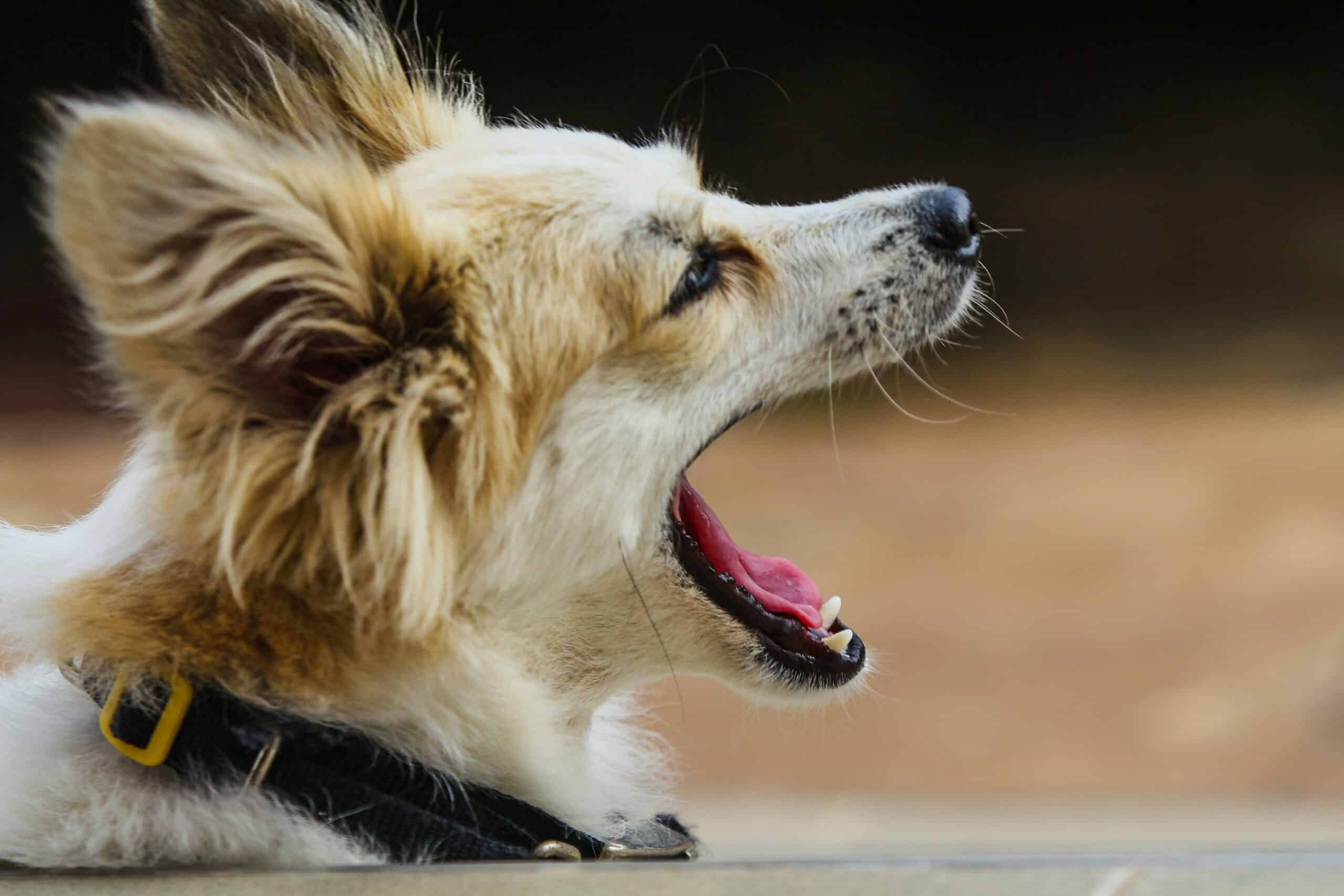
Comparing options? See our best washable dog beds roundup. Bad breath in dogs is common, but it is not something to simply accept, because while some causes are minor, persistent bad breath often points to dental disease or, less commonly, a health problem that needs a vet. Understanding the causes helps you tell everyday doggy breath from a sign worth acting on. This guide walks through the common reasons and when to see your veterinarian, as general information rather than a diagnosis. For related care, see our guides on how to brush a dog’s teeth and the best dog dental chews.
Quick Answer
Most dog bad breath comes from dental disease, where plaque, tartar, and gum infection produce odor, which is very common in adult dogs. Diet and everyday habits can cause temporary bad breath, but persistent bad breath, or a distinctive sweet or unusual smell, can signal dental or other health problems. The reliable fix is dental care plus a veterinary check to find the cause.
Key Takeaways
- The most common cause of dog bad breath is dental disease, including plaque, tartar, and gum infection.
- Diet and everyday habits can cause temporary bad breath, but persistent breath usually means dental issues.
- Certain odors, like sweet, fruity, or urine-like smells, can signal health problems needing a vet.
- Regular tooth brushing, dental chews, and vet-recommended cleanings are the main ways to manage it.
- See a vet for persistent, sudden, or unusual bad breath, or breath with other symptoms.
Dental Causes, the Most Common Reason
By far the most common cause of bad breath in dogs is dental disease, which develops quietly and affects a large share of adult dogs. This is where most bad breath comes from.
Plaque and tartar buildup
When plaque hardens into tartar, it harbors bacteria that produce the odor of bad breath, and this buildup is extremely common in dogs. Regular tooth brushing and dental care slow it down. Left unchecked, it progresses to more serious gum disease.
Periodontal (gum) disease
As dental disease advances, infected and inflamed gums produce a stronger, more persistent bad smell, along with possible pain and tooth problems. Periodontal disease is very common in adult dogs and is a leading reason for bad breath. It needs veterinary attention rather than home care alone.
What helps
Regular tooth brushing, dental chews, and professional cleanings when your vet recommends them are the main ways to manage dental causes. Establishing a dental routine early prevents much of the buildup. Your vet can advise on the right approach for your dog.
Diet and Everyday Causes
Some bad breath comes from what a dog eats or ordinary habits, which are generally less concerning than dental disease but still worth knowing.
Something they ate
Dogs that get into garbage, eat strong-smelling food, or, unpleasantly, eat feces can have temporary bad breath from the source. This kind of odor usually passes once the cause is gone. Persistent bad breath, though, is not explained by diet alone.
Food stuck in teeth
Bits of food lodged between teeth or in the gums can rot and smell, especially without regular dental care. Brushing and dental chews help clear and prevent this. It overlaps with the dental causes that need ongoing care.
Diet type
Some owners notice differences in breath between feeding types, though the evidence is mixed and dental care matters far more. Rather than relying on diet to fix breath, focus on dental hygiene. Ask your vet if you suspect diet is a factor.
Health Causes That Need a Vet
Less commonly, bad breath signals an underlying health problem, which is why persistent or unusual breath should be checked. These causes make a vet visit important.
Distinctive odors can be warning signs
Certain breath smells are associated with health problems: a sweet or fruity smell, a urine-like smell, or an unusually foul odor can point to metabolic or organ-related issues. These are reasons to see a vet rather than assume it is just dental. Only a professional can properly assess them.
Other conditions
Problems in the mouth like growths, as well as issues elsewhere in the body, can sometimes cause bad breath alongside other symptoms. When bad breath comes with changes in appetite, drinking, weight, or behavior, it is more likely to signal something needing attention. A vet can investigate.
When to see the vet
See your veterinarian if your dog has persistent bad breath, a sudden change in breath odor, a distinctive sweet or unusual smell, or bad breath along with other symptoms like drooling, appetite changes, or weight loss. A dental check is also worthwhile if you have never had your dog’s teeth assessed.
This article is general information and cannot diagnose your dog. Because persistent bad breath usually means dental disease and occasionally something more, a veterinary check is the reliable way to find the cause and keep your dog healthy.
Recommended Reading
Frequently Asked Questions About Dog Bad Breath
Why does my dog’s breath smell so bad?
The most common reason is dental disease, where plaque, tartar, and gum infection produce odor, and this affects many adult dogs. Diet and everyday habits can cause temporary bad breath, but persistent bad breath usually points to dental issues and sometimes a health problem worth a vet visit.
Is dog bad breath normal?
Mild doggy breath is common, but genuinely bad or worsening breath is not something to simply accept, since it usually indicates dental disease. Persistent or unusual bad breath is worth having checked rather than treating as normal.
How can I get rid of my dog’s bad breath?
The main approach is dental care: regular tooth brushing, dental chews, and professional cleanings when your vet recommends them. Because persistent bad breath often means dental disease, a vet check is the reliable way to address the cause rather than just masking the smell.
When should I take my dog to the vet for bad breath?
See a vet for persistent bad breath, a sudden change in odor, a sweet, fruity, or unusually foul smell, or bad breath alongside symptoms like drooling, appetite changes, or weight loss. A dental assessment is also wise if your dog’s teeth have never been checked.
Can bad breath mean my dog is sick?
Sometimes, yes. While dental disease is the usual cause, certain breath odors, like a sweet or urine-like smell, can be associated with health problems, especially with other symptoms. This is why persistent or unusual bad breath should be assessed by a vet.
Do dental chews help with dog breath?
Dental chews can help reduce plaque and freshen breath as part of a dental routine, but they work best alongside tooth brushing and veterinary dental care. They are a helpful supplement, not a replacement for addressing underlying dental disease.
Does brushing my dog’s teeth help bad breath?
Yes, regular tooth brushing is one of the most effective ways to reduce the plaque and tartar that cause bad breath. Establishing a brushing routine, ideally early, helps prevent the dental disease behind most bad breath.
Why does my puppy have bad breath?
Puppies can have mild breath changes during teething, which usually passes, but persistent bad breath is still worth mentioning to your vet. Starting a gentle dental routine early sets up good habits and helps prevent problems later.
Recommended Reading
See also our guides to how to slow down a fast eating dog, why does my dog sleep at my feet, and why does my dog stare at me.
Sources
- General pet-health and dental-care information from established veterinary and pet-care sources. This is not a substitute for veterinary advice; consult your veterinarian about your dog.
