
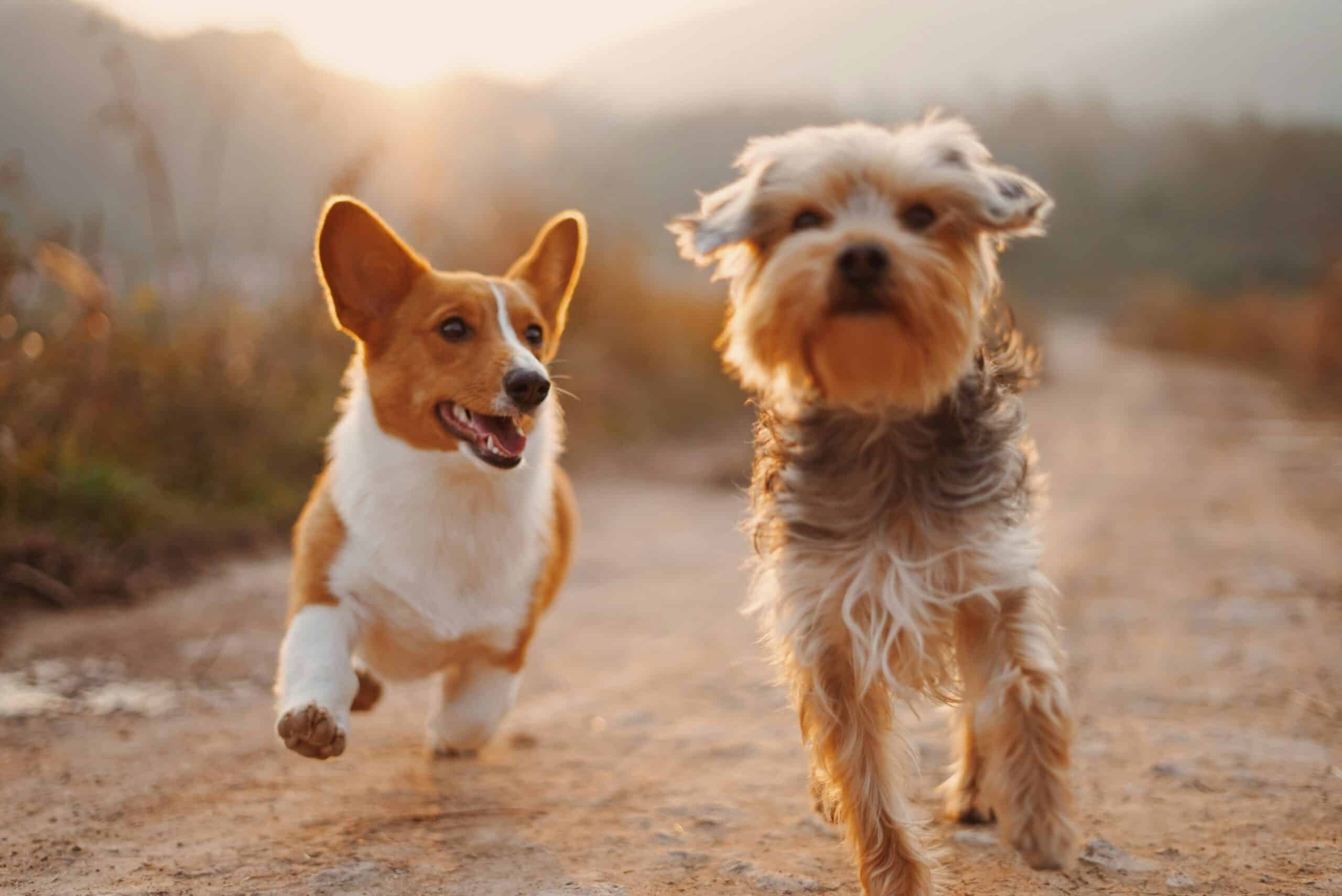
One minute, your dog is lying calmly on the rug. The next minute, they’re rocketing around the living room in tight circles, ears pinned back, butt tucked, eyes slightly wild, periodically bouncing off the couch. Then, just as suddenly, they stop. Pant for a few seconds. Lie back down. Resume looking normal. If you’re shopping, start with our guide to the best treat dispensing toys for dogs.
This is the zoomies. Researchers and veterinarians often use the more formal term FRAPs (Frenetic Random Activity Periods), but most owners just call it “doing the zoomies.” It’s one of the more entertaining and bewildering things dogs do. It also has specific triggers, specific patterns, and a few situations where the behavior is worth paying attention to rather than just enjoying.
The good news for most owners: Zoomies are almost always healthy, normal, and a sign of a happy dog. The brain and body are discharging accumulated energy in the most efficient way they know how. This guide walks through what’s happening, what triggers it, when to encourage it, and the rare situations where you’d want to manage it.
Key Takeaways
- Zoomies (FRAPs) are a normal way dogs discharge accumulated energy, excitement, or stress through brief, intense activity.
- Common triggers include post-bath relief, end of a long calm period, post-poop celebration, evening energy peak in puppies, and excitement at familiar arrivals.
- Most common in puppies and young dogs, but adult and senior dogs zoomie too, just less frequently
- Zoomies become a concern when they happen in unsafe spaces (icy ground, near roads), when they’re accompanied by stress signals rather than play signals, or when they replace healthy exercise.
What FRAPs Actually Are
The technical name researchers use is Frenetic Random Activity Periods. The behavior is characterized by sudden onset of intense activity (running in circles, zig-zag patterns, or back-and-forth dashes), exaggerated body postures (the play bow, low rump-tucked running, sometimes spinning), brief duration (usually under a minute, sometimes a few minutes), and equally sudden cessation. The dog then often returns to whatever they were doing before.
What’s happening physiologically: the body is discharging accumulated arousal through intense physical activity. Excitement, stress, sensory stimulation, or simple energy buildup creates a kind of pressure that the dog’s nervous system resolves by activating the motor system at full intensity for a brief period. It’s the canine equivalent of someone unable to sit still, spontaneously jumping up and dancing.
The randomness is part of the pattern. There’s no specific goal, the dog isn’t chasing anything, isn’t going anywhere, isn’t trying to accomplish a task. The activity is the point. This distinguishes FRAPs from goal-directed behaviors like play, hunting, or exercise.
Common Triggers
Several situations reliably produce zoomies in most dogs.
After a bath. One of the most universal triggers. The combination of having endured the bath, the unusual sensation of being wet, and the relief of being out and free produces a dramatic energy release. Many dogs immediately rub themselves on every available surface and then zoom around the house. The behavior is so common that “post-bath zoomies” is practically its own category.
After a long, calm period. Dogs that have been resting or contained for a while build up activity reserves. The first release of that energy often takes the form of zoomies. End of the workday, after a long car ride, after waking from a long nap, after an extended polite-dog session at a restaurant patio, all common zoomie triggers.
Right after pooping. Yes, this is real and common. Many dogs zoomie immediately after a satisfying bowel movement. The leading theory: the visceral relief activates a parasympathetic-then-sympathetic rebound, and the dog responds with a burst of activity. It’s also possible that finishing a vulnerable activity (squatting in the open) triggers a small rush of relief that gets discharged as zoomies. Whatever the mechanism, it’s a recognizable and consistent pattern, sometimes paired with other quirky post-bathroom behaviors like the spot-checking circle some dogs do before settling.
During the witching hour for puppies. Many puppies have a predictable late-afternoon or evening energy peak (sometimes called the witching hour) when they get zoomies. This corresponds to a time of day when puppies need physical and mental stimulation; without it, the energy comes out as wild activity regardless.
When you come home. Greeting excitement can trigger zoomies. The dog has been holding it together while you were gone, and your arrival releases the held energy.
Cold weather (especially the first snow). Many dogs respond to cold air, snow, or unusual outdoor conditions with zoomies. The novel sensory input, plus the energizing effect of cold, often produces dramatic outdoor zoomies.
After play sessions ramp up. Active play (tug, fetch, wrestling with another dog) sometimes builds excitement to a point where the dog needs to discharge it through brief solo zoomies.
End of a training session or vet visit. Activities that require sustained mental focus or restraint create tension that releases as zoomies once the activity ends.
Why Puppies Do It Most
Puppies are zoomie-prone in ways adult dogs aren’t, for several reasons.
Puppy energy levels are higher relative to body size. They have more energy to discharge and less developed self-regulation. Puppy nervous systems are still maturing. They haven’t yet developed the cognitive and behavioral skills to channel excitement into appropriate activities consistently. Puppy attention spans are short, which means transitions between activities happen frequently and each transition is a possible zoomie trigger. Puppy emotional reactivity is higher. Excitement, fear, frustration, and joy all trigger more intense responses than they would in an adult.
As puppies mature, they develop better impulse control, and the frequency of zoomies usually declines. Most dogs still zoomie occasionally throughout their lives, but the daily multi-zoomie pattern of puppyhood usually settles by a year or two of age for most breeds. High-energy breeds (terriers, Border Collies, Australian Shepherds, working breeds) may continue having frequent zoomies further into adulthood.
For ideas about channeling that puppy energy more productively, see our companion article on how to tire out a high-energy dog.
Adult and Senior Dog Zoomies
Adult dogs zoomie less often than puppies, but still do it under the right circumstances. The triggers are usually more limited: post-bath, after long restraint, occasional energy releases on cold mornings. Adult dogs are also generally better at picking appropriate locations (open spaces vs. furniture-cluttered living rooms), though the post-bath zoomie still tends to be indoor and chaotic.
Senior dogs zoomie even less but still occasionally. A senior dog suddenly zooming around briefly is usually a positive sign: pain-free, feeling good, finding the energy for it. The behavior generally shouldn’t be discouraged for senior dogs unless safety is a concern.
What is worth noting: a senior dog whose normal personality includes occasional zoomies and who suddenly stops having them may be indicating they don’t feel great. The absence of zoomies can be subtle data about a dog’s overall wellness.
What Zoomies Look Like (And What They Don’t)
Recognizing zoomies versus other behaviors helps interpret what’s going on.
Zoomies (FRAPs). Sudden onset, intense activity, exaggerated postures (play bow, tucked rump running), brief duration, sudden cessation. Body language often shows arousal, but in a play context: loose body, soft eyes if you can see them, sometimes a goofy expression. The dog usually appears to be having a good time.
Play with another dog. Similar arousal level but with a play partner. Often involves chase reciprocation, play bows toward the other dog, and breaks where dogs check in with each other.
Hunting or prey-drive behavior. More focused. The dog is tracking something specific (squirrel, cat, ball). Body language is purposeful, not random.
Anxiety or panic. Different. The dog may run frantically but with tight body language, tucked tail, ears pinned, frantic expression, attempts to escape or hide. Triggered by something stressful (thunderstorm, fireworks, separation) rather than energy buildup.
Compulsive behavior. Same dog running the same pattern repeatedly without a clear external trigger, often combined with other compulsive behaviors (tail chasing, flank sucking, light chasing). A different category may warrant behavioral evaluation.
Pain or neurological event. Sudden, unusual movement that doesn’t fit the dog’s normal patterns, possibly combined with vocalizations, stumbling, or other signs of distress. Different from normal zoomies, warrants vet attention.
For typical zoomies, the body language is the giveaway. Loose, playful, exaggerated, briefly intense, then released. The dog looks happy throughout. That’s the signature of healthy energy release.
📑 Recommended Read: Dogs that zoomie frequently often have under-channeled energy that better daily enrichment can redirect. Check out our tested breakdown of the dog enrichment toys for high energy dogs to find options that give intense dogs structured outlets for the energy that otherwise comes out as zoomies.
When to Encourage Zoomies
For most dogs in most situations, zoomies are just to be enjoyed. They’re healthy, normal, brief, and they make the dog (and often the owner) happy. Watch them, laugh, take a phone video, let the dog do their thing.
Outdoor zoomies in safe spaces (fenced yards, dog parks, open natural areas) are ideal. The dog has room to really run, the surface is appropriate, and there are no obstacles to crash into. Many dogs zoomie harder and longer outdoors than indoors and clearly enjoy themselves more when the space allows.
Indoor zoomies are usually fine, but watch for hazards (slippery floors, sharp furniture corners, breakable items, stairs). For homes with hazards, having a designated zoomies-safe space (a hallway clear of obstacles, a basement, a yard accessible from the back door) is useful.
When to Manage Zoomies
A few situations warrant intervention or management.
Slippery surfaces. Wood floors, tile, ice. Dogs can injure themselves zooming on surfaces that don’t provide traction. Joint and ligament injuries are real risks. Move zoomies to better surfaces when possible or use rugs to provide traction.
Near roads or unfenced areas. Zoomies have a momentum problem; once started, the dog isn’t always tracking environmental hazards carefully. Don’t allow zoomies in spaces where the dog could end up in traffic.
Around small children, elderly people, or other vulnerable individuals. A 60-pound dog zooming through a living room with a toddler in it is a knock-down risk. Move the zoomies elsewhere.
Recovering from injury or surgery. Dogs on activity restriction shouldn’t zoomie. Limit access to spaces where zoomies happen (crate or leash restriction in the house) until the recovery period is over.
Senior dogs with joint issues. Occasional zoomies are fine, but watch for signs that the dog has overdone it (stiffness afterward, limping, reluctance to go up stairs). Senior dogs sometimes don’t know their limits.
Anxious dogs in stressful contexts. If zoomies are happening because the dog is overwhelmed (loud party, lots of people, chaotic environment), the right response is to provide a quiet space rather than encouraging the zoomies. Stress-related zoomies are different from joy zoomies.
How to Redirect Without Suppressing
If zoomies need to happen elsewhere (slippery floor, near a baby, fragile environment), the goal is redirection, not suppression. Dogs who get reliable energy outlets do zoomies less often and in more controlled contexts.
Practical redirection:
Open a door to a safer space. Many dogs will follow the opportunity for outdoor zoomies if given the chance. Redirect with a toy. A flirt pole, a thrown ball, or a tug rope can channel the energy into structured play that satisfies the urge. Increase daily exercise. Dogs that have already had a good walk, a play session, and some mental work tend to zoomie less. Add training time. Brief training sessions involving rewards drain mental energy and reduce the share that comes out as zoomies. Adjust meals if relevant. Some dogs zoomie at specific times of day related to energy levels around feeding; meal timing adjustments can shift the pattern.
What doesn’t work well: yelling at the dog to stop, chasing them around the house, or physical restraint. The zoomies have to discharge somehow; trying to prevent the discharge usually just delays it or makes it more intense when it eventually happens.
When Zoomies Are Concerning
Most aren’t. But the following patterns warrant attention.
Zoomies that look frantic rather than playful, with stress body language. Zoomies that the dog can’t stop or seems unable to come down from. Zoomies are combined with other unusual behaviors (compulsive tail chasing, repetitive running in tight circles, light or shadow chasing). Sudden change in pattern: a dog who didn’t use to zoomie and now does it constantly, especially if accompanied by other behavioral changes. New-onset zoomies in a senior dog after a long period without them, especially if accompanied by disorientation or apparent confusion. Zoomies that consistently result in injury or near-injury. Zoomies that seem painful (vocalizations, abnormal gait, signs of distress during or after).
Most of these are signs to talk to a vet or a positive-reinforcement trainer. Compulsive movement disorders, neurological issues, and severe anxiety all sometimes present as zoomies-like behavior that’s different from normal FRAPs.
Common Mistakes and How to Avoid Them
Trying to physically catch a zooming dog. Doesn’t work and risks injury to both of you. Wait for them to stop on their own.
Yelling or punishing the behavior. Zoomies are an involuntary energy discharge, not disobedience. Punishment doesn’t reduce them and damages the relationship.
Letting puppies zoomie on hardwood without rugs. Real injury risk. Add rugs in the zoomie zones or redirect to carpet or outdoor space.
Encouraging zoomies in unsafe areas. Near furniture they could crash into, near stairs they could fall, in slippery kitchens with hot stoves. Choose where the energy gets discharged.
Assuming under-exercised dogs need more zoomies. Under-exercised dogs need more structured exercise. Zoomies are a release of accumulated energy, but they’re not a substitute for proper daily activity. A dog who only gets exercise through zoomies isn’t getting enough.
Worrying about every zoomie. The vast majority are healthy and fun. Save the worry for the patterns that don’t match normal zoomies (frantic body language, compulsive patterns, accompanying signs of distress).
Ignoring slippery floor injuries. Dogs that consistently zoomie on slippery floors can develop joint issues over time. Worth addressing before injury.
Frequently Asked Questions
Are zoomies normal? Yes, very. Almost all dogs zoomie at some point, and many dogs zoomie regularly. It’s a normal way to discharge energy.
How often do healthy dogs get zoomies? Highly variable. Puppies may zoomie multiple times daily. Adult dogs may zoomie a few times a week. Senior dogs may zoomie only occasionally. All of these can be normal.
Are zoomies a sign of happiness? Usually yes. Most zoomies are positive, excitement, joy, and energy release. Stress-related zoomies look different and have different body language.
Why does my dog zoomie after pooping? One of the most common and most asked-about patterns. The leading theory involves the relief response after a vulnerable activity, combined with the parasympathetic-then-sympathetic rebound. Whatever the mechanism, it’s common and benign.
Should I let my dog zoomie? In safe spaces, yes. The energy has to go somewhere, and zoomies are an efficient way to discharge it. Just choose appropriate locations (good traction, no hazards, away from vulnerable people).
My dog never zoomies. Is something wrong? Not necessarily. Some dogs (especially calm breeds, older dogs, or naturally low-energy individuals) zoomie rarely or never. As long as the dog seems happy and healthy, it’s not a concern.
My dog hurts themselves during zoomies. What should I do? Address the surface (rugs on slippery floors, move the zoomies outdoors), increase daily exercise so accumulated energy is lower, and consider whether the dog is over-aroused in general (which a positive trainer can help address).
Can older dogs still get zoomies safely? Yes, as long as they don’t have major joint issues, balance problems, or other physical limitations. The occasional senior zoomie is a sign of a dog feeling good. Just don’t let them run on slippery floors or steep terrain where falls could cause injury.
Recommended Reading
See also our guides to bully sticks dogs, and wet food vs dry food for dogs.
Related Reading
Explore more: bully sticks dogs, why do dogs twitch in their sleep, anti bark devices dogs, Signs of Heatstroke in Dogs Every Owner Should Know, flirt poles dogs, how to brush a dogs teeth, why dogs wag tails meaning, and why dogs eat grass.
