
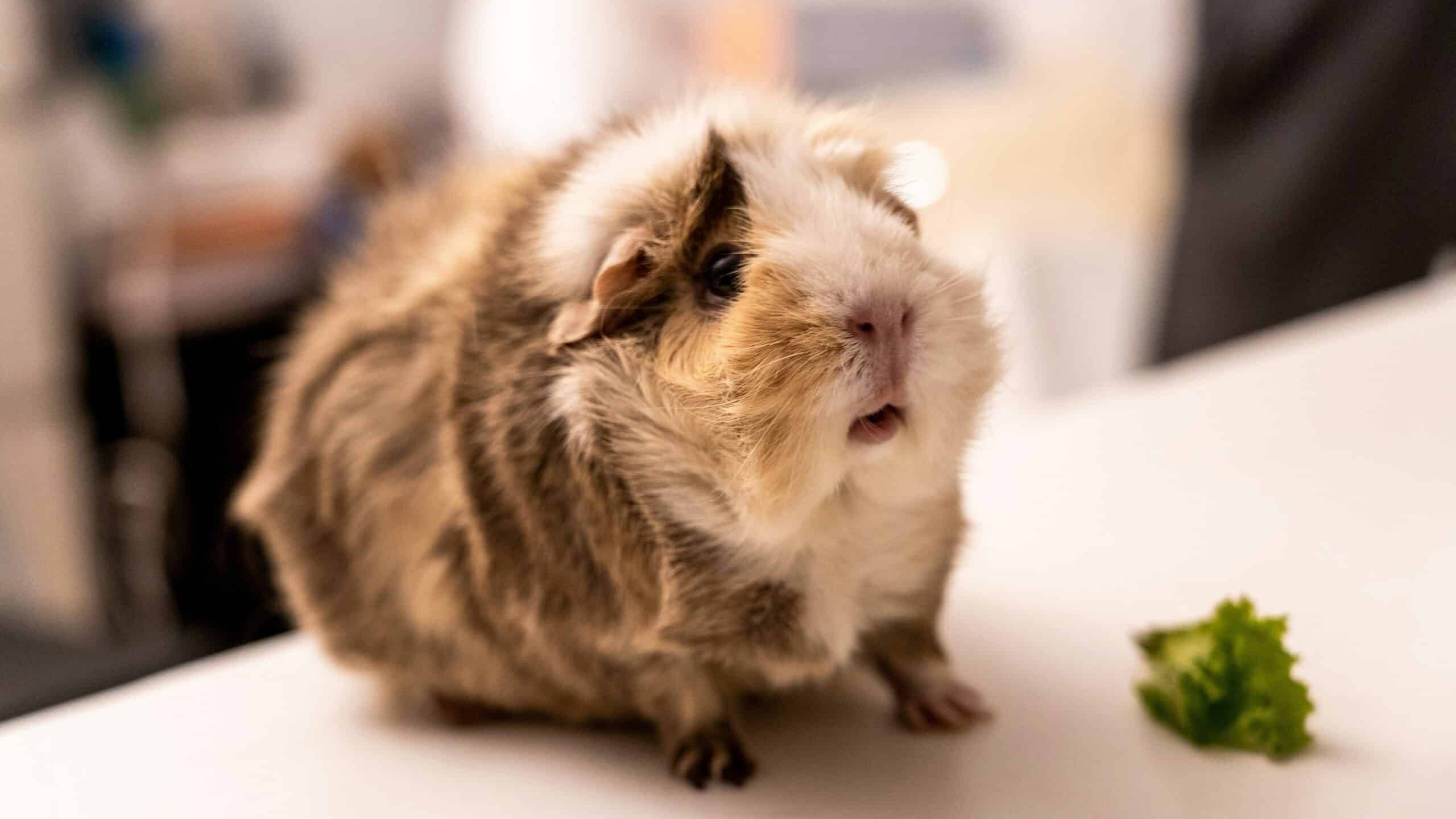
Guinea pigs cannot make their own vitamin C, so it has to come in daily through food or a supplement, and the form you choose decides whether the animal actually gets it. The best guinea pig vitamin C supplements are the ones you can confirm were eaten, which is why tablets and chews beat drops added to a water bottle. Water-added vitamin C is the single most common approach and the least reliable one.
Fresh vegetables do most of this work in a well-run setup, with supplements covering the gaps. The requirement itself is explained in why guinea pigs need vitamin C.
A Quick Note
This article covers product forms rather than doses. How much vitamin C a particular guinea pig needs depends on its age, condition and diet, and that is a question for a veterinarian who sees exotic pets. A guinea pig showing signs of illness needs examining rather than supplementing.
Key Takeaways
- Guinea pigs need dietary vitamin C every day, unlike rabbits.
- Drops added to drinking water are widely discouraged, for two separate reasons.
- Anything you watch the animal eat is more reliable than anything you add to water.
- Vitamin C in pellets degrades over time, so pellet freshness matters.
- Fresh vegetables are the foundation, with supplements as backup.
- Dosing is a veterinary question, not a label-reading exercise.
How We Picked These Supplements
We sorted these by delivery method, because that is what determines whether a measured amount reaches the animal. A supplement nobody can confirm was consumed is not doing its job.
Then we weighted stability, since vitamin C breaks down with exposure to light, air and water. Packaging and storage matter more here than with most supplements.
We have not used these with animals or measured anything, so nothing here is a result from our own guinea pigs, and no product here is claimed to prevent or treat any condition. Deficiency is a veterinary diagnosis.
1. Chewable Vitamin C Tablets, Best Overall
Why It Stands Out
A tablet given by hand is the only form where you know exactly what went in and that it was eaten. That certainty is the entire point of supplementing.
Hand-feeding also builds a small daily handling routine, which makes a guinea pig easier to check over and weigh.
Worth Knowing
Not every guinea pig takes a tablet willingly, and some learn to spit them out. Crushing one onto a favorite vegetable usually solves it.
Tablets vary in strength between products, so the number per day is a question for your vet rather than a figure to copy from a forum.
This suits most households and any guinea pig that takes food from a hand. Skip it if yours reliably refuses. Best for: knowing with certainty that the supplement was consumed.
Check Price on Amazon2. Flavored Vitamin C Chews, Best for Fussy Pigs
Why It Stands Out
These are built to be wanted rather than tolerated, so a guinea pig that fights a plain tablet will often take one without argument. Compliance beats elegance.
Because they are treat-shaped, they also fit naturally into an existing routine without feeling like medicine.
Worth Knowing
Many flavored chews carry added sugars or binders, so the ingredient list is worth reading. A supplement should not become a daily sweet.
They cost more per serving than plain tablets, and the vitamin C content is sometimes lower than the packaging implies at a glance.
This suits a guinea pig that refuses tablets. Skip it where added sugar is a concern. Best for: getting a supplement into a difficult eater.
Check Price on Amazon3. Liquid Drops for Direct Dosing, Best Precision
Why It Stands Out
Given straight into the mouth or onto food, a measured liquid dose is accurate and fast, which suits a sick or recovering animal that is not eating normally. The dropper removes the guesswork.
Liquid is also the easiest form to adjust when a vet changes an amount.
Worth Knowing
These are the same products often marketed for adding to water, and that use is the problem rather than the drops themselves. Direct dosing is the reliable method.
Opened bottles lose potency, so storage instructions and dates matter. Keep them dark and cool.
This suits recovering animals and anyone needing an exact adjustable dose. Skip adding it to the water bottle. Best for: precise dosing on veterinary advice.
Check Price on Amazon4. Fortified Timothy Pellets, Best Baseline
Why It Stands Out
Pellets formulated for guinea pigs include stabilized vitamin C, so a baseline arrives with the daily food and nobody has to remember anything. It is the lowest-effort layer.
Uniform pellets also stop an animal picking out the parts it likes, which is why plain formulas beat colorful mixes.
Worth Knowing
The vitamin C in pellets degrades steadily once the bag is opened and with exposure to light and warmth. An old bag delivers less than its label states.
Buy smaller bags more often and store them sealed and dark. Pellets are also only part of the diet, since hay remains the staple.
This suits every guinea pig as the underlying layer. Skip relying on it as the only source. Best for: a hands-off baseline that arrives with the food.
Check Price on Amazon5. Stabilized Vitamin C Powder, Best for Mixing With Food
Why It Stands Out
Powder sprinkled onto wet vegetables sticks where it lands and goes down with the food, which works for animals that refuse tablets and dislike being handled. Stabilized forms resist breakdown better than plain ascorbic acid.
It also scales easily across several animals in one go.
Worth Knowing
Measuring a small amount of powder accurately is harder than it sounds, and with a group you cannot tell who ate what. That matters when animals are fed together.
Companionship is standard for this species, so shared feeding is the norm rather than the exception, as whether guinea pigs need a companion sets out.
This suits animals that dislike handling and keepers feeding individually. Skip it with a group sharing one bowl. Best for: delivering a supplement without handling the animal.
Check Price on Amazon6. Vitamin C Rich Dried Forage, Best Alongside Fresh Veg
Why It Stands Out
Dried herbs and bell pepper pieces sold as forage give a guinea pig something to forage for while contributing to the same goal. Enrichment and nutrition in one handful is efficient.
Scattering forage also encourages natural foraging behavior rather than bowl feeding.
Worth Knowing
Drying reduces vitamin C content considerably, so this is a supplement to fresh vegetables rather than a replacement for them. Treat the contribution as a bonus you cannot quantify.
Some mixes include items guinea pigs should not have much of, so check against a safe-foods list. What guinea pigs cannot eat covers the exclusions.
This suits enrichment-minded keepers topping up a good diet. Skip it as a primary vitamin C source. Best for: foraging enrichment with a nutritional bonus.
Check Price on AmazonGuinea Pig Vitamin C Options at a Glance
| Form | Dose Certainty | Handling Needed | Best Use |
|---|---|---|---|
| Chewable tablets | High | Yes | Everyday supplementing |
| Flavored chews | High | Yes | Fussy or resistant animals |
| Liquid drops, direct | Very high | Yes | Recovery, vet-adjusted doses |
| Fortified pellets | Low, degrades | No | Baseline with daily food |
| Stabilized powder | Moderate | No | Animals that dislike handling |
| Dried forage | Very low | No | Enrichment on top of fresh veg |
What to Look For in a Vitamin C Supplement
A form you can confirm was eaten
This is the whole game. Anything handed over and watched beats anything dissolved into a shared water supply, because consumption is the step that actually matters.
Stabilized rather than plain ascorbic acid
Stabilized forms hold their potency longer against light, air and moisture. Plain ascorbic acid degrades fastest, which undercuts a product sitting open for weeks.
A short ingredient list
Sugars, artificial colors and fillers add nothing a guinea pig needs. The shorter the list, the easier it is to tell what you are giving daily.
Packaging that protects it
Opaque containers, resealable bags and small pack sizes all help. A large clear tub lasting months is working against the vitamin inside it.
Where Fresh Vegetables Fit
Fresh produce is the foundation rather than the extra, and a guinea pig eating a varied daily salad is already getting most of what it needs. Supplements then cover the days that go wrong.
Bell peppers do most of the heavy lifting in a typical rotation, with leafy greens and fresh herbs adding to it. Variety matters because no single vegetable should dominate a diet.
Preparation changes what survives. Vitamin C degrades once produce is cut and left out, so chopping at feeding time beats prepping a week of portions in advance.
Hay remains the staple underneath all of this, since fiber drives guinea pig digestion exactly as it does in rabbits. Portion control on sweeter vegetables applies to both species, and whether rabbits can eat carrots works through the same reasoning.
Tablets or Water Drops
Tablets give you a known dose
You hand it over, the animal eats it, and the day is covered. With a group you can supplement each animal individually, which no water-based method allows.
Water drops fail twice
Vitamin C degrades in water and in light, so the bottle weakens through the day. Worse, treated water often tastes different, and a guinea pig that drinks less because of it has a bigger problem than a missed supplement.
What Trips People Up
Assuming rabbits and guinea pigs are the same
They eat similar hay and share shelf space in pet shops, but only guinea pigs need dietary vitamin C. Feeding rabbit food to a guinea pig misses the requirement entirely, and whether guinea pigs can live with rabbits covers the wider differences. Reptiles have their own version of this requirement, which reptile calcium and vitamin supplements covers.
Trusting an old bag of pellets
The label figure describes the pellet when it was made. Months later, open and warm, it delivers less, which is why fresh small bags are worth the slightly higher price.
Supplementing instead of examining
A guinea pig that is quiet, limping, losing weight or eating less needs a vet appointment. Adding a supplement and waiting is how a treatable problem gets a head start.
Doubling up without asking
Fortified pellets plus tablets plus drops plus fresh veg is easy to end up with accidentally. Whether that total is appropriate is a question for a vet rather than something to assume is harmless.
Recommended Reading
Worth reading next: guinea pig cages, why guinea pigs squeak, the rabbit supplies checklist, and why rabbits need unlimited hay for the hay side of both species.
Guinea Pig Vitamin C FAQ
What are the best guinea pig vitamin C supplements
Chewable tablets are the best everyday choice because you can confirm they were eaten. Flavored chews work for resistant animals, direct liquid dosing suits recovery, and fortified pellets provide a baseline. Drops added to water are the approach to avoid.
Do guinea pigs really need vitamin C supplements
They need dietary vitamin C daily, and a diet with generous fresh vegetables plus fresh fortified pellets may cover it. Supplements are insurance against gaps, and whether a given guinea pig needs them is worth asking a vet.
Why not put vitamin C in the water
Two reasons. The vitamin degrades in water and light so the dose falls through the day, and altered taste can reduce how much a guinea pig drinks. Reduced water intake is a worse outcome than an imperfect supplement routine.
Which vegetables are highest in vitamin C
Bell peppers are the one most keepers rely on, with leafy greens and herbs contributing as well. Variety matters, and the safe-foods list is worth checking before adding anything new.
How much vitamin C does a guinea pig need
That depends on age, body condition, pregnancy and health status, so there is no single figure worth quoting here. A veterinarian who treats exotic pets can give you an amount for your animal.
Can you give a guinea pig human vitamin C tablets
Human supplements often contain sweeteners, flavorings or additional vitamins that are not appropriate, and the strengths are built for people. Ask a vet before using anything not formulated for small animals.
Can a guinea pig have too much vitamin C
Excess is generally excreted, but stacking several fortified products together is still worth discussing rather than assuming. Supplement questions belong with the vet who knows the animal’s diet and history.
When should you see a vet about a guinea pig
Reduced eating, weight loss, reluctance to move, swollen joints, or a change in how it sounds and behaves all warrant an appointment promptly. Guinea pigs hide illness well, so small changes are worth acting on rather than watching.
