
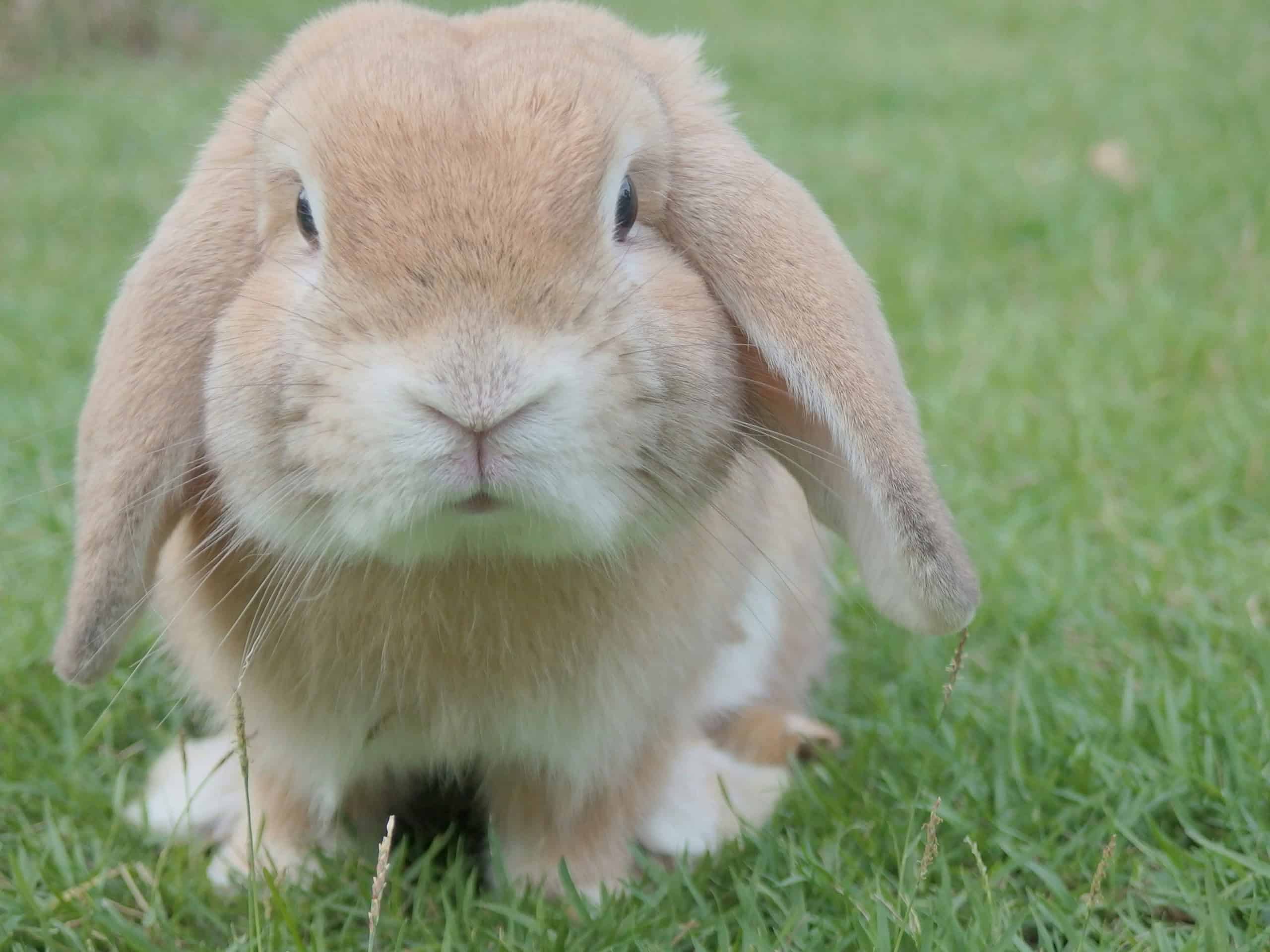
Yes, provided the setup does several specific jobs, and the risk people plan for is the wrong one. Rabbits can live outside comfortably in cold weather given dry draft-free shelter, while heat is the condition they handle badly.
That inversion is the single most useful thing to know before building anything. Our roundup of rabbit supplies covers the equipment side.
Quick Answer
Cold is manageable with insulation, deep bedding and protection from damp and draft. Heat is the real hazard, since rabbits cannot pant effectively and shed heat mainly through their ears. Add secure predator-proofing, daily checks in warm weather, and a plan for moving them somewhere cool.
Key Takeaways
- Rabbits tolerate cold far better than heat.
- Damp and draft cause the cold-weather problems, not low temperature itself.
- Shade and ventilation are summer requirements rather than refinements.
- A predator nearby is stressful even when it cannot reach the rabbit.
- Secure means a roof and mesh the animal cannot dig under.
- Warm months call for checking the rabbit’s rear every day.
- An outdoor rabbit is seen less, so illness is easier to miss.
| Risk | Why it matters outdoors | What addresses it |
|---|---|---|
| Heat | Rabbits cannot pant effectively to cool down | Deep shade, airflow, frozen bottles, a cool indoor option |
| Damp | Wet bedding removes the insulation it provides | Raised shelter, waterproof roof, dry bedding daily |
| Draft | Moving air strips warmth from a resting animal | A sheltered entrance and a closed sleeping area |
| Predators reaching in | Mesh and latches are the whole defense | Sturdy mesh, a roof, secure latches, buried or skirted edges |
| Predators nearby | Stress alone is harmful to a prey animal | Solid sides, covered hides, distance from where they patrol |
| Flies in warm weather | They lay eggs on soiled or damp fur | Daily rear checks, clean dry bedding, prompt vet contact |
| Frozen water | A rabbit without water in winter is a real problem | Check more than once a day, use bowls over bottles |
| Being unobserved | Rabbits hide illness well | A daily hands-on check, not a glance from the window |
Cold Is Not the Main Problem
Rabbits grow a thicker coat for winter and cope with low temperatures better than most owners assume. A healthy adult in suitable housing handles a cold climate.
What undoes that is water and wind. Wet bedding stops insulating, and a draft through the sleeping area removes the warm air the rabbit has generated.
So the winter requirements are specific. A waterproof roof, a raised floor off the cold ground, a sleeping compartment closed on most sides, and generous dry bedding.
Insulated shelter is the category to think in, and our roundups of outdoor winter shelters and insulated outdoor housing cover the general principles, though dry and draft-free matters more for a rabbit than heated does.
Water is the winter chore nobody anticipates. Bottles freeze readily and are harder to check, which is one reason bowls suit outdoor rabbits better.
Heat Is
This is where outdoor housing actually fails. Rabbits cannot pant effectively the way a dog does, and they dissipate heat largely through the blood vessels in their ears.
That is a limited mechanism. A rabbit in a hutch in afternoon sun has very little capacity to shed the heat it is absorbing.
Shade is therefore not a comfort feature. Deep shade across the whole enclosure through the hottest part of the day is a requirement, and shade that moves with the sun does not count.
Airflow matters equally. A closed hutch traps heat, so ventilation and a shaded open run give the rabbit somewhere better to be.
The species mechanism differs, but the general principle of planning for heat rather than reacting to it carries across, and our guide to keeping a pet safe in extreme heat covers that thinking. Our roundup of cooling mats covers one practical addition.
Predators and the Stress You Cannot See
The obvious risk is an animal getting in, and that is a construction question. Sturdy mesh rather than chicken wire, a roof, latches a clever animal cannot work, and edges buried or skirted so nothing digs underneath.
The less obvious risk is the one worth understanding. A rabbit is a prey animal, and the presence of a predator outside the run is frightening whether or not it can reach in.
Rabbits are known to suffer badly from that kind of stress, and welfare guidance treats it as a genuine harm rather than a minor discomfort.
The practical answers are solid sides at rabbit eye level, covered hides the rabbit can retreat into completely, and siting the enclosure away from where local animals move at night.
Our roundup of outdoor kennels and runs covers the secure-enclosure category.
Warm-Weather Hygiene
Flies are a warm-month problem for outdoor rabbits specifically, and the reason is simple. They lay eggs on fur that is soiled or damp, most often around the rear.
The standard advice is a daily check of the rabbit’s back end through the warm months. It takes moments and it is the single most valuable habit an outdoor rabbit owner has.
Anything found there is a same-day call to a vet rather than something to watch. That is the whole of the advice, and it is worth following exactly.
Prevention is mostly hygiene. Clean dry bedding, droppings removed daily, and attention to any rabbit with a messy rear or loose droppings, since those are what attract flies in the first place.
Overweight rabbits and those with mobility problems are harder to keep clean, which is worth knowing before summer rather than during it.
What an Outdoor Setup Has to Provide
- A dry, insulated, draft-free sleeping area. Raised off the ground with a waterproof roof.
- A permanently attached run. Not a hutch someone has to remember to open.
- Deep shade over the whole area at midday. Fixed shade, not shade that moves away.
- Genuine predator-proofing. Sturdy mesh, a roof, secure latches, protected edges.
- Water that gets checked more than once a day. Frozen in winter, warm and stale in summer.
- A plan for extreme weather. Somewhere indoors to move them during a heat wave.
- A daily hands-on check. Including the rear in warm months and weight over time.
Having an indoor option ready matters, and our roundup of indoor playpens covers the enclosure most people use for that. Our roundup of emergency supplies covers the harder version of the same question.
Honestly assessed, outdoor housing is workable and the bar is higher than a hutch on a lawn. A good number of owners who start outdoors end up bringing the rabbits in, usually after one summer.
Frequently Asked Questions
Can rabbits live outside?
Yes, given shelter that is dry, insulated and draft-free, a permanently attached run, deep fixed shade, and genuine predator-proofing. The condition to plan around is heat rather than cold, since rabbits cope well with low temperatures and poorly with high ones.
How cold is too cold for a rabbit?
Cold itself is rarely the problem for a healthy adult with a winter coat, dry bedding and shelter from wind and wet. Damp and draft are what cause harm. Young, elderly or unwell rabbits have less margin, and those are the ones to bring inside.
Why is heat worse than cold for rabbits?
Because their cooling mechanism is limited. Rabbits cannot pant effectively the way dogs do, and they shed heat largely through the blood vessels in their ears. That gives them little capacity to cope with a hot enclosure, which is why shade and airflow are requirements rather than comforts.
What makes a hutch predator proof?
Sturdy welded mesh rather than chicken wire, a solid roof, latches that a raccoon or fox cannot manipulate, and edges buried or skirted so nothing digs underneath. Solid sides at rabbit eye level help too, because seeing a predator is itself harmful.
Do I need to check my outdoor rabbit every day?
Yes, and hands-on rather than through a window. Rabbits conceal illness well, and an outdoor rabbit is simply observed less. Through warm months that check should include the rabbit’s rear, since flies lay eggs on soiled or damp fur there.
Is an outdoor rabbit lonelier?
Usually, and it compounds. An outdoor rabbit gets less incidental human contact than one living in the house, which makes having a compatible rabbit companion more important rather than less. Social contact is a need for the species either way.
What about water in winter?
It freezes, and a rabbit without water is a real problem rather than an inconvenience. Check more than once a day in freezing weather. Bowls work better than bottles outdoors, since bottles freeze at the spout and it is harder to tell whether the rabbit can drink.
Should I move my rabbit indoors for summer?
Having the option ready is sensible even if you do not use it routinely. During a heat wave, moving a rabbit to the coolest part of the house is the most reliable intervention available. Any rabbit showing distress in heat needs a vet rather than a wait.
