
Extreme heat is a different problem from a warm summer day. The ground becomes the immediate danger, the margin for error shrinks, and the correct answer is often not going out rather than going out better prepared.
The three decisions that matter are timing, surface, and whether the trip happens at all. Gear helps at the edges and none of it makes a dangerous surface safe or a dangerous hour survivable.
A Quick Note
This article covers prevention rather than treatment. Heatstroke is a medical emergency: heavy panting that will not settle, drooling, vomiting, weakness, collapse, or gums that look bright red or pale need immediate veterinary care. Flat-faced breeds, seniors, puppies, and overweight dogs have considerably less margin.
Quick Answer
Walk early or after dark, test the ground with the back of your hand before you commit, and skip the trip entirely when conditions are bad rather than shortening it. Keep water available, watch for panting and reluctance to continue, and know that a dog’s enthusiasm tells you nothing about safety.
Key Points
- Ground temperature is the immediate risk, air temperature is the slower one
- Surfaces stay hot for hours after the sun moves off them
- Skipping a trip and shortening one are different decisions
- Enthusiasm to go out is not a safety signal
- Panting and wanting to turn back are the signs to act on
- Cooling gear reduces heat load and does not make hot ground safe
The Decisions in Order
| Decision | Options | When it applies |
|---|---|---|
| Whether to go | Go, delay, or skip | Conditions bad at that hour |
| When | Early morning, after dark | Every trip in summer |
| Route | Grass, shade, shortest path | Once committed to going |
| Crossing hot ground | Carry, booties, avoid | Any hot surface en route |
| Duration | Full route or shortened | Marginal rather than extreme days |
| Water | Carry or not | Anything beyond a few minutes |
Test the Ground, Not the Forecast
Asphalt in direct sun reaches temperatures that burn paw pads on days that feel manageable in shoes. Air temperature is a poor proxy and the surface is what your dog walks on.
Press the back of your hand flat against it and hold. If you cannot keep it there comfortably for several seconds, it is too hot. The back of the hand matters because palms are calloused and less sensitive.
Surfaces also lag the day, staying hot well into the evening after baking all afternoon. That mechanism sits in telling whether pavement is too hot.
How I Handle Arizona Summers
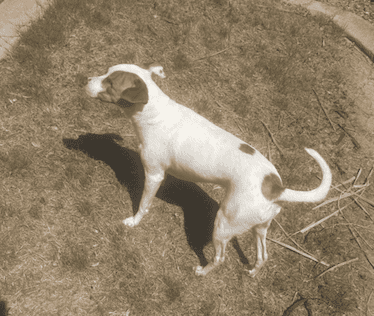
The floor immediately outside my apartment is made not to hold heat, so that stretch is fine. Between there and the field there is pavement, and during midday I carry her across it and put her down on the grass.
If the weather is looking bad I will not go at that time. I shift it or shorten the route instead, and that decision gets made looking at conditions rather than at a number.
What I watch for in her is panting and wanting to turn back. Those two are the signals I act on, and they have been reliable enough that I have not needed anything more sophisticated.
She is always excited to go out, in any conditions. That is exactly why her enthusiasm is not part of the decision, and it is the thing I would tell anyone in a hot climate.
I try to carry water if it is a long walk. On the short trips it has not been necessary, and the distinction between those two is worth making rather than treating every outing the same.
One honest correction: I own a cooling towel and I use it as a towel when she swims in the pool rather than as a cooling device. That is what it actually gets used for, and I would not claim otherwise.
My experience covers one small dog in a dry desert climate on short predictable routes. It does not cover humid heat, where dogs cool far less effectively, large dogs who cannot be carried, or flat-faced breeds, where the margin is much smaller.
Timing Does the Most Work
Early morning is safest, since surfaces have had all night to release heat and air temperature is at its lowest point.
After dark is second and needs more care than people assume. Ground that absorbed sun all afternoon can still be too hot at nine in the evening, and darkness removes the visual cue that it was a sunny day. Gear for that sits in walking a dog at night.
Midday is the window to work around. Where a trip is unavoidable, keeping it short and staying on grass covers most of the risk, and the broader approach sits in walking a dog in hot weather.
Crossing Hot Ground
Carrying
Works for small dogs over short stretches and avoids needing footwear at all. Limited entirely by size and distance.
Booties
The answer for larger dogs or routes that are mostly pavement. Introduce them indoors on a cool day rather than on a hot one, and options sit in booties for hot pavement.
Route selection
Grass, shaded paths, and dirt all stay close to air temperature. A longer route on grass beats a direct one on asphalt.
Timing around it
The cheapest option, since a surface dangerous at two is fine at six. Shifting a trip removes the problem rather than managing it.
Shortening Against Skipping
These suit different conditions and treating them as the same decision is the common mistake.
Shortening suits marginal days. Conditions are warm rather than dangerous, the dog needs out, and a brief trip on grass covers the need.
Skipping suits genuinely bad conditions. A shorter version of an unsafe trip is still unsafe, and delaying an hour or two is better than compressing it. Dogs can wait longer than most owners think, and the full case sits in going out in extreme heat.
Managing Heat Indoors
Dogs find airflow before they find cold surfaces, so a fan or a vent matters more than a lower thermostat setting. Watching where yours settles tells you where their bed should go, covered in keeping a dog comfortable in a hot apartment.
Hard floors conduct heat away from a lying dog, and cooling mats provide that where a home is fully carpeted. Options sit in cooling mats and elevated beds with airflow underneath.
Plush beds trap heat, which is why a dog who loves theirs in winter may abandon it in July. The wider indoor and outdoor picture sits in keeping a dog cool in summer.
Water and Cooling Gear
Water matters once trips extend beyond a few minutes, and a bottle designed for dogs makes it practical to carry. Options sit in water bottles for walks.
Cooling vests, bandanas, and towels reduce heat load and none of them address ground temperature. Treating them as permission to walk at midday is the error. Options sit in cooling vests, cooling collars and bandanas, and cooling towels.
Water play is a genuine cooling option where it is available, and a shallow pool suits dogs who take to it. Options sit in dog pools, and the wider hot-climate kit sits in gear for hot climates.
Signs to Act On
Panting that increases and does not settle, slowing down, and wanting to turn back are the early signals. Those mean ending the trip rather than pushing through.
Escalation looks like heavy drooling, unsteadiness, bright red or pale gums, vomiting, or collapse. Those are emergencies and need a vet immediately rather than home cooling, and the full list sits in heatstroke signs in dogs.
Paw damage often appears hours later. Limping, licking at the feet, or visible redness on the pads after a walk all warrant attention even if the dog seemed fine at the time.
Manageable Against Do Not Go
Manageable looks like early morning or after dark, ground that passes the hand test, a route with grass or shade, and water available. That covers most summer days with planning.
Do not go looks like midday in full sun, pavement you cannot hold your hand against, no shaded route, or a dog who is flat-faced, elderly, very young, or overweight. Delaying is correct on those days, and a shorter version of the same trip is not.
Related Reading
- checking the surface
- the decision to go or skip
- what to watch for
- summer management
- the full kit
- indoor heat
Frequently Asked Questions
What temperature is too hot to walk a dog?
There is no reliable air temperature threshold, because asphalt in sun runs far hotter than the air. Test the actual surface with the back of your hand rather than checking a forecast.
How do I know if my dog is too hot on a walk?
Panting that increases and will not settle, slowing down, and wanting to turn back are the early signs. Those mean ending the trip rather than continuing more carefully.
Is it better to shorten a walk or skip it?
Shorten on marginal days and skip on genuinely bad ones. A shorter version of an unsafe trip is still unsafe, and delaying an hour or two removes the problem.
Do cooling vests and towels make hot walks safe?
They reduce heat load and do nothing about ground temperature. Treating them as permission to walk at midday is the mistake, since paw burns and body heat are separate problems.
My dog wants to go out, so is it fine?
No. Dogs want to go out regardless of conditions, and enthusiasm reflects routine rather than an assessment of safety. It is the most common reason people go out on days they should not.
Should I carry water on every walk?
On anything beyond a few minutes, yes. Short trips close to home matter less, and the distinction is worth making rather than treating every outing identically.
When should I see a vet?
Immediately for heavy panting that will not settle, drooling, vomiting, weakness, collapse, or gums that look bright red or pale. Also for limping or licking at the feet after a walk, which can indicate burned pads.
Hot climate gear supports the decisions. gear for hot conditions covers what to carry.
