
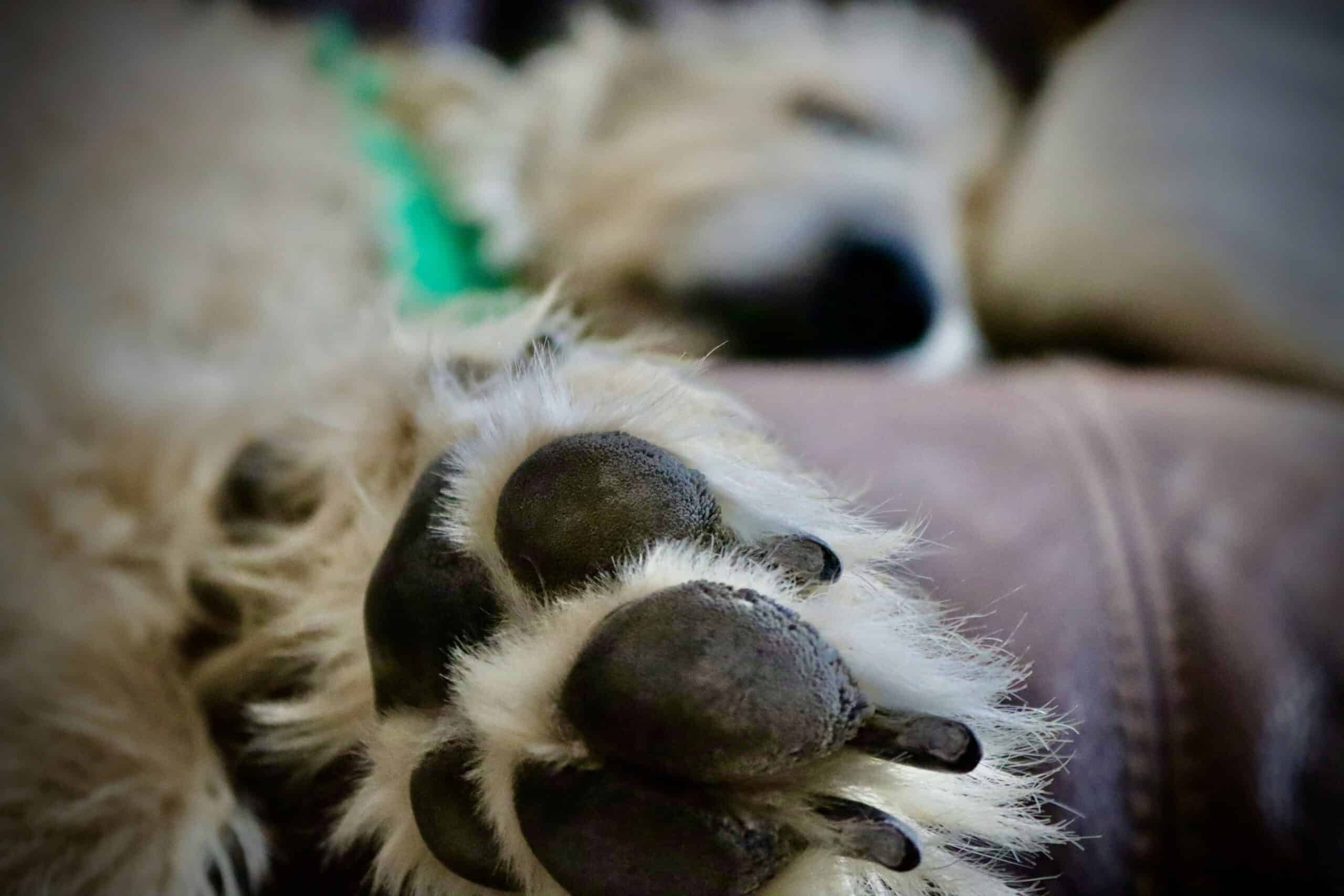
The best dog scratch pads for nails let a dog file its own front nails by scratching an emery-coated board, offering a low-stress alternative for dogs that hate clippers or grinders. A scratch pad works with a dog’s natural scratching motion, so nervous dogs can take part in their own nail care instead of being restrained. It fits alongside the rest of your at-home nail toolkit, complementing manual nail files and clippers rather than replacing them. Here are the scratch pad styles worth considering and the honest limits of what they do.
Quick Verdict
A good dog nail scratch pad has a durable emery surface, a stable non-slip base, and a design your dog can reach comfortably. It is best for filing front nails on clipper-averse dogs, and it pairs well with treats to build the habit. Remember that most dogs only file their front nails this way, so rear nails still need a clipper or grinder.
Why Trust This Guide
Independent picks, reader-supported through affiliate links at no cost to you. Selections focus on real usability for at-home nail care: surface durability, stability, and honest expectations about what a scratch pad can and cannot do. Recommendations are based on practical use, not hype.
Key Takeaways
- Scratch pads let dogs file their own front nails, reducing stress.
- A stable, non-slip base makes the board usable and safe.
- They mainly work for front nails; rear nails still need clippers.
- Treats and short sessions build the scratching habit.
- Replaceable emery surfaces extend the pad’s life.
How We Picked These Scratch Pads
We looked at surface grit and durability, base stability, and design, since those decide whether a dog will use the pad and how well it files. A scratch pad relies on a dog dragging its nails across an emery or sandpaper-like surface, so the grit needs to be coarse enough to file but not so rough it bothers the paw, and the board needs to stay put. The point most product listings gloss over: dogs naturally scratch with their front paws, so a scratch pad files front nails well but does little for the rear ones, which still need a clipper or grinder. Picks below cover the main designs.
Flat Emery Scratch Pad
Why It Stands Out
A flat emery scratch pad is the simplest design, a board topped with a gritty filing surface that a dog scratches on a floor or low surface. Its simplicity makes it inexpensive and easy to introduce, and it stores flat.
Worth Knowing
Without an angle, some dogs file less effectively, and the board can slide unless it has a grippy underside. Look for one with a non-slip base or the option to hold or brace it.
This is for the owner wanting an affordable, no-frills way to try scratch-pad filing. Someone testing whether their dog will take to the concept gets a low-cost entry point. Skip a plain flat pad if your dog needs an angled surface to reach its nails naturally, where a ramp design works better.
Check Price on AmazonAngled Scratch Board
Why It Stands Out
An angled or ramp-style scratch board tilts the filing surface so a dog’s front nails meet it at a natural scratching angle, which often improves filing and comfort. The incline mimics how a dog would dig, making the motion intuitive.
Worth Knowing
The angle can take up more space and may need a wall or your body to brace against. A stable, weighted, or wall-leaning design keeps it from sliding as the dog scratches.
This suits the owner who wants the most effective everyday scratch board and has room for it. Someone whose dog scratches enthusiastically benefits from the better angle. Skip an angled board if you need something ultra-compact or travel-friendly, where a flat or foldable pad packs smaller.
Check Price on AmazonScratch Board With Treat Well
Why It Stands Out
A scratch board with a built-in treat or lick well gives the dog a reason to keep its paws on the board, spreading peanut butter or paste in a pocket so the dog licks while scratching. This built-in motivation makes training the behavior much easier.
Worth Knowing
The treat well needs cleaning to stay hygienic, and messy spreads can get on paws and floors. Use a thin layer and wipe it down between sessions.
This is for the owner training a hesitant dog or one that needs encouragement to engage. Someone whose dog will not otherwise scratch on cue gets the most from it. Skip the treat well if your dog already files willingly or if you would rather avoid the cleanup.
Check Price on AmazonNon-Slip Weighted Scratch Board
Why It Stands Out
A non-slip or weighted scratch board stays firmly in place under an enthusiastic or larger dog, so the board does not skid away mid-scratch. Stability is what makes a scratch pad usable, and a heavier base or strong grip pads deliver it.
Worth Knowing
Heavier boards are less portable, and the base grip works best on hard floors rather than thick carpet. Check that the weight suits your dog’s size and energy.
This suits the owner of a bigger or high-energy dog that would push a lightweight pad around. Someone whose dog scratches hard benefits most from the stability. Skip a heavy board if you have a tiny dog or need something you can pick up and move often.
Check Price on AmazonCurved Multi-Surface Scratch Pad
Why It Stands Out
A curved or multi-surface scratch pad wraps the filing surface around a contour so a dog can file more of each nail, and some designs let a dog reach a wider range of nails. The shape aims to file more completely than a single flat plane.
Worth Knowing
More complex shapes cost more and can be harder for some dogs to learn. As with any pad, it mainly addresses front nails, so temper expectations about the rear ones.
This is for the owner wanting a more thorough front-nail file than a basic flat pad. Someone whose dog files readily and wants better coverage benefits. Skip a curved design if simplicity and low cost matter more, where a flat or angled board suffices.
Check Price on AmazonFoldable Travel Scratch Pad
Why It Stands Out
A foldable or portable scratch pad packs down for travel and small homes, letting you keep up nail care on the road or store it out of the way. It brings the file-it-yourself approach anywhere.
Worth Knowing
Folding designs can be less rigid, so stability may suffer compared with a solid board, and the surface area is often smaller. Check that it stays flat and grippy in use.
This suits the owner who travels with a dog or has limited storage space. Someone in an apartment or on frequent trips gets the convenience. Skip a foldable pad if you want maximum stability and filing area at home, where a solid weighted board is better.
Check Price on AmazonDog Scratch Pads at a Glance
| Type | Strength | Best for |
|---|---|---|
| Flat emery pad | Simple, affordable | Trying the concept |
| Angled board | Natural filing angle | Everyday effectiveness |
| Treat-well board | Built-in motivation | Training hesitant dogs |
| Weighted board | Stays in place | Larger, energetic dogs |
| Curved pad | Fuller front-nail file | Willing filers |
| Foldable pad | Portable | Travel, small spaces |
How to Choose a Dog Scratch Pad
Prioritize a stable base
A board that slides is a board your dog will not use. Choose a non-slip or weighted design suited to your dog’s size and how hard it scratches.
Match the surface grit
The emery surface should be coarse enough to file nails but not so harsh it irritates the paw. Replaceable surfaces are a plus, since the grit wears down with use.
Consider a treat well for training
If your dog is reluctant, a board with a treat or lick well gives it a reason to keep scratching. This makes teaching the behavior far easier.
Set realistic expectations
A scratch pad mainly files front nails, since dogs scratch with their front paws. Plan to keep a clipper or grinder on hand for the rear nails and dewclaws.
Scratch Pad vs Nail Grinder
When a scratch pad wins
A scratch pad is ideal for dogs that fear the noise and vibration of a grinder or the pinch of clippers, letting them file their own front nails calmly. For a stress-free, dog-led routine, it is the gentler option.
When a grinder wins
A nail grinder gives you control over every nail, front and rear, and can smooth and shorten more precisely and completely. If you need to manage all four paws or shorten nails significantly, a grinder or clipper does the fuller job.
How to Introduce a Scratch Board
Getting a dog comfortable with a scratch board takes a little patience and a lot of rewards. Start by letting the dog sniff and touch the board with no pressure, marking and treating any interaction. Once the dog paws at it, reward that motion, then shape it into a scratching drag by rewarding longer contact. A board with a treat well speeds this up, since the dog naturally digs and licks at the same time. Keep sessions to a couple of minutes, end on a good note, and file only a little at a time so the experience stays positive. Within a week or two, most dogs will scratch on cue, turning nail care into a game rather than a battle.
Common Scratch Pad Mistakes to Avoid
Expecting it to do the rear nails
Dogs scratch with their front paws, so a pad rarely files the back nails. Keep a clipper or grinder for those and the dewclaws.
Skipping the training
Most dogs need to be taught to scratch on cue with treats and short sessions. Rushing or forcing it can sour the dog on the board.
Using an unstable board
A sliding pad frustrates the dog and can feel unsafe. Make sure it grips the floor or is braced before starting.
Letting the grit wear out
A worn, smooth surface stops filing. Replace the emery surface or the pad when it loses its bite.
Recommended Reading
- trimming dog nails at home, for the full routine.
- dog nail grinders, for controlled shortening of all nails.
- dog nail clippers, still needed for rear nails.
- clippers vs grinder, to pick your main tool.
Dog Scratch Pad FAQ
Do dog nail scratch pads actually work?
Yes, for filing front nails, they work well once a dog learns to scratch the surface. They file gradually rather than dramatically shortening nails, so they suit maintenance and clipper-averse dogs, but they do not replace clippers for the rear nails.
How do I train my dog to use a scratch pad?
Start with treats, reward any pawing at the board, and build up in short, positive sessions. A board with a treat well helps, since the dog scratches while licking. Keep sessions brief and upbeat so the dog associates the pad with good things.
Can a scratch pad file all four paws?
Usually not. Dogs scratch with their front paws, so a pad files the front nails but rarely the rear ones. Plan to use a clipper or grinder for the back nails and dewclaws.
Are scratch pads safe for my dog’s nails?
They are gentle when used in moderation, since the dog controls the pressure. Watch that your dog does not over-scratch a single nail, and check paws for any irritation, especially early on.
How often should my dog use a scratch pad?
A few short sessions a week generally keeps front nails in check, though it depends on how fast your dog’s nails grow and how vigorously it scratches. Regular light sessions beat occasional long ones.
Is a scratch pad good for dogs afraid of nail trims?
Yes, it is one of the better options for fearful dogs, because the dog controls the motion and pressure instead of being restrained. Paired with treats and patience, it lets an anxious dog take part in its own nail care, though you may still need a clipper or grinder for the rear nails.
When should I replace the scratch surface?
Replace the emery surface or the pad when it feels smooth and stops filing effectively. A worn grit does little, so refreshing it keeps the board working.
Part of our full guide: the complete guide to grooming a dog at home.
