
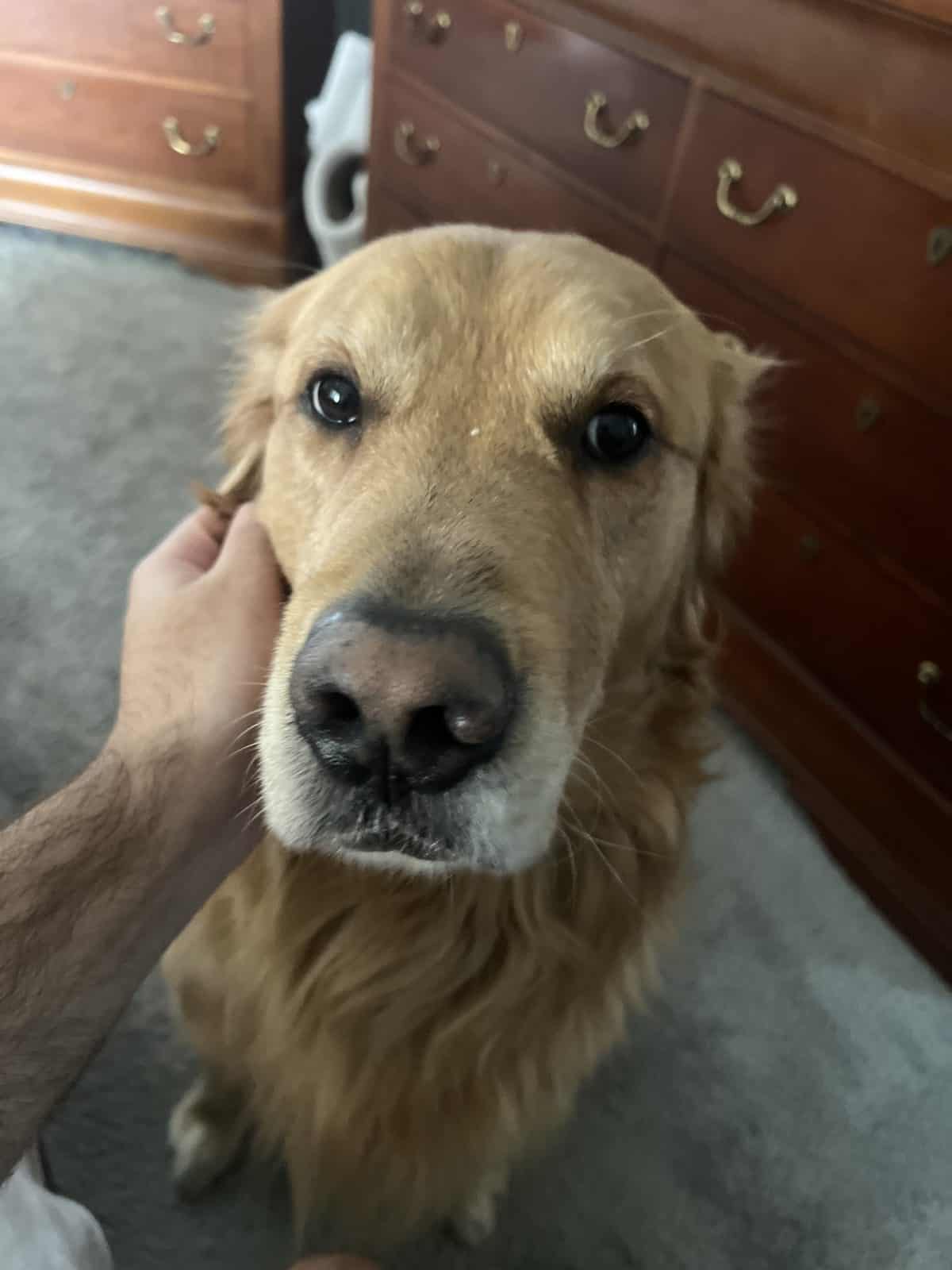
To find a food intolerance in dogs, watch for digestive signs like diarrhea, gas, or vomiting that show up within hours of eating a particular food, keep a record of everything your dog eats, and work with your veterinarian on an elimination diet to confirm the trigger. Learning how to find a food intolerance in your dog is mostly detective work: connecting a specific food to a repeatable reaction, then verifying it properly. If your dog has ongoing tummy troubles, it is worth reviewing their diet and reading up on food for sensitive stomachs alongside your vet’s advice. This is general information, not veterinary advice, and a vet should guide any diagnosis.
Quick Verdict
A food intolerance usually shows up as digestive upset, loose stools, gas, or vomiting, within hours of eating a trigger food. The reliable way to identify it is a vet-guided elimination diet, not guesswork or blood tests. Dairy is one of the most common culprits because many dogs cannot digest lactose well. See your veterinarian to confirm the cause and rule out anything more serious.
Please Read First
This article is general information, not veterinary advice. Recurring digestive problems can have many causes, some of them serious, so any elimination diet or diagnosis should be done with your veterinarian, who can keep the diet balanced and rule out other conditions. If your dog is very unwell, see a vet promptly.
Key Takeaways
- Intolerance signs are digestive and appear within hours of eating.
- A vet-guided elimination diet is the reliable way to confirm the trigger.
- Dairy is a common culprit, since many dogs digest lactose poorly.
- Persistent itching points more to an allergy than an intolerance.
- Blood tests are unreliable for diagnosing food reactions.
How to Identify a Food Intolerance Step by Step
This is the general process vets use, adapted so you know what to watch for and when to get help.
- Track the symptoms. Note what the signs are (diarrhea, gas, vomiting), how severe they are, and how soon they appear after eating.
- Log everything your dog eats. Record meals, treats, chews, table scraps, and flavored medications, since any of these can be the trigger.
- Look for a pattern. See whether the reaction consistently follows a specific food or ingredient.
- See your veterinarian. Share your food log and symptom notes so they can rule out other causes and plan a proper trial.
- Run a vet-guided elimination diet. Feed a limited-ingredient or novel-protein diet for the period your vet advises, with no other foods, then reintroduce foods to confirm the trigger.
What Is a Food Intolerance in Dogs?
A food intolerance is a digestive problem, not an immune reaction. It happens when a dog’s gut cannot properly break down a particular ingredient, which leads to symptoms like loose stools, gas, and vomiting.1 This is different from a food allergy, where the immune system reacts to a food component. Intolerance is actually the broadest and most accurate term for the many adverse food reactions in dogs that do not involve the immune system.1 The practical upshot is that an intolerance tends to cause digestive upset rather than the skin problems more typical of allergies.
What Are the Signs of Food Intolerance in Dogs?
The signs are mostly digestive and tend to appear fairly quickly after eating the offending food, often within hours. Common signs include diarrhea, loose stools, gas and bloating, and sometimes vomiting. Because these symptoms overlap with many other issues, from dietary indiscretion to infections, the timing and consistency matter: a reaction that reliably follows a particular food is the clue worth chasing. Signs that persist or recur without an obvious cause are a reason to involve your vet rather than keep guessing.
Food Intolerance vs Food Allergy
These two are often confused because their symptoms overlap, but they work differently, and telling them apart shapes how they are managed.
| Food intolerance | Food allergy | |
|---|---|---|
| Mechanism | Digestive, not immune | Immune system reaction |
| Main signs | Diarrhea, gas, vomiting | Itchy skin, ear issues, sometimes GI |
| Timing | Often within hours | Builds with repeated exposure |
| Telling sign | Digestive upset after a food | Persistent itchiness |
A true food allergy is diagnosed with a strict elimination trial, since the immune response builds over time rather than tying to a single meal.2 If your dog’s main problem is persistent itching or recurrent ear trouble, that points more toward an allergy, and your vet should be involved.
How Do You Find the Trigger Food?
The gold-standard method is an elimination diet done under veterinary guidance. Your dog is fed a limited-ingredient or novel-protein diet, one with proteins they have not eaten before, or a hydrolyzed veterinary diet, for a set period, commonly eight to twelve weeks, with no other foods, treats, chews, or flavored medications allowed.3 If the symptoms clear up, foods are reintroduced one at a time to see which one brings the reaction back. This works, but it has to be done carefully: your vet keeps the diet nutritionally balanced and helps rule out other causes, which is why it is not a good do-it-yourself project. Blood tests, by contrast, are generally unreliable for diagnosing food reactions and are more useful for ruling out other problems.
Why Dairy Is a Common Culprit
Dairy is one of the most frequent triggers, and there is a simple reason. Puppies produce the enzyme lactase to digest their mother’s milk, but lactase levels drop after weaning, so many adult dogs cannot digest the lactose in milk, cheese, yogurt, and ice cream well.1 The result is the classic lactose-intolerance picture: diarrhea, gas, and belly discomfort after a dairy treat.
A dog in my family is a clear example. My sister’s dog, Finn, cannot handle dairy in any form, and we found out the hard way. A pup cup, that little cup of whipped topping some places hand out, left him with diarrhea, and we came to realize any dairy does the same, whether it is cheese, ice cream, or that pup cup. He bounces back fine each time, but it never settles well with him, which is exactly how lactose intolerance tends to look. To be clear, that is what we observed with one dog, not a diagnosis; a vet is the right person to confirm what is going on with any individual dog.
When Should You See a Vet?
See your veterinarian if your dog has recurring or persistent diarrhea, vomiting, or bloating, if the symptoms are severe, or if you notice ongoing itchiness that might signal an allergy instead. A vet can rule out infections, parasites, and other conditions that mimic a food intolerance, and can design a safe elimination trial if one is warranted. Food intolerances are usually not life-threatening, but ongoing digestive upset is uncomfortable for your dog and worth solving properly rather than managing by trial and error at home.
Common Mistakes to Avoid
Assuming it is a food intolerance
Digestive upset has many causes, some serious. Do not settle on food as the answer before a vet has ruled out infections, parasites, and other conditions.
Running an elimination diet without a vet
A do-it-yourself trial can leave the diet unbalanced and can miss a more serious cause. Let your vet design and supervise the trial so it is both safe and accurate.
Forgetting treats and flavored medications
A trial only works if nothing else sneaks in. Treats, chews, table scraps, and flavored medicines can all carry the trigger and ruin the results.
Relying on blood tests
Blood tests for food reactions are prone to false results and are not a reliable way to diagnose an intolerance. The elimination diet remains the dependable method.
Recommended Reading
- transition foods slowly, during an elimination diet.
- food for sensitive stomachs, for gentler everyday options.
- food for dogs with allergies, when an allergy is suspected.
- choosing the right dog food, for matching diet to your dog.
- probiotics for digestive support, which can ease symptoms but do not cure intolerance.
Dog Food Intolerance FAQ
What is the difference between a food intolerance and a food allergy in dogs?
An intolerance is a digestive problem where the gut cannot break down an ingredient, causing signs like diarrhea and gas, usually within hours. An allergy is an immune reaction that often shows as persistent itching and builds with repeated exposure. Your vet can help tell them apart.
Can dogs be lactose intolerant?
Yes. Many adult dogs produce less of the enzyme lactase after weaning, so they struggle to digest the lactose in milk, cheese, yogurt, and ice cream. Dairy treats can then cause diarrhea, gas, and stomach upset, which is a very common form of intolerance.
How long does an elimination diet take?
Vets commonly run an elimination trial for about eight to twelve weeks, feeding a limited-ingredient or novel-protein diet with nothing else, then reintroducing foods. It takes patience and strict consistency, which is part of why veterinary guidance helps so much.
What foods most commonly cause intolerance in dogs?
Dairy is a frequent trigger because of lactose, and certain proteins and additives can cause reactions too. Because triggers vary by dog, the reliable way to pinpoint yours is a supervised elimination diet rather than assuming a particular ingredient.
Can I diagnose a food intolerance at home?
You can gather valuable clues at home by logging foods and symptoms, but a reliable diagnosis needs your vet. They rule out other causes and supervise an elimination diet so it stays balanced and accurate, which is not something to attempt alone.
Are food intolerances in dogs dangerous?
They are usually not life-threatening, but ongoing digestive upset is uncomfortable and can point to other issues. Because chronic diarrhea or vomiting can have serious causes, persistent symptoms should always be checked by a vet rather than assumed to be a simple intolerance.
Do probiotics cure food intolerance?
No. Probiotics can support the gut and ease some digestive symptoms, but they do not eliminate an intolerance to a specific ingredient. Identifying and avoiding the trigger food remains the real solution.
When should I take my dog to the vet for digestive problems?
See a vet for recurring or severe diarrhea, vomiting, or bloating, for ongoing itchiness, or any time you are unsure. A professional can rule out other conditions and design a safe plan, which is safer and faster than guessing at home.
Sources
- VCA Animal Hospitals. Adverse Reactions to Food in Dogs.
- VCA Animal Hospitals. Food Allergies in Dogs.
- dvm360. Identifying Food Allergies: The Veterinary Elimination Diet Trial.
