
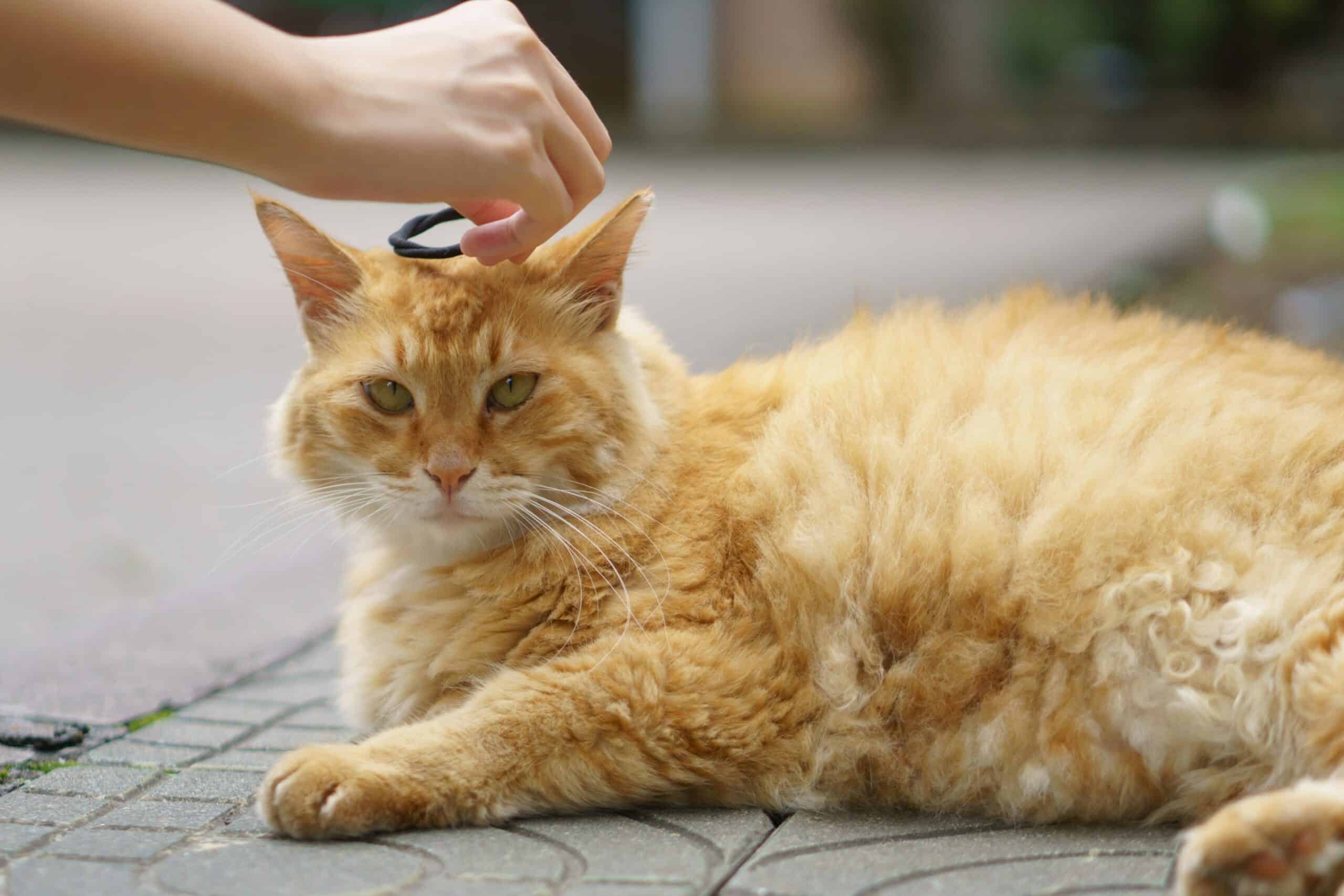
Short haired cats generally do fine with a brushing once or twice a week, while long haired cats usually need it daily or close to it, because their coat mats faster than they can manage alone. That split answers how often should you brush your cat in most homes. Density, season, age, and mobility then adjust the number.
Coat care is less about the perfect tool and more about a rhythm the cat accepts. This walkthrough of cat grooming basics covers the wider routine that a brushing schedule fits into.
Quick Answer
Brush a short coated cat once or twice a week, a medium coat two or three times a week, and a long coat daily. Increase frequency during spring and fall shedding. Cats that cannot groom themselves well, including seniors, arthritic cats, and overweight cats, need daily help whatever their coat length.
A Quick Note
This is general grooming guidance, and cats vary in coat type, skin sensitivity, and tolerance. A veterinarian should guide anything health related, including sudden coat changes, sore spots, or a cat that stops grooming itself.
Key Points
- Coat length sets the baseline. Coat density adjusts it upward.
- Mats are not untidy fur. They tighten against the skin and turn painful.
- Shedding season is a temporary increase, not a new normal.
- Fur removed by a brush is fur the cat does not swallow.
- Any cat that cannot reach its own back needs daily help.
- Short frequent sessions beat long occasional ones.
Typical brushing frequency by coat type and situation.
| Coat type | How often to brush | What happens if you skip it |
|---|---|---|
| Short single coat | Once a week | Loose fur spreads to furniture and clothing. Mats stay unlikely. |
| Short dense double coat | Twice a week, more in spring and fall | The undercoat packs down near the skin. Felted patches form behind the legs. |
| Medium coat | Two or three times a week | Tangles start behind the ears and along the collar line. |
| Long coat | Daily or close to daily | Mats can form within days. The belly, armpits, and rear go first. |
| Senior or arthritic cat | Daily gentle sessions, whatever the coat length | Fur clumps wherever the cat can no longer twist to reach. |
| Overweight cat | Daily gentle sessions across the back and rear | The lower back and tail base mat first. Those spots stay out of reach. |
| Any cat in a heavy seasonal shed | Daily, in short passes | Shed coat has nowhere to go. Hairballs and household fur both climb. |
Why Coat Length and Density Set the Schedule
Coat length decides how far a shed hair travels before it works loose. On a short coat it falls away or brushes off. On a long coat it stays caught among the strands around it and starts to twist.
Density matters just as much. A thick undercoat sheds a soft layer that clings instead of falling, so a dense short coat can need more attention than a fine medium coat. Long coats also need a tool that reaches full depth, which is why this guide to brushes made for long haired cats is worth a look before buying.
What a Mat Is and What to Do When You Find One
A mat is shed fur tangled with growing fur and tightened into a knot against the skin. It starts soft and firms up as the cat moves. Then it pulls on skin with every stretch, which is why mats stop being cosmetic.
Mats form where fur rubs against fur or against a surface. The armpits, the belly, behind the ears, and the area around the tail base are the usual sites. Skin under a firm mat can turn red or damp, and cats often guard the spot and flinch when it is touched.
Do not brush a firm mat out. Work the edges with your fingers, hold the base so the pull never reaches skin, and stop when the cat objects. Water makes it worse, since wet fur tightens, so sort tangles before you consider whether cats need a bath at all.
Shedding Season, Hairballs, and Why Frequency Goes Up
Most cats shed heavily twice a year, usually in spring and fall, as the coat responds to light and temperature. Indoor cats often shed at a lower level all year instead. During a heavy shed, raise the frequency rather than the session length.
A short daily pass removes shed coat while it is still loose and easy to lift. A single weekly session lets the same fur sit long enough to knot. Two or three minutes a day through a shed usually costs less time overall than untangling later.
Hairballs connect straight to that timing. A cat grooming itself swallows most of the loose fur it lifts, and heavy shedding sends far more fur down. Brushing intercepts that fur first, though it will never remove hairballs completely.
Cats That Cannot Groom Themselves Need Daily Help
Some cats need daily brushing for reasons unrelated to coat length. Self grooming takes flexibility, so a cat that cannot twist and reach quietly stops maintaining part of its coat. Senior and arthritic cats lose that reach first at the lower back, tail base, and hind legs.
Overweight cats hit the same wall for a different reason, because body shape blocks the turn entirely. Guidance on caring for an older cat at home shows where grooming fits alongside the rest. A cat that used to groom well and suddenly stops deserves a veterinary check.
Brushing and Deshedding Are Different Jobs
Brushing separates strands and lifts debris before tangles form. Deshedding pulls dead undercoat out from below the top layer. Both matter, but treating them as one task leads to the wrong tool on the wrong coat.
A comb or pin brush handles most days. A deshedding tool earns its place during a heavy shed on a dense coat, and used daily on thin fur it can irritate skin. Texture preference counts too, and some cats accept grooming gloves and deshedding tools when they refuse bristles.
Short Sessions Build Tolerance and Keep the Schedule Realistic
A cat that dislikes brushing often dislikes the length of the session. Two calm minutes daily builds more tolerance than fifteen strained minutes once a week. Stopping while the cat is still relaxed teaches it that brushing ends well.
Start with the cheeks, chin, and spine, then work toward the belly and rear later. Flinching in one spot can mean discomfort, so the reasons a cat refuses to be brushed are worth sorting out first. A schedule tied to an existing evening habit actually happens.
What a Brushing Schedule Cannot Tell You
A frequency chart is a starting point, not a diagnosis. Coat condition shifts with diet, hydration, age, stress, and health, so two cats with similar coats can need different routines. Watch the coat in front of you rather than the chart.
Sudden change is the signal that matters. A coat that turns greasy, brittle, or patchy quickly is a health question, and so is a cat grooming far more or far less than usual. Over-brushing cuts the other way, since repeated hard strokes can leave skin red and tender.
What Trips People Up
Brushing only the top layer
Surface strokes make a coat look finished while shed undercoat packs down near the skin. Part the fur in a few places and check that the comb reaches the base.
Waiting until mats appear
A visible knot has usually been forming for days. Short regular passes prevent mats far more easily than any tool removes them.
Treating one long session as a substitute
A weekly marathon frustrates most cats and skips the days when the fur was still loose. Frequency does the work here, not duration.
Using a deshedding tool on a tangle
Deshedding tools pull dead undercoat and do little for a knot that has already tightened. Tangles need a comb, fingers, and patience.
Recommended Reading
Fur that never reaches a brush ends up on furniture, so a roundup of lint rollers and fabric shavers for cat hair pairs well with shedding season. For the rare wash a coat genuinely needs, these cat safe shampoo picks cover sensitive skin and dander.
Frequently Asked Questions
How often should you brush your cat if the coat is short?
Once a week suits most short single coats, and twice a week suits a short but dense double coat. The aim is removing loose fur before the cat swallows it or spreads it around the house. Raise the frequency during a heavy seasonal shed, then return to the normal rhythm.
Is daily brushing too much for a cat?
Daily brushing suits long coats, dense coats in shedding season, and any cat that cannot groom itself well. Pressure and tool choice matter more than frequency here. Light passes with a suitable comb are fine every day, while hard strokes with an aggressive deshedder can irritate skin.
Can brushing stop hairballs completely?
Brushing reduces the loose fur a cat swallows, which usually means fewer hairballs. It cannot stop them entirely, because self grooming always takes in some fur. A cat with frequent hairballs, repeated retching, or a poor appetite needs a veterinary opinion rather than a heavier grooming schedule.
What is the best time of day to brush a cat?
The best time is whenever the cat is already calm, which for many cats means after a meal or during a quiet evening. Consistency matters more than the clock. Attaching the session to something that already happens daily makes the habit likely to survive a busy week.
Do indoor cats need less brushing than outdoor cats?
Indoor cats often shed at a steady low level all year instead of in two sharp bursts, so the weekly need stays similar. Cats that go outside pick up debris and burrs, which add tangles. Coat length and density still set the schedule more than lifestyle does.
How long should one brushing session last?
Two to five minutes is plenty for most cats, and a short session can be repeated later the same day. Ending while the cat is still relaxed protects the routine. A cat that walks away has said enough, and pushing for another minute usually costs tolerance next time.
When should you talk to a veterinarian about your cat’s coat?
Call a veterinarian if the coat changes quickly, if bald patches or sores appear, or if skin looks red, flaky, or damp under a mat. A cat that suddenly grooms much more or much less also needs checking, since pain and illness show up that way. Firm mats are often best removed professionally.
