
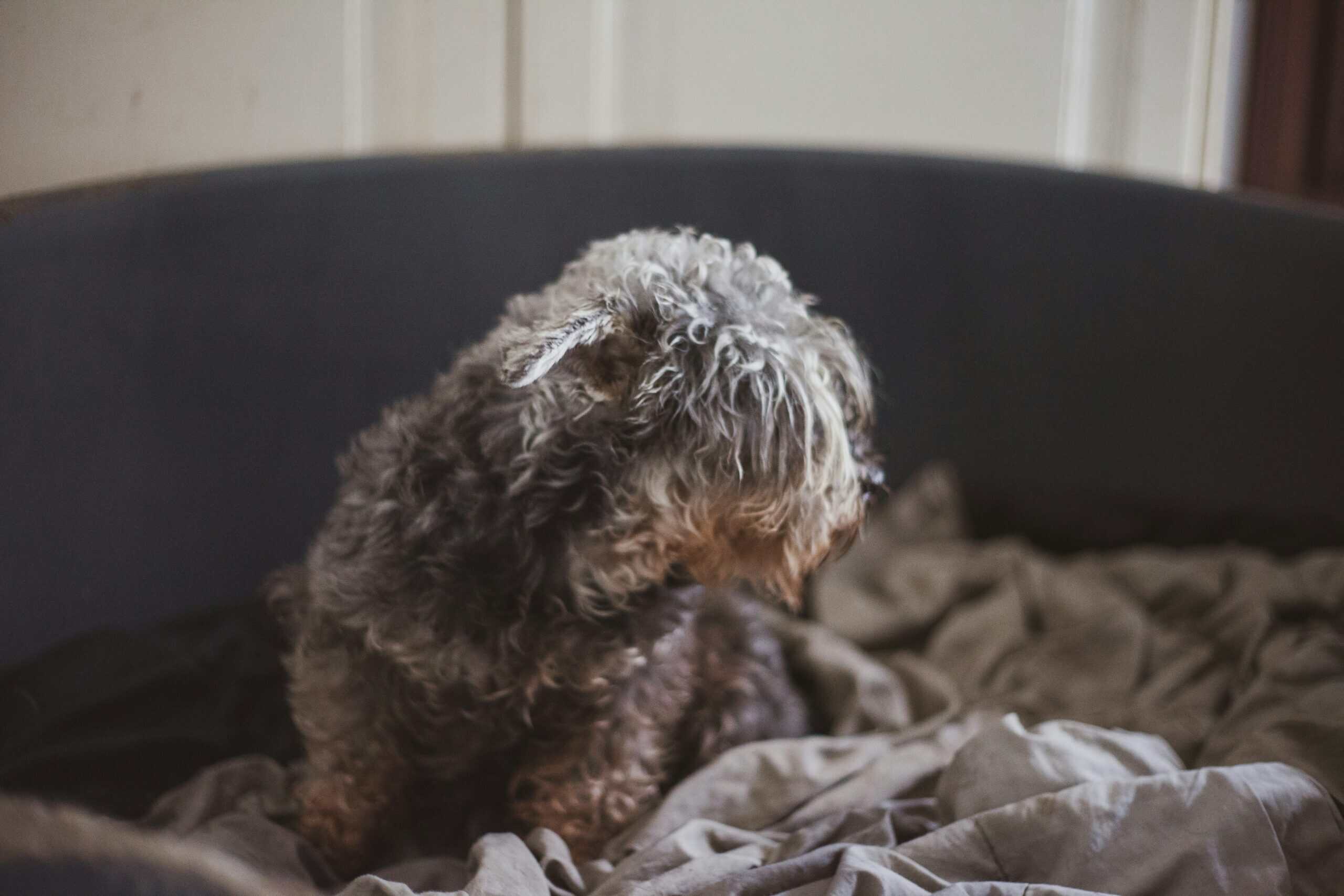
Twice a year most double-coated dogs blow their undercoat, and the volume surprises people every time. The products that help split into three jobs: removing hair from the dog, removing it from your home, and stopping it arriving on your clothes and seats.
Do the first job properly and the other two get much smaller. Every handful you pull out during a grooming session is a handful that never reaches your couch.
Quick Verdict
An undercoat rake does the most work on double-coated dogs and does nothing useful on single-coated ones. Add a vacuum with a motorized brush head for upholstery, and a washable seat cover for the car. Frequency beats equipment: brief daily sessions clear more hair than one long weekly one.
Key Takeaways
- Coat type decides which tool works, and using the wrong one damages the coat
- Shedding peaks in spring and fall for most double-coated breeds
- Daily short sessions remove more than weekly long ones
- Suction alone does little on embedded hair
- Bathing loosens undercoat and makes brushing more productive
- Sudden heavy shedding outside season warrants a vet conversation
How We Picked
Coat compatibility came first. Undercoat rakes and deshedding blades transform a Husky and damage a Greyhound, so matching tool to coat matters more than which brand you pick.
Hair capture ranked next. Tools that fling hair into the air move the problem into your home rather than solving it.
Cleanup power counted for the household side. Suction alone leaves short hair woven into upholstery, and only a rotating brush lifts it.
Skin safety mattered because shedding-season tools reach the skin. Blades and rakes cut and scrape when used hard, and the better designs have rounded tips.
Undercoat Rakes
Why It Stands Out
Long widely spaced teeth reach through the topcoat and pull loose undercoat out without cutting the guard hairs. On a Husky, Shepherd, or Retriever mid-blow this removes more hair than anything else you own.
The tool works with the coat rather than against it. Guard hairs stay intact, which matters because they insulate and protect skin.
Sessions get shorter as you go. Fifteen minutes daily during a heavy blow clears the coat within a week or two, and the same time weekly never catches up.
Worth Knowing
These do nothing on single-coated breeds, since there is no undercoat to reach. Used on a Poodle or a Greyhound they scratch skin and pull guard hairs.
Pressure is where people go wrong. Let the teeth do the work rather than pressing, since a rake dragged hard leaves tracks on the skin.
Buy this for any double-coated dog. Skip entirely for single coats, and short-coat tools sit in grooming tools for short-haired dogs.
Check Price on AmazonDeshedding Blades
Why It Stands Out
A fine-toothed blade grabs loose undercoat close to the skin and pulls it clear in visible clumps. The volume it produces in one pass is what convinces people the tool works.
They suit medium and short double coats particularly well, where a rake’s long teeth pass through without gripping.
Ejector buttons on better models clear the accumulated hair without you picking it off, which speeds a long session considerably.
Worth Knowing
Overuse thins the coat and can damage guard hairs. Seasonal rather than year-round is the guidance, and a few sessions during a blow rather than every day.
They cut skin if used on matted areas or over bony points. Work through mats with a comb first.
Buy this for short and medium double coats during shedding season. Skip for single-coated dogs and skip year-round use, and options sit in deshedding tools.
Check Price on AmazonHandheld Vacuums With Motorized Brushes
Why It Stands Out
Dog hair weaves into upholstery fibers rather than sitting on top, and suction pulls at it without lifting it out. A rotating brush head agitates the fabric and breaks that grip.
Handheld units reach the places hair collects: sofa cushions, stair edges, and the gap where a cushion meets the frame.
Cordless models get used more often, which matters during a season where a quick pass every day beats a deep clean every fortnight.
Worth Knowing
Dust cups fill fast during a blow. Emptying mid-session is normal rather than a sign of a weak machine.
Hair wraps around brush rollers and needs cutting free periodically. Models with a removable roller make that a two-minute job.
Buy this if you have fabric furniture. Skip suction-only handhelds for this job, and options sit in handheld vacuums for pet hair.
Check Price on AmazonDeshedding Shampoos and Conditioners
Why It Stands Out
A bath loosens undercoat that is ready to shed, so brushing after one pulls out far more than brushing a dry dog. Groomers bathe first for exactly this reason.
Conditioners reduce the friction that makes a rake drag, which makes long sessions easier on both of you.
The combination of bath, thorough dry, and brush clears a blow faster than brushing alone across the same days.
Worth Knowing
Drying matters more than the shampoo. A double coat that dries with undercoat still packed in mats, and a dog left damp in a crate develops hot spots.
These do not reduce shedding. They loosen hair that was going to fall out anyway, which is a timing benefit rather than a volume one.
Buy this if you bathe your dog during shedding season anyway. Skip if you cannot dry a double coat thoroughly, and frequency sits in how often to bathe a dog.
Check Price on AmazonWashable Car Seat Covers
Why It Stands Out
Car upholstery is worse than home furniture for hair, since the weave is tight and you cannot get a vacuum into the seams properly. A cover means you wash a blanket instead.
Hammock designs cover the seat back and the footwell, which catches the hair that would otherwise work into the gap between seat and door.
They also stop your dog sliding around during braking, which is a separate benefit worth having.
Worth Knowing
Anchor quality decides whether a cover stays put. Cheap ones slide and bunch within one trip.
A cover is not a restraint. A dog needs a crash-rated harness or crate regardless of what they are sitting on.
Buy this if your dog travels regularly. Skip as a safety measure, and options sit in dog car seat covers.
Check Price on AmazonLint Rollers and Fabric Brushes
Why It Stands Out
Hair on clothes is the shedding problem you carry to work. A roller by the door handles the coat you put on last.
Reusable rubber brushes work better than adhesive rollers on upholstery and clothing, since the static grip lifts short hair the sheets skim past.
They cost almost nothing and one lives in the car, one by the door, and one in a bag.
Worth Knowing
Adhesive rollers run out fast during a blow, and the refills add up over a season.
Rubber brushes need rinsing to restore grip once they load with hair.
Buy several and place them where you dress. Skip adhesive-only if you shed-clean daily, and hair management generally sits in keeping dog hair off the couch.
Check Price on AmazonShedding Season Tools at a Glance
| Tool | Coat type | Frequency |
|---|---|---|
| Undercoat rake | Double only | Daily during a blow |
| Deshedding blade | Short and medium double | Seasonal, not daily |
| Rubber curry | Single and short coats | Weekly |
| Handheld vacuum | Not applicable | Daily during peak |
| Deshedding shampoo | Double | Once or twice per blow |
| Seat cover | Any | Wash weekly |
What to Look For
Identify the coat before buying
Part the hair and look at the base. A softer dense layer beneath the outer coat means double-coated, and one uniform layer means single. That answer decides the whole toolkit.
Choose frequency over session length
Ten minutes daily clears a blowing coat faster than an hour on Saturday. Hair keeps loosening, so short regular sessions catch it as it releases.
Look for hair capture
Tools that hold what they remove keep the hair off your floor. Anything that flings it relocates the problem.
Check tooth and blade tips
Rounded tips sit against skin without scratching. Sharp ones catch, particularly on a dog who moves during grooming.
Why the Volume Spikes When It Does
Daylight drives the cycle rather than temperature, which explains why a warm spell in February does not start a blow and lengthening days do.
Double-coated dogs grow a dense insulating undercoat through fall and release it in spring. In fall they shed the lighter summer coat to make room for the winter one, which is usually the smaller of the two events.
Indoor dogs get a muddled version. Artificial light and steady heating blunt the seasonal signal, so many house dogs shed moderately year-round with softer peaks instead of two sharp blows.
A blow typically runs two to four weeks. Knowing that helps, because the daily grooming feels endless in week one and stops mattering by week four.
Single-coated breeds never do this. They shed steadily and lightly all year, which is why owners of Poodles and Greyhounds find the whole conversation puzzling.
Undercoat Rake Against Deshedding Blade
Undercoat rake
Long teeth reach through a thick coat and pull undercoat without cutting guard hairs. Best on Huskies, Shepherds, and long double coats.
Deshedding blade
Fine teeth grab close to the skin and remove more per pass. Better on short and medium double coats, and overuse thins the coat, so seasonal only.
Common Misconceptions
That shaving reduces shedding
Shaving a double coat removes insulation that keeps a dog cool as well as warm, and the undercoat still sheds. It can also grow back unevenly.
That any brush works
Slicker brushes suit long single coats, rakes suit double coats, and curry brushes suit short coats. Using the wrong one either does nothing or damages the coat.
That shedding means something is wrong
Seasonal blowing is normal for double-coated breeds. Sudden heavy shedding outside season, patchy loss, or bald spots are worth raising with your vet.
That vacuuming more solves it
Hair you remove from the dog never reaches the floor. Grooming does more per minute than cleaning, and reducing shedding generally sits in reducing dog shedding.
Recommended Reading
- reducing shedding
- deshedding tools
- short-coat tools
- grooming routine
- furniture and hair
- cleanup tools
Frequently Asked Questions
When is shedding season for dogs?
Spring and fall for most double-coated breeds, as they swap between winter and summer undercoats. Indoor dogs under artificial light often shed more evenly year-round.
What is the best tool for shedding season?
An undercoat rake for double-coated dogs, and a rubber curry brush for single and short coats. Using a rake on a single coat scratches skin and pulls guard hairs.
How often should I brush during a blow?
Daily, in short sessions. Ten minutes each day clears a blowing coat faster than an hour once a week, since hair keeps loosening throughout.
Does bathing help with shedding?
It loosens undercoat that was going to shed, so brushing afterward removes more. Drying thoroughly matters, since a double coat left damp mats.
Should I shave my dog in summer?
Not a double coat. That coat insulates against heat as well as cold, the undercoat still sheds, and it can grow back unevenly.
Why is my dog shedding outside of season?
Indoor lighting and heating disrupt seasonal cycles, which spreads shedding across the year. Sudden heavy loss, patches, or bald spots warrant a vet conversation.
What removes dog hair from upholstery?
A vacuum with a motorized brush head, since suction alone skims over hair woven into fibers. A reusable rubber brush works well on smaller areas.
