
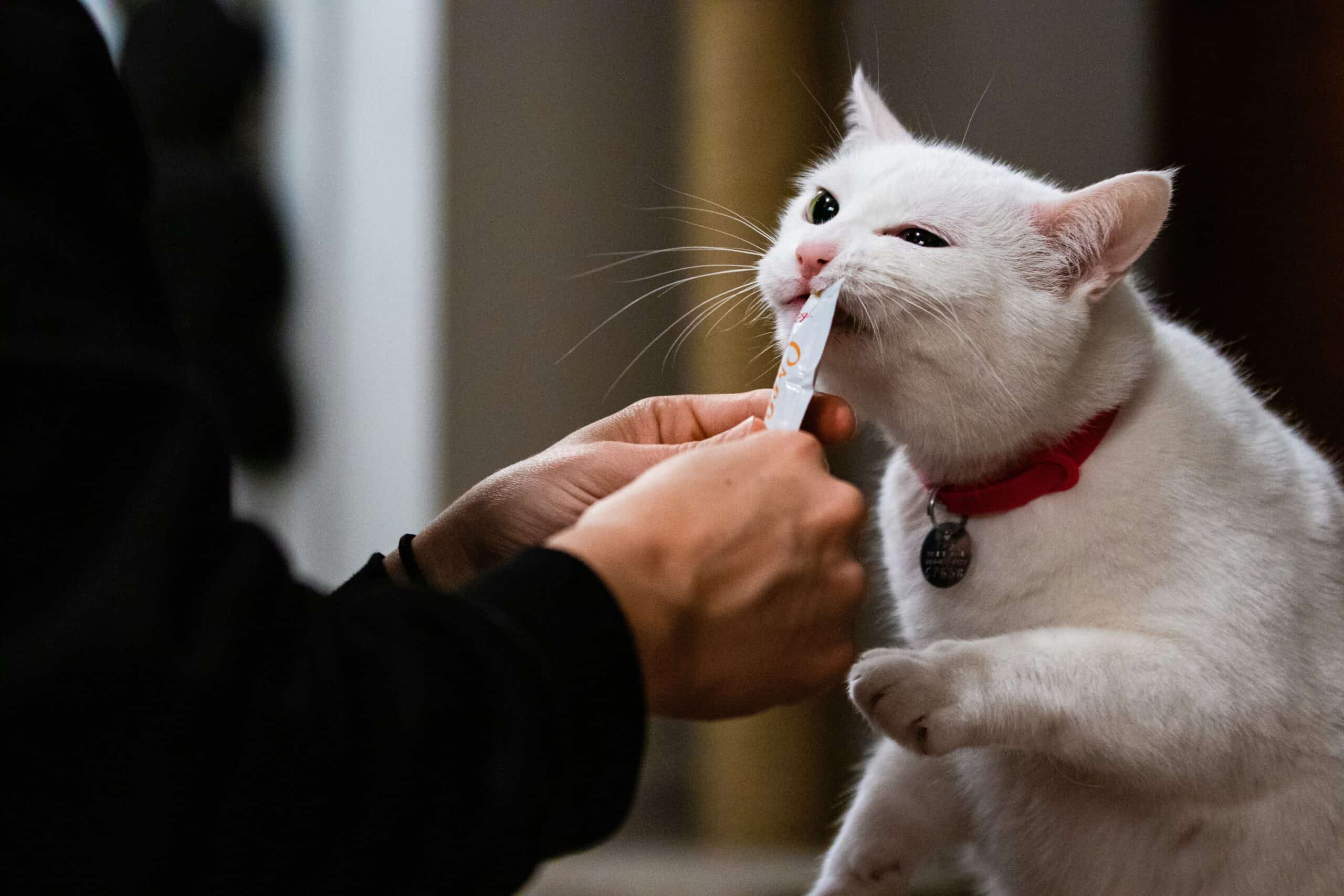
Yes, and daily brushing is the standard veterinary dentistry aims for, because dental disease is one of the most common conditions found in adult cats. Whether cats need their teeth brushed is not really in dispute; the practical question is what to do when a cat will not tolerate it, and the honest answer is that treats and additives help without replacing it.
Most dental disease sits below the gumline where you cannot see it. Our guide to caring for an indoor cat covers where this fits in a routine.
A Quick Note
This is general information, not veterinary advice. Dental disease requires diagnosis, and painful teeth need treatment rather than a home routine. Any cat drooling, pawing at its mouth, eating less or with visibly red gums should see a vet rather than starting a brushing program.
Quick Answer
Brush daily with a cat toothbrush or finger brush and a veterinary enzymatic toothpaste. Never use human toothpaste. Build up over weeks rather than starting with a full brushing. Dental treats, diets and water additives reduce plaque and do not remove existing tartar, so they are supplements to brushing and to professional cleaning rather than alternatives.
Key Takeaways
- Daily brushing is the standard; a few times a week still helps.
- Human toothpaste is not safe for cats.
- Treats and additives slow plaque, they do not remove tartar.
- Most dental disease is below the gumline and invisible at home.
- Start with a finger and a taste, not a brush and a full mouth.
- Bad breath is a symptom, not a cosmetic problem.
| Method | What it does | Replaces brushing? |
|---|---|---|
| Daily brushing | Removes plaque before it hardens | Is the standard |
| Dental treats and chews | Mechanical abrasion, some plaque control | No |
| Dental diets | Kibble shaped to scrape | No |
| Water additives | Reduce bacteria in the mouth | No |
| Dental wipes | Surface plaque, easier to tolerate | Partly, better than nothing |
| Professional cleaning | Removes tartar, treats below the gumline | Nothing else does this |
Why It Matters More Than It Looks
Plaque forms on teeth within hours of eating. Left in place it mineralizes into tartar, which brushing can no longer remove.
Tartar under the gumline drives gingivitis and then periodontal disease, which destroys the tissue and bone holding teeth in place.
The American Animal Hospital Association publishes dental care guidelines for dogs and cats, and the emphasis on home care between professional cleanings is the part owners control.
Cats also get tooth resorption, a painful condition where the tooth structure breaks down. It is found on examination and radiographs rather than by looking.
Cats Hide Dental Pain Well
They keep eating
A cat with significant dental disease usually still eats. Appetite is a poor indicator here.
What to actually watch for
Bad breath, drooling, pawing at the mouth, chewing on one side, dropping food, or a sudden preference for wet food over kibble.
Gum line changes
A red line where gum meets tooth is early gingivitis. Lifting the lip once a week takes seconds.
Behavior shifts
Reduced grooming or irritability when the head is touched can both trace back to mouth pain. Our guide to reading cat body language covers the signals.
Building Up to It
Starting with a toothbrush and a full mouth is how most attempts fail on night one. The process is closer to desensitization than to hygiene at first.
Begin by letting the cat lick veterinary toothpaste off your finger. Several days of just that establishes it as a treat rather than a procedure.
Then a finger along the outside of the front teeth for a second or two. Then a few more teeth. Then a finger brush or a small soft brush.
The inner surfaces matter much less than the outer ones, because saliva does more of the work there. Our roundup of cat toothbrushes and dental care covers the equipment.
Never Human Toothpaste
Human toothpaste is formulated to be spat out, and cats swallow everything. Fluoride and detergents are not intended to be ingested.
Some human toothpastes contain xylitol, which is dangerous to pets and has no place near an animal.
Veterinary toothpastes are enzymatic and flavored to be swallowed, usually poultry or malt. That flavoring is doing real work on compliance.
Baking soda is another common suggestion worth skipping, since it is alkaline and unpleasant enough to end the whole project.
Where Treats and Additives Fit
- Dental treats give mechanical abrasion. Useful, and they only clean where the cat chews.
- Dental diets are shaped to scrape. Larger kibble that fractures rather than shattering.
- Water additives reduce oral bacteria. Easy compliance, modest effect.
- Wipes handle surface plaque. A reasonable fallback for a cat that refuses a brush.
- None of them remove tartar. Once plaque hardens, only a professional cleaning addresses it.
- Look for evidence of testing. Products assessed for plaque or tartar control are a better bet than ones marketed on breath alone.
Our roundup of cat dental treats and chews covers that category, and our roundup of cat food for indoor cats covers the diet side.
Professional Cleaning Is a Separate Thing
A veterinary dental cleaning happens under general anesthesia, because scaling below the gumline and taking radiographs cannot be done on a conscious cat.
Anesthesia-free dental cleaning removes visible tartar from tooth surfaces and does nothing below the gumline, which is where disease lives. It can make a mouth look better while the problem continues.
How often a cat needs a professional cleaning varies by individual. Some need it yearly and some go much longer.
Home brushing extends the interval rather than removing the need. Our roundup of cat carriers for vet visits covers making the trip easier.
Starting Young Is Much Easier
A kitten handled around the mouth early accepts brushing far more readily than a cat meeting a toothbrush at eight years old.
That is worth knowing even if your cat is already an adult, because the same principle applies: slower is faster.
Pair it with other handling. A cat used to having its paws and ears touched objects less to its mouth being touched.
Our guide to socializing a kitten covers building that tolerance, and our guide to grooming a cat covers the wider handling routine.
Sources
- American Animal Hospital Association, dental care guidelines for dogs and cats
- American Association of Feline Practitioners, feline care guidelines
Frequently Asked Questions
Do cats need their teeth brushed?
Yes. Dental disease is among the most common conditions found in adult cats, and daily brushing is the standard home care aims for. Brushing a few times a week still helps considerably more than not brushing at all.
How often should you brush a cat’s teeth?
Daily is the target, because plaque begins forming within hours of eating and hardens into tartar within days. Every other day or a few times a week is a reasonable real-world compromise that still slows disease.
Can you use human toothpaste on a cat?
No. Human toothpaste is made to be spat out and cats swallow everything, so fluoride and detergents become a problem. Some also contain xylitol, which is dangerous to pets. Use a veterinary enzymatic toothpaste instead.
Do dental treats work instead of brushing?
They help and they do not replace it. Treats and dental diets provide mechanical abrasion where the cat chews, and water additives reduce oral bacteria. None of them removes tartar once plaque has hardened.
What if my cat will not let me brush?
Build up over weeks rather than starting with a brush and a full mouth. Let the cat lick veterinary toothpaste off your finger for several days first, then work up to a finger along the outer front teeth. Dental wipes are a reasonable fallback.
Is anesthesia-free dental cleaning a good option?
It removes visible tartar from tooth surfaces and cannot address anything below the gumline, which is where periodontal disease sits. It can leave a mouth looking better while the underlying problem continues unaddressed.
How do you know if a cat has dental problems?
Bad breath, drooling, pawing at the mouth, chewing on one side, dropping food or switching from kibble to wet food. A red line where gum meets tooth is early gingivitis. Cats usually keep eating, so appetite is a poor indicator.
When should you see a vet about your cat’s teeth?
See a vet for bad breath, red or bleeding gums, drooling, reduced eating or any sign of mouth pain. Tooth resorption and disease below the gumline are found on examination and radiographs, so a home routine is not a substitute for a check.
