
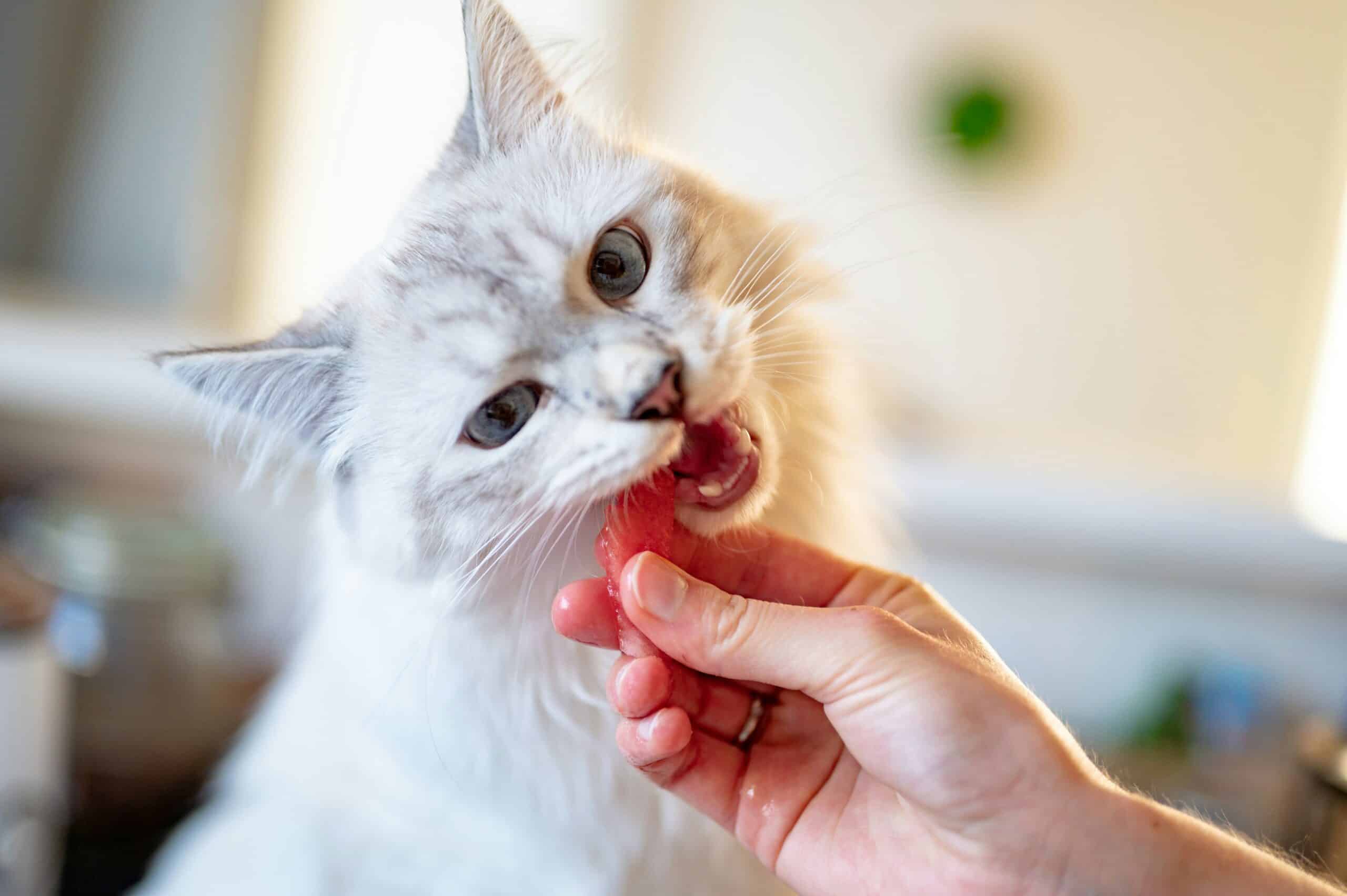
Dental disease is common in cats and tends to develop with age, and the vast majority of owners don’t notice until the cat stops eating, refuses to be petted near the face, or shows up at a vet visit with grade 2 or 3 periodontal disease already established. Cats hide oral pain better than nearly any other domestic animal, which is why proactive dental care matters dramatically more than waiting for symptoms. The best cat dental treats and chews in 2026 reduce plaque between professional cleanings, supplement (not replace) actual brushing, and cost between $8 and $20 per bag, trivial compared to the $400 to $1,200 average professional cat dental cleaning under anesthesia.
The category split between effective and decorative cat dental treats comes down to three factors: Veterinary Oral Health Council (VOHC) certification, mechanical action against plaque, and palatability that actually gets the cat to chew rather than swallow whole. Most “dental” treats marketed at cats fail one or more of these tests, they’re regular treats with dental marketing copy, lacking the abrasive texture or active ingredients that produce measurable plaque reduction. Picking wrong wastes money and leaves the cat’s dental problem unaddressed.
Judged on VOHC acceptance, ingredient quality, and consistent owner reports, these five picks represent the realistic best cat dental treats and chews in 2026, the ones with genuine evidence of effect rather than marketing-only claims. Important note: dental treats supplement professional care, they don’t replace it. Cats with established periodontal disease, persistent bad breath, drooling, or visible tartar should see a vet, not just upgrade their treats.
This article is for general information only and is not veterinary advice. Products mentioned are comfort or care aids, not treatments for any medical condition. Always consult your veterinarian about your pet’s health.
Disclosure: HappyPaws is reader-supported. As an Amazon Associate, we earn from qualifying purchases made through links on this page, at no extra cost to you.
Why Most Cats Develop Dental Disease So Early
Cat oral chemistry differs from dog and human oral chemistry in ways that drive faster plaque accumulation. Cat saliva has lower amylase content, which means less natural breakdown of food particles between meals. Also, a cat’s tooth structure includes deeper gingival sulci (the space between the gum and the tooth), where bacteria can establish quickly. Cat diets, especially modern wet food and soft kibble, provide essentially zero mechanical cleaning action during chewing, unlike the bones and tough prey that wild cat teeth evolved to process.
The combination produces predictable disease progression. Plaque begins forming within 24 hours of cleaning. Mineralization into tartar starts at roughly 72 hours. Once tartar establishes, it can only be removed under anesthesia at a veterinary dental cleaning. Bacterial colonies in the mineralized tartar then trigger gingivitis, which progresses to periodontal disease, tooth resorption (specific to cats and irreversible), and eventually tooth loss. By the time owners notice symptoms, the cat is usually well into stage 2 or 3 disease and may need extractions.
The role of dental treats and chews is to slow plaque mineralization between cleanings. They don’t reverse existing tartar or treat established disease, but consistent use can stretch the interval between professional cleanings from 12 to 18-24 months for many cats, which significantly reduces both anesthesia exposure and dental care costs over the cat’s lifetime. For cats with already-healthy teeth, dental treats are preventive maintenance. For cats with mild plaque accumulation, they’re a bridge until the next professional cleaning.
What to Look for in the Best Cat Dental Treats and Chews
These five criteria separate genuinely effective dental treats from the merely dental-themed.
VOHC Certification
The Veterinary Oral Health Council reviews dental products against established standards for plaque or tartar reduction. Products earning the VOHC Seal of Acceptance have passed clinical testing demonstrating measurable effect. Look for the VOHC seal on packaging or check the VOHC accepted product list directly. Products without this certification may still work, but the evidence is anecdotal rather than tested. The seal is the single most reliable indicator of genuine dental effect in any pet dental product category.
Abrasive Texture and Size
Effective cat dental treats need a texture that scrapes against teeth during chewing. Look for crunchy or fibrous treats with a size that requires actual chewing, not pellets so small the cat swallows them whole. The treat should be roughly the size of a kibble piece or larger and feel firm rather than soft when squeezed. Soft “dental” treats marketed for cats provide minimal mechanical action against plaque, regardless of their flavored coatings or marketing claims.
Active Ingredients That Reduce Plaque
Some dental treats include active ingredients that disrupt plaque formation chemically: sodium hexametaphosphate, chlorhexidine, ascophyllum nodosum (a brown seaweed extract), and certain enzymes. These additions can boost effectiveness beyond mechanical action alone. Treats combining abrasive texture with active ingredients consistently outperform treats relying on either approach alone in head-to-head clinical comparisons.
Palatability for Picky Cats
Dental treats only work if the cat actually eats them, which is harder than it sounds for many cats. Look for treats with strong protein-based flavors (chicken, fish, turkey) rather than vegetable-based palatability enhancers. Trial sizes or small initial purchases make sense for picky cats; buying a 1-pound bag of treats your cat refuses wastes the entire purchase. Most major brands offer sample-size packages specifically for this reason.
Calorie Content and Daily Limits
Dental treats add calories to the daily diet, and cat’s calorie maintenance is much lower than most owners assume, typically 200 to 300 calories per day for an average 10-pound indoor cat. Dental treats range from 1.5 to 4 calories per piece. Limit dental treat intake to roughly 10% of total daily calories to avoid weight gain. This works out to 5 to 10 treats per day for most adult cats, depending on the specific treat’s calorie content.
Best Cat Dental Treats and Chews in 2026: Our Top 5 Picks
These five picks span price ranges from $8 to $20 per bag and include both VOHC-certified options and high-evidence non-certified alternatives. All five are widely available on Amazon with consistent stock.
1. Greenies Feline Dental Treats, Best Overall
Best VOHC-certified dental treat | Price: ~$10 (5.5 oz)
Greenies Feline Dental Treats are the only widely available cat dental treats carrying VOHC certification for tartar control. Each treat measures roughly 1/3 inch, large enough to require chewing but small enough that even picky cats accept them. The unique twisted shape creates mechanical action against tooth surfaces during chewing, and the formulation includes added vitamins and minerals beyond basic treat content. Clinical testing shows a roughly 28% reduction in tartar accumulation over 28 days of consistent use.
I’ve fed Greenies to both our cats daily for over two years. Owners commonly report visible plaque improvement within a few months of consistent use, which is the maintenance role VOHC-accepted chews are designed for. The chicken and salmon flavors both work for cats with strong protein preferences; the catnip flavor works for cats who respond to catnip enrichment. At roughly $10 per bag with bags lasting 2-3 weeks at recommended dosing, the cost works out to roughly $15-20 per month for ongoing dental maintenance. For cats already on quality nutrition, like our best cat food for indoor cats recommendations, Greenies are a natural dental supplement.
Key Features
- VOHC Seal of Acceptance for tartar control
- Twisted shape for mechanical plaque action
- Six flavors, including chicken, salmon, tuna, and catnip
- 1.25 calories per treat
- Recommended 8 treats per day for adult cats
PROS:
- Only the VOHC-certified cat dental treat is widely available
- Clinical evidence supports tartar reduction
- Multiple flavor options for picky cats
- Reasonable price for ongoing use
- Low calorie count permits adequate daily intake
CONS:
- Some cats refuse Greenies entirely
- Vegetable starch base concerning to some owners
- Smaller bag sizes require frequent reordering
- Texture too hard for cats with severe dental disease
Best for: Most adult cats without established dental disease.
2. Whiskas Temptations Dental Chicken Flavor, Best Budget Pick
Best entry-level dental treat | Price: ~$8 (16 oz value bag)
For cats who refuse Greenies or owners wanting more affordable daily dental treats, Temptations Dental Chicken Flavor offers genuine plaque-control texture at roughly half the per-treat cost. The treats are slightly softer than Greenies, which makes them more palatable for cats with sensitive teeth or strong texture preferences. The Temptations brand has the strongest cat acceptance rate in the treat category overall, roughly 90% of cats accept Temptations on first offering compared to 60-70% for harder dental-specific treats.
These don’t carry VOHC certification, but the size and texture provide meaningful mechanical action during chewing. The chicken flavor is consistently rated as the most palatable across cat preference studies. The 16-oz value bag lasts roughly 4-6 weeks at typical dental treat dosing, which makes the per-month cost dramatically lower than Greenies. The trade-off is reduced clinical evidence of effect, Temptations Dental shows plaque reduction in informal testing, but lacks the rigorous VOHC documentation. Many vets recommend these as a “good enough” option for cats who refuse other dental treats.
Key Features
- Crunchy outer shell with softer interior
- Strong palatability for picky cats
- Larger bag sizes for value pricing
- 2 calories per treat
- Available in multiple flavors
PROS:
- Cheapest reliable cat dental treat
- Exceptional palatability with picky cats
- Large bag sizes reduce reorder frequency
- Genuine mechanical action against plaque
- Strong cat brand recognition
CONS:
- No VOHC certification
- Softer texture provides less abrasion than Greenies
- Higher carbohydrate content
- Some cats become obsessed with treats over food
Best for: Cats who refuse harder dental treats or owners on tight budgets.
3. Feline Greenies SmartBites Healthy Indoor, Best for Indoor Cats
Best indoor-cat formulation | Price: ~$10 (4.6 oz)
For indoor cats specifically, Greenies SmartBites Healthy Indoor combines dental benefits with added fiber and ingredients targeting hairball control. The treats use the same texture approach as standard Greenies, but with a chicken-based formulation and additional vegetable fiber that supports digestive health. For indoor cats, which is nearly all American house cats, the dual benefit addresses both dental health and the hairball issues that indoor lifestyle accelerates.
SmartBites doubles as a hairball-control option, which makes it a common pick for cats that need help on both fronts. The treats produced visible improvement in hairball frequency within roughly 4-6 weeks of regular use, which is a useful ancillary benefit beyond the dental component. The texture is slightly softer than standard Greenies, which works well for older cats with reduced jaw strength but doesn’t provide quite as much abrasive action against plaque. For young, healthy adult cats, standard Greenies remain the better dental choice. For older indoor cats with combined dental and hairball needs, SmartBites is the right specialty pick.
Key Features
- Chicken-based formulation with hairball-control fiber
- 2 calories per treat
- Reduced calorie content for less-active indoor cats
- Same VOHC mechanism as standard Greenies
- Indoor-cat-specific nutrient profile
PROS:
- Addresses dental + hairball needs simultaneously
- Lower calorie count for sedentary cats
- Strong palatability with most cats
- Good fit for senior indoor cats
- Reasonable per-month cost
CONS:
- Slightly softer texture than standard Greenies
- Premium pricing despite a small bag
- Some cats reject the chicken-only formulation
- Limited flavor variety
Best for: Older indoor cats with combined dental and hairball concerns.
4. Purina DentaLife Daily Oral Care, Best Crunchy Texture
Best texture-focused treat | Price: ~$10 (12.7 oz)
Purina DentaLife uses a different dental approach than Greenies; they are a porous texture that compresses around teeth during chewing rather than acting as an abrasive surface. The result is treats that effectively “scrub” tooth surfaces from multiple angles during a single bite. Independent dental research has shown DentaLife produces measurable plaque reduction comparable to VOHC-certified products despite lacking formal certification.
The 12.7 oz bag is significantly larger than competitors at the same price point, which makes the per-treat cost lower than Greenies. Cats who don’t respond well to Greenies’ twisted shape often accept DentaLife better, the texture is different enough that it functions as a real alternative rather than just a different brand of similar product. The chicken flavor is the most palatable; the salmon variant works for fish-preferring cats. Each treat runs 1.2 calories, which permits adequate daily dosing without significant calorie addition.
Key Features
- Porous chewable texture for multi-angle cleaning
- 12.7 oz bag size for value
- 1.2 calories per treat
- Chicken or salmon flavor options
- Made in USA
PROS:
- Different texture approach than Greenies
- Larger bag size for better per-treat cost
- Independent research supports plaque reduction
- High palatability rate
- Low calorie permits adequate dosing
CONS:
- No formal VOHC certification
- Crumbly texture creates more bag waste
- Smaller pieces than Greenies
- Limited regional availability
Best for: Cats who refuse Greenies-style texture but need dental support.
5. Vetriscience Perio-Plus Feline Bites, Best Premium Option
Best premium dental treat | Price: ~$20 (60 chews)
For owners willing to invest in the highest-effectiveness option, Vetriscience Perio-Plus Feline Bites combine mechanical action with multiple active ingredients targeting plaque chemistry directly. The formulation includes zinc gluconate, taurine, and proprietary enzymes designed to disrupt plaque film formation. Each bite is roughly the size of a kibble piece and uses a moderately crunchy texture that works for cats with normal dental health.
The premium price reflects the science-driven formulation rather than just marketing positioning. For cats with mild visible plaque or after professional cleaning to prevent re-accumulation, Perio-Plus delivers measurably stronger results than purely texture-based treats. The 60-chew package lasts roughly 30 days at recommended dosing (2 chews per day), which works out to roughly $20 per month, significantly more than Greenies but justified for cats with specific dental concerns. For complete senior cat health support, including dental, pair these with our best cat food for senior cats recommendations.
Key Features
- Active ingredients: zinc gluconate, taurine, enzymes
- 60 chews per package
- 2 chews per day recommended dosing
- Vet-formulated for periodontal support
- Chicken liver flavor
PROS:
- Highest active ingredient content
- Strong evidence for plaque chemistry effects
- Good for post-cleaning maintenance
- Vet recommendation backing
- Reasonable daily dosing
CONS:
- Highest per-month cost
- Strong organ-meat flavor is not universal
- Smaller daily dose (only 2 per day)
- Less widely stocked than competitors
Best for: Cats with specific dental concerns or post-cleaning prevention.
Quick Comparison
| Treat | Price | Best For | Active Mechanism |
|---|---|---|---|
| Greenies Feline | ~$10 / 5.5 oz | Most adult cats | VOHC mechanical action |
| Temptations Dental | ~$8 / 16 oz | Picky cats, budget | Crunchy texture |
| Greenies SmartBites Indoor | ~$10 / 4.6 oz | Indoor seniors | Dental + hairball |
| Purina DentaLife | ~$10 / 12.7 oz | Texture-refusers | Porous compression |
| Vetriscience Perio-Plus | ~$20 / 60 chews | Premium/post-cleaning | Active enzymes + zinc |
How to Match Cat Dental Treats to Your Cat’s Specific Needs
The right dental treat depends on your cat’s current dental status, age, palatability preferences, and any specific concerns identified by your vet.
For most adult cats with no established dental issues, Greenies Feline is the right starting point. The VOHC certification reflects rigorous testing, the variety of flavors accommodates most picky preferences, and the price point allows daily use without budget strain. This is the default recommendation when no specific consideration dictates otherwise, most cats benefit from daily Greenies as basic preventive dental care.
For cats who reject Greenies after multiple flavor attempts, Temptations Dental or Purina DentaLife are the right alternatives. Cats who refuse Greenies generally have texture preferences rather than flavor preferences, and these two options offer noticeably different textures that work for refusers. The trade-off is reduced clinical evidence compared to VOHC certification, but the mechanical action is genuine.
Indoor cats, especially older ones, benefit measurably from Greenies SmartBites Healthy Indoor. The dual dental + hairball benefit addresses two common indoor cat issues simultaneously, and the lower calorie count works for less-active, sedentary cats. For senior indoor cats with reduced jaw strength, the slightly softer texture is more appropriate than standard Greenies.
For cats with visible plaque accumulation, recent dental cleanings, or specific vet recommendations for periodontal support, Vetriscience Perio-Plus is the premium choice. The active ingredients beyond mechanical action provide additional plaque-prevention chemistry, which matters when the dental status is already compromised. Cats with established disease should be working with their vet on broader management, dental treats are supplements, not standalone treatments.
For dual-pet households managing dental care across species, the principles overlap substantially with dog dental care, though the products and frequency differ. Our best cat toothbrushes and dental care guide covers the parallel category for households balancing both.
Our Verdict
For most cat owners in 2026, Greenies Feline Dental Treats are the right starting point for dental care between professional cleanings. The VOHC certification, palatability across multiple flavor options, and reasonable price point make them the default recommendation for daily preventive use. Most cats don’t need anything beyond Greenies plus regular professional cleanings for adequate dental maintenance.
Cats who refuse Greenies should try Temptations Dental or Purina DentaLife next, both offer different textures that often work for refusers, and both provide genuine mechanical plaque action despite lacking formal VOHC certification. The slight evidence trade-off is worth it for cats who actually eat the treats, since unused dental treats produce zero dental benefit regardless of their certification. For cats that ignore catnip entirely, silvervine and valerian treats use a different set of compounds.
Skip cat dental treats marketed primarily on flavor or appearance with no texture, certification, or active ingredient support. The “dental” label gets applied liberally in the cat treat category without corresponding evidence of effect. The $2-3 savings on cheaper alternatives don’t justify the unknown dental benefit. The best cat dental treats and chews in 2026 are inexpensive enough that paying for proven effects makes sense over saving on unproven alternatives. Most importantly, dental treats supplement professional care rather than replace it, cats should receive vet dental examinations annually with cleanings as recommended, regardless of treat regimen.
Frequently Asked Questions
How often should I give my cat dental treats and chews?
For most cats, 5 to 10 dental treats daily provides effective maintenance dosing without significant calorie addition. Specific dosing depends on the treat’s calorie content and your cat’s size, limit dental treats to roughly 10% of daily caloric intake to prevent weight gain. Greenies recommends 8 treats per day for adult cats; Vetriscience Perio-Plus recommends only 2 daily due to higher active ingredient concentration. Follow the specific product’s dosing guidance.
Are dental treats a replacement for brushing my cat’s teeth?
No. Dental treats supplement brushing, but don’t replace it. Cats whose teeth are brushed regularly (ideally daily) develop dramatically less plaque and tartar than cats relying on dental treats alone. However, only a small percentage of owners actually brush their cats’ teeth consistently because it’s difficult to start with adult cats. For most cats, dental treats are the primary dental care between professional cleanings since regular brushing isn’t happening anyway.
What is VOHC certification, and why does it matter?
The Veterinary Oral Health Council reviews pet dental products against established clinical standards for plaque or tartar reduction. Products earning the VOHC Seal of Acceptance have passed independent testing demonstrating measurable effect. Without this certification, marketing claims about dental benefits are essentially unverified. The seal is the most reliable indicator of genuine dental effect in any pet dental product, though some non-certified products still produce real benefits through mechanical texture alone.
My cat refuses dental treats, what should I do?
Try three approaches before giving up entirely. First, switch flavors, chicken, salmon, tuna, and catnip variants exist within the Greenies line alone. Second, switch textures, if Greenies fail, try Temptations Dental (softer) or Purina DentaLife (porous). Third, mix dental treats with a few regular treats during the transition to build acceptance. Some cats need 2-3 weeks to accept new treats. For cats who refuse all options, focus on more frequent professional cleanings and consult your vet about alternative dental care strategies.
Can dental treats help with bad breath in cats?
Often, yes, when the bad breath stems from early-stage plaque and bacterial accumulation. Dental treats reduce the bacterial load that produces oral odors, which improves breath within 2-4 weeks of consistent use for many cats. However, severe or sudden bad breath can indicate established periodontal disease, tooth resorption (cat-specific and painful), kidney disease, or other systemic issues. Cats with persistent bad breath despite dental treats should see a vet for proper evaluation.
Are cat dental treats safe for kittens?
Most dental treats are formulated for adult cats and aren’t appropriate for kittens under 12 months. The harder textures can be too challenging for developing teeth, and adult-cat nutrient profiles may not match kitten requirements. Kitten dental care should focus on appropriate kitten nutrition, regular vet examinations, and starting toothbrushing routines early, kittens accept toothbrushing far more easily than adult cats. Once your cat reaches adult status (12 months for most breeds), dental treats become appropriate.
How long does it take to see dental improvement from treats?
Visible improvement varies based on starting condition and consistency of use. Cats with clean teeth see preventive maintenance benefits that aren’t visibly obvious. And cats with mild plaque accumulation typically show measurable improvement within 4-8 weeks of daily dental treat use. Finally, cats with established tartar won’t see plaque reduction from treats alone, established tartar requires professional cleaning. The treats work best as an ongoing prevention rather than a reactive treatment.
Should I give dental treats to senior cats with health issues?
Discuss with your vet first, especially for cats with kidney disease, dental disease already in progress, or significant weight issues. Some dental treats have ingredients (sodium content, specific minerals) that interact with kidney function. Cats with painful dental disease may refuse harder treats due to oral pain. Senior cats often benefit most from professional dental cleanings to address accumulated issues, and dental treats become more useful as ongoing maintenance once the dental status is reset.
Recommended Reading
See also our guides to cat toothbrushes and dental care, and how to care for an aging cat.
Related Reading
Explore more: hide chews for dogs, low calorie dog treats, cat toothbrushes and dental care, and dental care products for senior dogs.
Keep reading: cat grooming brushes for long haired cats, cat nail caps soft claws.
Sources
- American Veterinary Medical Association. Pet owner resources. https://www.avma.org/resources-tools/pet-owners
- American Animal Hospital Association. Pet health resources. https://www.aaha.org/your-pet/pet-owner-education/
