
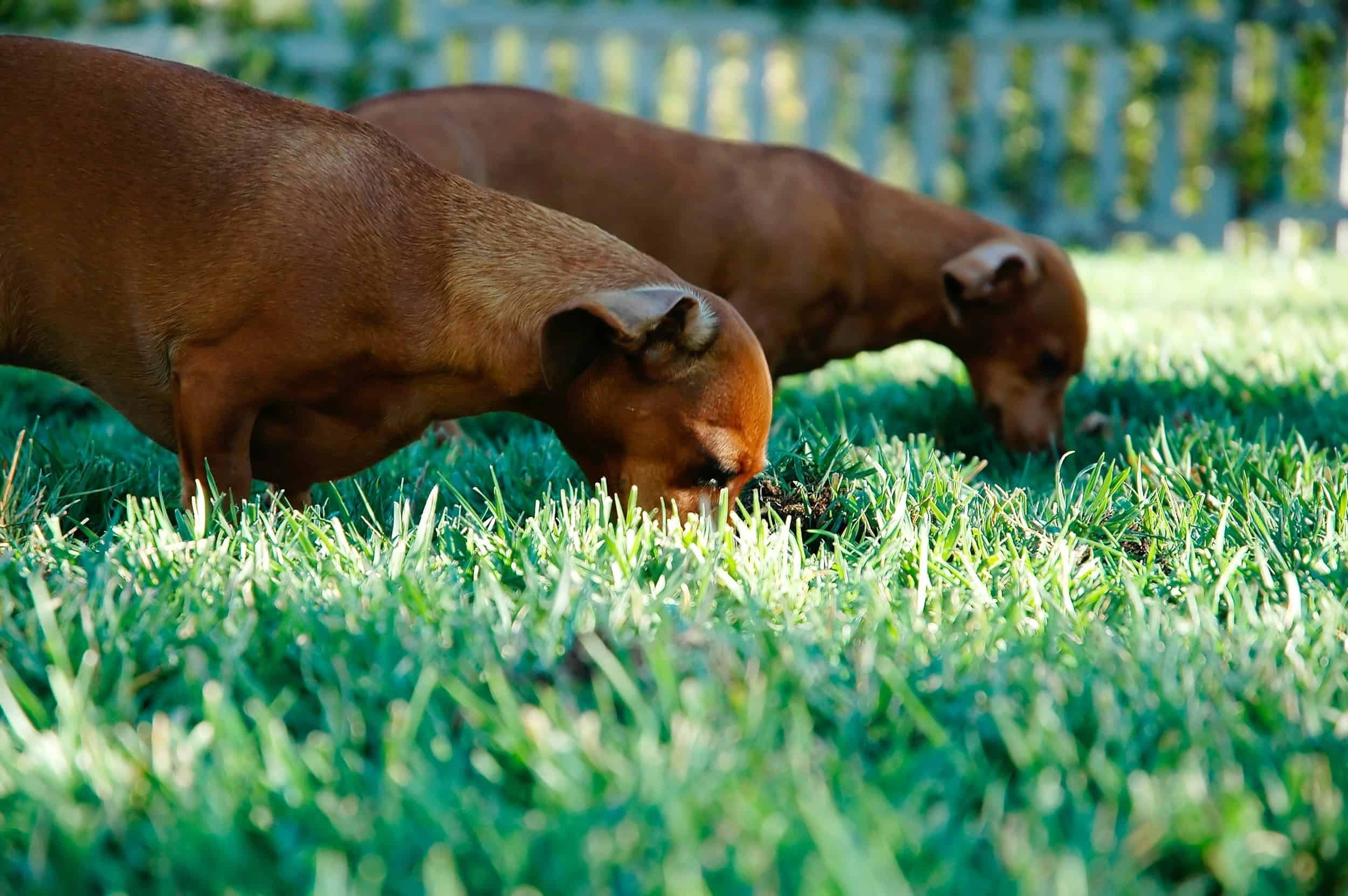
You’re on a walk, and your dog stops to munch on a tuft of grass. You yank the leash and pull her away, worried she’s sick or eating something dangerous. Most dog owners have done this hundreds of times. The conventional explanation has been that dogs eat grass to induce vomiting when their stomachs are upset, or because they have a nutritional deficiency. The largest study ever done on the question, published in 2008, looked at over 1,500 grass-eating dogs and found that neither explanation fits the data. For recommendations, see our best treat dispensing toys for dogs guide.
Karen Sueda, Benjamin Hart, and Kelly Cliff at UC Davis surveyed dog owners about their dogs’ grass-eating habits, looking specifically at whether dogs appeared sick before eating grass and whether they vomited afterward. The findings undermined the popular theories1. Only 9% of dogs showed signs of illness before eating grass. Only 22% vomited afterward. Younger dogs ate grass more than older dogs. Diet quality didn’t predict the behavior. The simplest explanation that fits the data is that grass-eating is normal canine behavior, probably inherited from wild canid ancestors, and usually doesn’t mean anything pathological.
This article covers what the 2008 research actually found, the leading hypotheses for why the behavior exists in modern dogs, the situations when grass-eating does suggest a problem, what kinds of grass are safe vs unsafe, and how to manage the behavior if you’d prefer your dog didn’t engage with it as much.
Last updated: May 31 2026
Key Takeaways
- The largest study on grass-eating in dogs (Sueda, Hart, and Cliff 2008) surveyed over 1,500 dog owners and found that the behavior is common, usually not preceded by illness signs, and usually not followed by vomiting1
- Younger dogs eat grass more frequently than older dogs; dietary quality doesn’t predict grass-eating behavior
- The leading current hypothesis is that grass-eating is normal ancestral behavior inherited from wild canids, possibly serving an intestinal-parasite-control function in ancestral environments
- Concerning patterns warranting vet evaluation include: sudden onset of new grass-eating, signs of illness before grass-eating, frequent vomiting after, or eating grass treated with pesticides or chemicals
What the Research Actually Found
The 2008 study by Sueda, Hart, and Cliff at the University of California, Davis School of Veterinary Medicine is the most thorough investigation of grass-eating in dogs published in the scientific literature1. The researchers conducted three surveys to test the popular hypotheses.
The first survey targeted 25 veterinary students who had pet dogs. All 25 reported their dogs ate grass. None reported seeing signs of illness before the grass-eating, and only 8% reported that their dogs vomited after eating grass1.
The second survey was administered to 47 owners of healthy dogs visiting the UC Davis veterinary teaching hospital for routine care. Of these 47 dogs with daily access to plants, 79% ate grass1. The pattern of pre-eating illness and post-eating vomiting was again low.
The third and most extensive survey was conducted online, ultimately producing 1,571 usable responses from dog owners whose dogs regularly ate grass. The findings1:
- 68% of dogs ate grass on a daily or weekly basis1
- Only 9% of dogs appeared ill before eating grass1
- Only 22% of dogs vomited afterward1
- Younger dogs ate grass more frequently than older dogs
- Dietary quality (premium vs basic food) didn’t predict grass-eating
- Dogs that were sick before eating grass were more likely to vomit afterward (in the small percentage where pre-eating illness was present)
The interpretation: grass-eating is common normal behavior in dogs, generally unrelated to illness or dietary deficiency. The vomiting-when-sick pattern that’s so commonly invoked describes only a small minority of grass-eating events. Most grass-eating happens in healthy dogs who don’t subsequently vomit.
The Ancestral Hypothesis
If grass-eating isn’t about vomiting or nutrition, what is it about? The leading current hypothesis is that the behavior is inherited from wild canid ancestors and may have served different functions in those environments.
Parasite control. In 1944, naturalist Adolph Murie observed grass blades wrapped around intestinal worms in wolf scat, suggesting that grass may have helped scour intestinal parasites from the digestive tract. Wild canids carry significant parasite loads as a normal part of life in their environment, and the modest abrasive and bulking effect of eaten grass may have helped reduce these populations modestly. Modern domestic dogs don’t carry the same parasite burdens (regular deworming addresses most of this), but the instinct to engage with available plant material may persist.
Fiber and digestion. Grass provides roughage that may aid intestinal motility and bowel function. The mechanical effect of fiber passing through the gut helps move stool through the system. Domestic dogs on commercial diets may have adequate fiber from their food, but the instinct to seek occasional roughage may persist.
Inherited foraging behavior. Wolves and other wild canids are opportunistic eaters that consume plant material as part of their diet, particularly when prey contains undigested plant matter in stomachs. Domestic dogs may retain general curiosity about plant foods even when their nutritional needs are met through commercial diets.
Taste and texture. The simplest explanation is that some dogs just like grass. The fresh young blades have a sweet, mild flavor and an interesting texture for chewing. Dogs may engage with grass for the same reason humans occasionally chew on parsley or other green leaves: it’s interesting in the mouth.
These hypotheses aren’t mutually exclusive. Multiple functions may operate, with different individual dogs responding more to one factor than another.
Why the Vomiting Theory Persists
Most dog owners believe the “sick dog eats grass to vomit” explanation. It’s intuitive: you observe your dog eating grass, and sometimes a vomit follows. It’s hard not to draw a causal connection. The research data, however, shows the connection is weaker than the popular theory suggests.
Several factors keep the theory alive despite evidence against it:
Confirmation bias. When a dog eats grass and then vomits, the owner remembers the connection. When a dog eats grass and doesn’t vomit (most of the time), the owner doesn’t particularly notice. Over years of dog ownership, the memorable instances accumulate to seem more representative than they actually are.
Reverse causation. When a dog does feel nauseated, eating grass may be one way the dog tries to address it. The grass-eating doesn’t cause the vomiting; the underlying nausea causes both. But the temporal sequence (grass-eating, then vomit) looks causal.
Cultural transmission. The “dogs eat grass to vomit” idea has been repeated for generations and is part of standard veterinary folk wisdom even though the research doesn’t support it. Beliefs that have been passed down for centuries persist regardless of new evidence.
For practical purposes, the takeaway is that grass-eating doesn’t predict illness most of the time. Watching a healthy dog eat grass doesn’t mean she’s about to get sick.
When Grass-Eating Does Suggest a Problem
Despite the general benign nature of the behavior, several patterns warrant attention:
Pre-eating illness signs
If your dog seems unwell before eating grass (lethargy, signs of nausea, abdominal discomfort), the grass-eating may be a response to the illness rather than a normal behavior. This is the minority pattern, but when it occurs, the underlying illness may need veterinary evaluation.
Sudden change in frequency
A dog who has been a moderate grass-eater for years suddenly engaging much more aggressively with plants may be experiencing some new issue. Anxiety, dietary changes, gastrointestinal problems, or general illness can sometimes change the pattern.
Frequent vomiting after
Most grass-eating dogs don’t vomit. A dog who consistently vomits after grass-eating may have an underlying gastrointestinal sensitivity or condition. This warrants veterinary evaluation, particularly if the vomiting pattern is recent or if other signs (weight loss, appetite changes, energy changes) accompany it.
Pica or compulsive eating
Some dogs eat non-food items compulsively (pica), including grass but also dirt, fabric, rubber, paper, and other materials. Compulsive consumption of non-food items can indicate medical issues (anemia, mineral deficiencies, gastrointestinal disorders) or behavioral conditions. Discuss with a veterinarian.
Treated grass
Grass treated with pesticides, herbicides, or fertilizers can be genuinely dangerous. Lawn chemicals, weed killers, and some fertilizers are toxic to dogs. If your dog is eating grass on lawns that may have been treated, that’s a real safety concern regardless of how benign grass-eating generally is.
Grass with parasites or contamination
Grass in areas frequented by other dogs may carry parasites (intestinal worms from infected feces) or pathogens. Dogs eating grass in dog parks, sidewalks where many dogs urinate, or other heavily-used outdoor areas face higher exposure than dogs eating grass in private yards.
Specific plants that aren’t grass
If “grass-eating” is actually consumption of other plants, some are toxic to dogs. Lilies, sago palm, tulips, daffodils, azaleas, oleander, and many other ornamental plants contain compounds that can be dangerous. Confirm what your dog is actually eating before assuming it’s harmless grass.
What Kinds of Grass Are Safe
Untreated regular lawn grass (Kentucky bluegrass, Bermuda, fescue, etc.) eaten in small to moderate amounts is generally not harmful to most dogs. The volume that triggers digestive issues varies by dog, but a few mouthfuls during a walk rarely causes problems.
Wheatgrass, oat grass, and barley grass are available as deliberate canine supplements and are commonly considered safe. Some pet products include these as ingredients for owners who want to provide an intentional source.
What to be cautious about:
- Grass on public lawns that may be sprayed with weed killer or fertilizer
- Grass near roads (chemical runoff, exhaust pollution)
- Grass in areas where other animals defecate (parasite exposure)
- Decorative grasses (some ornamental varieties have toxic relatives)
- Grass with foreign objects mixed in (small sticks, debris that could be swallowed)
- Very long or coarse grass that could lodge in the throat or intestines
For dogs that eat grass regularly, owners sometimes grow small pots of pet-grade grass indoors or in safe outdoor areas. This provides a known-safe source and lets the dog engage with the behavior without exposure concerns.
Managing the Behavior
If you’d prefer your dog ate less grass, several approaches can reduce frequency without trying to eliminate the behavior entirely (which is difficult given how instinctive it is).
Provide adequate fiber in food
While the 2008 study didn’t find a strong dietary connection, individual dogs may benefit from higher-fiber diets. Adding plain canned pumpkin to food (a tablespoon for small dogs, up to a quarter cup for large dogs) provides fiber that some dogs find satisfying. Higher-fiber commercial foods are also options. Discuss dietary changes with your veterinarian, particularly if the dog has any health conditions. Storage of higher-quality food matters as much as the food itself; our roundup of the best dog food storage containers covers options that preserve freshness.
Increase mental stimulation
Bored dogs sometimes eat grass partly because it’s interesting environmental engagement. Increasing mental stimulation through puzzle toys, training sessions, varied walking routes, and engaging activities can reduce the boredom component of the behavior.
Redirect rather than punish
When your dog goes for grass on a walk, gently redirecting attention with a treat, toy, or command tends to work better than scolding. The behavior is normal and not malicious; punishment can confuse the dog without reducing the underlying motivation.
Choose walking routes carefully
Walks through manicured public lawns, parks, and roadsides expose dogs to potentially treated grass. Walks through your own yard (untreated), wooded paths, or other areas you trust can let the dog engage with grass safely if she wants to. For dogs that need substantial walking to manage energy and grass-eating, our roundup of the best dog hiking backpacks covers gear for longer trail outings.
Indoor grass garden
For dogs that really enjoy grass-eating, providing a small dedicated pet-grade grass garden (wheatgrass, oat grass) gives a known-safe outlet. Some dogs are satisfied by this and reduce outdoor grass-eating; others continue both.
Frequently Asked Questions
Will my dog vomit if she eats too much grass?
Sometimes, but usually no. The 2008 study found that 78% of grass-eating dogs don’t vomit afterward1. Vomiting happens more often when the dog eats large quantities very quickly, eats very coarse grass, or has an underlying nausea that the grass-eating responds to. Moderate grass consumption in healthy dogs typically doesn’t cause vomiting.
Is it safe to let my puppy eat grass?
Puppies are particularly prone to grass-eating, with research finding that younger dogs engage with the behavior more than older dogs1. Generally safe in untreated grass, with the same caveats that apply to adult dogs: avoid treated areas, watch for non-grass plants that could be toxic, and don’t allow consumption of large coarse pieces. Puppies have smaller airways than adults, which is part of why supervision matters during outdoor grass-eating.
Why does my dog only eat grass in certain spots?
Dogs are selective about which grass they eat. The selection may relate to subtle taste or texture preferences, the freshness of the grass (young blades are softer and milder-flavored), or even the dog’s memory of where she’s had positive experiences with grass before. The selectivity is normal.
Should I worry if my dog eats grass every day?
Daily grass-eating is common (68% of dogs in the 2008 study ate grass at least weekly, with many being daily eaters)1. If your dog has been a consistent grass-eater for a long time without problems, daily consumption is probably not concerning. Sudden onset of daily grass-eating in a previous non-eater, or a dramatic increase in volume, may warrant evaluation.
Does my dog have a vitamin deficiency if she eats grass?
The 2008 research found no correlation between diet quality and grass-eating1. Dogs on premium foods ate grass at similar rates to dogs on basic foods. Deficiency-driven plant-eating is theoretically possible but apparently not a major driver of the behavior in normally-fed dogs. If your dog has other signs of nutritional issues (poor coat, low energy, weight problems), discuss with a veterinarian; if grass-eating is the only “symptom” with an otherwise healthy dog, deficiency is unlikely to be the explanation.
Related Reading
Explore more: bully sticks dogs, why do dogs twitch in their sleep, anti bark devices dogs, Signs of Heatstroke in Dogs Every Owner Should Know, flirt poles dogs, how to brush a dogs teeth, why dogs wag tails meaning, and why dogs get the zoomies.
Recommended Reading
See also our guides to bully sticks dogs, and wet food vs dry food for dogs.
Sources
- Sueda KLC, Hart BL, Cliff KD. Characterisation of plant eating in dogs. Applied Animal Behavior Science. 2008;111(1-2):120-132. doi:10.1016/j.applanim.2007.05.018
