
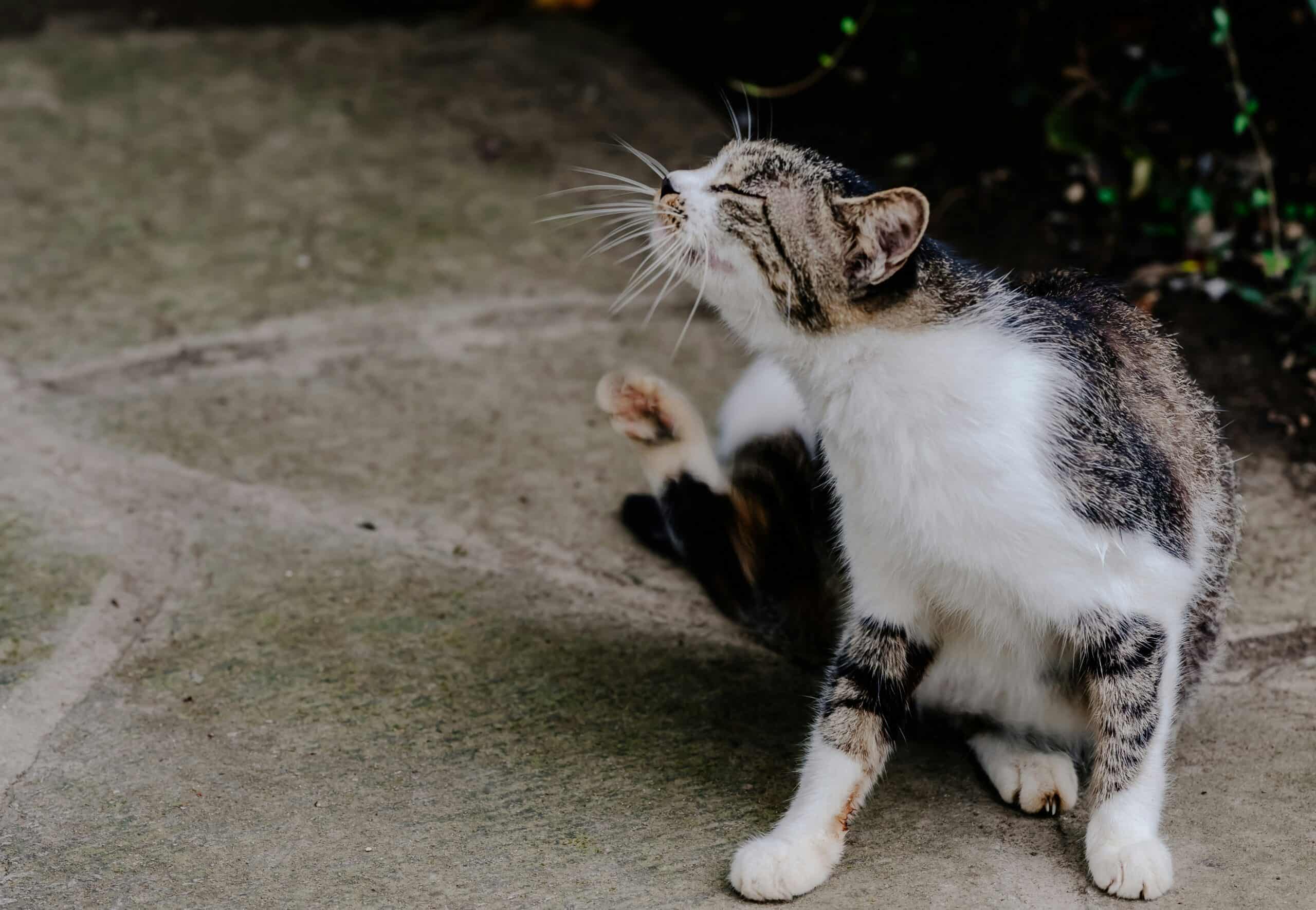
Yes, because fleas do not need the cat to go outside in order to reach it. Whether indoor cats need flea treatment is one of the more common misconceptions in cat care, and the reason it persists is that the transmission routes are all indirect.
People, dogs and secondhand furniture all carry fleas indoors. Our guide to caring for an indoor cat covers the wider preventive picture.
A Quick Note
This is general information, not veterinary advice. Flea products vary in safety and some canine products are seriously toxic to cats. Which product suits a particular cat depends on age, weight, health and other medications, so the choice belongs with a vet rather than with a label.
Quick Answer
Fleas arrive on shoes and clothing, on dogs and other pets, on secondhand furniture, through shared walls in apartments, and on rodents that get inside. Indoor cats also catch tapeworm from swallowing an infected flea while grooming. Most veterinary bodies recommend year-round parasite control for all cats. Never use a dog product on a cat.
Key Takeaways
- Fleas reach indoor cats without the cat going out.
- People carry them in on shoes and clothing.
- A dog in the household is the most common route.
- Swallowing an infected flea gives a cat tapeworm.
- Year-round control is the standard recommendation.
- Dog flea products can be lethal to cats.
| Route in | How it happens |
|---|---|
| Shoes and clothing | Fleas and eggs picked up outdoors |
| Dogs and other pets | Anything that goes outside and comes back |
| Secondhand furniture and rugs | Eggs and pupae survive in fabric |
| Shared walls and crawl spaces | Apartments and attached homes |
| Rodents and wildlife | Anything that gets into the building |
| Visitors with pets | Brief contact is enough |
| A previous infestation | Pupae can lie dormant for months |
Why the Assumption Fails
The mental model behind skipping treatment is that fleas live outside on other animals, so an indoor cat never meets one. Each step of that is only partly true.
Fleas spend most of their life cycle off the host. Eggs, larvae and pupae live in carpet, upholstery and floor cracks rather than on an animal.
That means a home can hold a flea population that the cat did not bring in and cannot avoid.
Pupae are the durable stage and can wait a long time for a host, which is why an apparently flea-free house can produce fleas after a quiet period.
The Routes That Matter Most
A dog in the house
The single most common route. A dog that walks outside daily is a delivery service.
Your own shoes and trouser legs
Fleas and eggs transfer readily from grass and soil onto fabric.
Secondhand soft furnishings
Rugs, chairs and beds can carry eggs and pupae that hatch after they arrive.
Apartment buildings
Shared walls, crawl spaces and common areas connect units. A neighbor’s infestation is not confined to their unit.
Tapeworm Is the Reason It Is Not Just Itching
Fleas are the intermediate host for the most common cat tapeworm. A cat that swallows an infected flea while grooming acquires the parasite.
Grooming is constant, so any flea on the cat is likely to be swallowed eventually. That makes a flea problem a worm problem.
The visible sign is rice-like segments near the tail or in bedding, which dry into something closer to sesame seeds. Our guide to grooming a cat covers the handling that gets you close enough to notice them.
Breaking the flea cycle is how you break that tapeworm cycle. Our roundup of cat dewormers and parasite treatments covers treating the infection once it exists.
Finding Fleas on an Indoor Cat
Adult fleas are fast and a cat’s grooming removes many of them, so seeing one is not the usual way people find out.
Flea dirt is the reliable check. Comb over a damp white paper towel and look for black specks that smear reddish brown when wet, which is digested blood.
Overgrooming, scabs along the lower back and base of the tail, and hair loss there all point the same direction.
Flea allergy makes some cats react badly to very few fleas, so a heavy infestation is not required for symptoms. Our roundup of grooming gloves and deshedding tools covers working through a coat closely enough to find the evidence.
Never a Dog Product
- Permethrin and some related compounds are toxic to cats. They appear in canine spot-ons at concentrations cats cannot tolerate.
- Do not split a dog dose. The problem is the compound, not the amount.
- Separate treated dogs from cats. A cat grooming a recently treated dog can be exposed.
- Read the species on the box every time. Packaging between the two is similar.
- Ask about age and weight limits. Kittens have stricter limits than adults.
- Mention other medications. Interactions are the vet’s call, not the label’s.
Our roundup of cat flea treatment covers feline-specific products, and our roundup of flea collars for cats covers that format specifically.
Treating the House, Not Just the Cat
Because most of the flea life cycle happens off the host, treating only the cat leaves the population in the carpet intact.
Vacuuming is genuinely effective against eggs and larvae, and it also prompts pupae to hatch, which exposes them to treatment.
Washing bedding on hot and treating every pet in the household on the same schedule are the other two pieces. One untreated pet keeps the cycle running.
Expect it to take several weeks, because you are waiting out a life cycle rather than killing a generation. Our roundup of cat litter mats covers one of the fabric surfaces worth cleaning regularly.
Year-Round or Seasonal
The Companion Animal Parasite Council recommends year-round broad-spectrum parasite control for cats, including those kept indoors.
The argument for year-round is that indoor temperatures do not have a flea season. A heated house in winter suits fleas perfectly well.
Seasonal treatment leaves gaps, and gaps are when a population establishes rather than when it stays absent.
Whether that is right for your cat is a conversation with a vet, who will weigh lifestyle, household and any health conditions. Our roundup of cat carriers for vet visits covers making that appointment less stressful.
Sources
- Companion Animal Parasite Council, guidelines on feline flea and parasite control
- American Veterinary Medical Association, pet owner information on parasite prevention
Frequently Asked Questions
Do indoor cats need flea treatment?
Yes. Fleas arrive on shoes and clothing, on dogs and other pets, in secondhand furniture, through shared walls and on rodents. Most veterinary bodies recommend year-round parasite control for all cats regardless of whether they go outside.
How do fleas get into a house?
Most commonly on a dog that goes outside, and on your own shoes and trouser legs. Secondhand rugs and upholstery can carry eggs and pupae, apartments share walls and crawl spaces, and rodents that get inside bring their own.
How do you check an indoor cat for fleas?
Comb the cat over a damp white paper towel and look for flea dirt, which is black specks that smear reddish brown when wet. Also look for scabs and hair loss along the lower back and tail base, and for overgrooming.
Can an indoor cat get tapeworm from fleas?
Yes, and it is the main reason flea control is not just about itching. Fleas are the intermediate host for the most common cat tapeworm, and a grooming cat is likely to swallow any flea on its coat.
Can you use a dog flea product on a cat?
No. Permethrin and related compounds appear in canine products at concentrations that are toxic to cats, and splitting a dose does not help because the problem is the compound. Keep recently treated dogs away from cats too.
Do you need to treat the house as well?
Usually yes, since most of the flea life cycle happens off the host in carpet and upholstery. Vacuum thoroughly, wash bedding hot, and treat every pet on the same schedule. Expect several weeks, because you are waiting out a life cycle.
Is year-round treatment really necessary indoors?
Indoor temperatures have no flea season, so a heated home suits fleas all year. Gaps in coverage are when a population establishes. Whether year-round suits your cat is a question for your vet based on household and health.
When should you see a vet about fleas?
See a vet before starting any flea product, since the right one depends on age, weight, health and other medications. Go promptly for scabbing, hair loss, heavy scratching, pale gums in a kitten, or if you suspect exposure to a dog product.
