
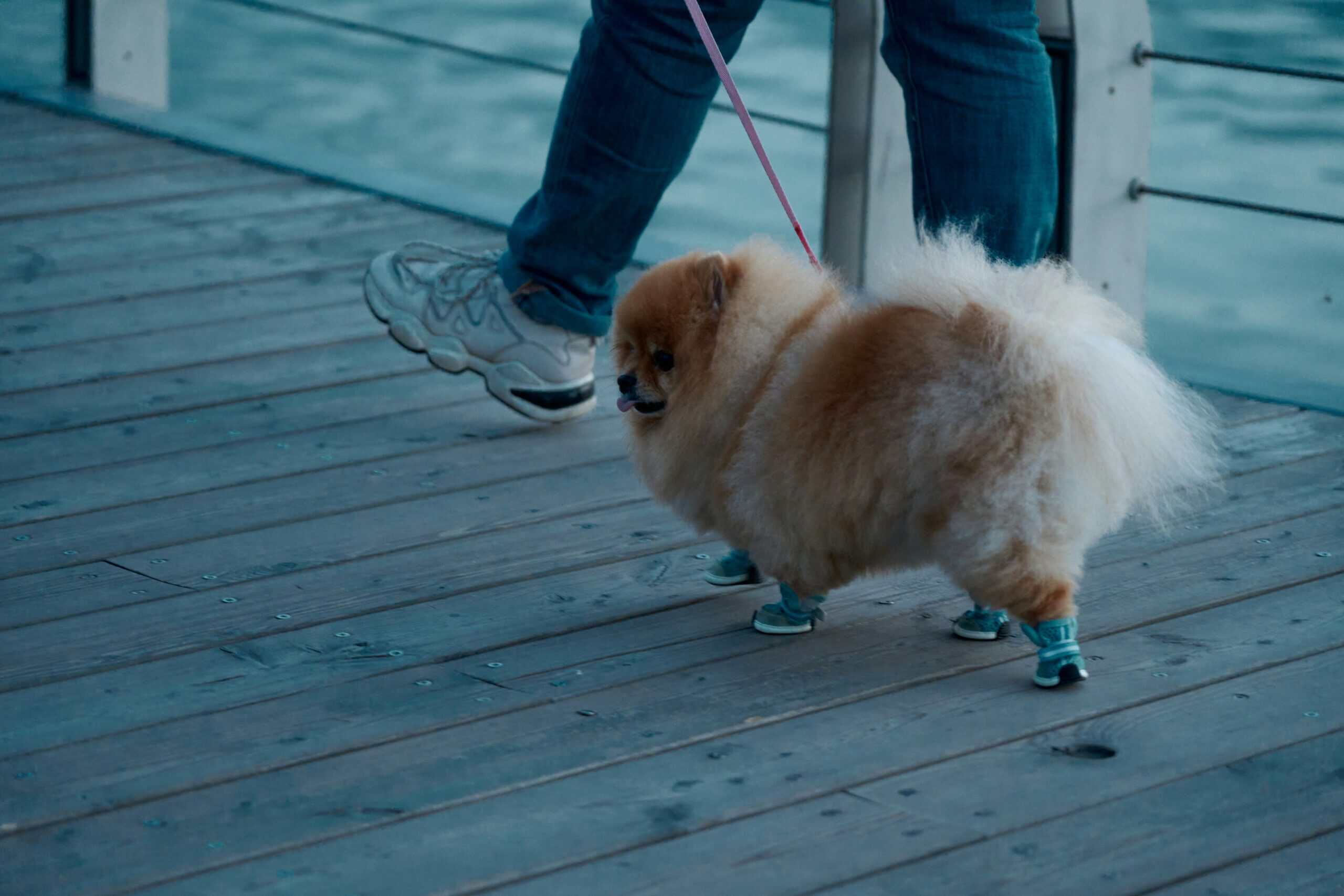
Dog winter boots protect paws from frozen ground, sharp ice, and the salt and de-icing chemicals that sting and crack pads on a walk. The best winter dog boots stay on, grip slick surfaces, and keep snow and chemicals away from sensitive paws. This guide compares insulated, rugged, and budget boots against real cold-weather use. For full cold-weather coverage, pair boots with one of our picks for cold-weather dog jackets.
Quick Verdict
QUMY Dog Boots are the best all-rounder, with a rugged sole, reflective straps, and a secure fit at a fair price. Ruffwear Grip Trex is the premium pick for serious grip and durability, and Muttluks fleece-lined boots are the warmest choice for deep cold. Fit and secure straps matter more than any single feature.
Key Takeaways
- Winter boots shield paws from ice, frozen ground, and the salt and de-icers that can irritate or crack pads.
- Fit is everything, since loose boots fall off in snow and tight ones rub, so measure your dog’s paws first.
- A grippy, rugged sole prevents slips on ice and packed snow.
- Most dogs need a short, patient break-in period before they walk naturally in boots.
Disclosure: HappyPaws is reader-supported. As an Amazon Associate, we earn from qualifying purchases made through links on this page, at no extra cost to you.
How We Picked These Dog Winter Boots
We compared fit security, traction, insulation, and protection from salt and ice, favoring boots with adjustable straps and rugged soles. Winter walks expose paws to cold surfaces and de-icing chemicals, and the American Veterinary Medical Association advises wiping or protecting paws in winter and watching for signs of cold stress, which is the practical case for boots1. We also valued reflective accents for dark winter walks, and pairing boots with a good paw balm keeps pads from drying out.
1. QUMY Dog Boots
Why It Stands Out
The QUMY boots offer a rugged anti-slip sole, two adjustable reflective straps, and a wide split-seam opening that makes them easier to put on. They balance durability, grip, and price better than most.
Worth Knowing
Getting the size right takes care, since paws between sizes can fit loosely.
Choose them if you want a dependable all-rounder. Skip them if your dog is between sizes and needs a snugger custom fit.
2. Ruffwear Grip Trex Dog Boots
Why It Stands Out
The Grip Trex uses a rugged Vibram-style outsole and a breathable, secure upper, delivering the best traction and durability here. It is built for rough, icy terrain and long winter outings.
Worth Knowing
It is the most expensive option, and the snug fit needs accurate measuring.
Choose them for serious grip and trail durability. Skip them if you want a budget pick for short neighborhood walks.
3. Muttluks Fleece-Lined Dog Boots
Why It Stands Out
Muttluks are fleece-lined for warmth and use a stretchy, leather-soled design with a secure ankle wrap, making them the cozy choice for deep cold. The soft sole molds to the paw.
Worth Knowing
The leather sole grips well on snow but is less rugged than a hard outsole on rocky ground.
Choose them for maximum warmth in cold climates. Skip them if you need an aggressive sole for rough terrain.
4. Ultra Paws Durable Dog Boots
Why It Stands Out
Ultra Paws boots use a foam-padded cuff and dual straps for a secure, comfortable fit, with a flexible sole that many dogs accept quickly. They are a comfortable mid-range pick for snow. For a look at how the two categories line up, see the boots and balm comparison.
Worth Knowing
The flexible sole is great for comfort but less rugged than a heavy outsole on ice.
Choose them if comfort and easy acceptance matter. Skip them if you want the toughest possible sole.
5. EXPAWLORER Dog Boots
Why It Stands Out
The EXPAWLORER boots deliver a rugged sole and reflective straps at a budget price, making them the value standout for everyday winter walks. The wide opening eases them onto the paw.
Worth Knowing
Durability is good for the price but not at the level of premium trail boots.
Choose them if you want solid winter boots for less. Skip them if you need them for heavy daily trail use.
6. Hipaw Reflective Dog Boots
Why It Stands Out
The Hipaw boots focus on a snug, adjustable fit with strong reflective straps and a flexible anti-slip sole, suiting smaller dogs that struggle to keep boots on. The lightweight build is easy to walk in.
Worth Knowing
The lighter build offers less insulation than fleece-lined boots for the deepest cold.
Choose them for small dogs and a secure fit. Skip them if you need heavy insulation for severe winters.
Dog Winter Boots at a Glance
| Boots | Best For | Standout Trait | Watch-Out |
|---|---|---|---|
| QUMY | Overall | Rugged, reflective, fair price | Size carefully |
| Ruffwear Grip Trex | Traction and trails | Best grip and durability | Priciest |
| Muttluks Fleece-Lined | Deep cold | Warmest lining | Softer sole |
| Ultra Paws Durable | Comfort | Padded, easy to accept | Flexible sole |
| EXPAWLORER | Value | Rugged for the price | Mid durability |
| Hipaw | Small dogs | Snug, secure fit | Less insulation |
How to Choose Dog Winter Boots
Get the Fit Right
Measure your dog’s paw width on a hard floor with weight on it, and follow each brand’s size chart. Boots that fit snugly without pinching are the ones that stay on in deep snow.
Traction
A rugged, grippy sole prevents slips on ice and packed snow, which protects both paws and joints. Look for a textured or lugged outsole for icy conditions, or add traction socks indoors for slippery floors.
Warmth and Protection
Fleece-lined boots add warmth for severe cold, while any well-sealed boot keeps salt and de-icers off the pads. Match insulation to your winters.
Securing Straps
Two adjustable straps hold better than one, and reflective straps add visibility on dark walks. Secure straps are the single best defense against lost boots.
Insulation Level
Fleece-lined boots add real warmth for severe cold, while lighter boots focus on protection and traction. Matching the insulation to your winters keeps a dog comfortable without overheating on milder days. For deep cold, a lined boot is the better choice.
Ease of Putting Them On
A wide, split-seam opening makes boots far easier to slip onto a paw, especially with a wiggly dog who would rather not cooperate. Stiff, narrow openings turn boot time into a wrestling match that can sour the whole routine before the walk even starts. Looking for a design that opens wide and then closes securely is the difference between a quick exit and a daily struggle. A boot you can get on in seconds is one your dog will actually wear all winter, which is the entire point of buying a pair.
Boots vs Paw Balm for Winter
Boots
Boots give the most complete protection, blocking ice, salt, and cold ground entirely, and they add traction. The trade is that some dogs need time to accept them.
Paw Balm
Paw balm forms a protective barrier and soothes dry, cracked pads, and it works for dogs that refuse boots. It does not, however, provide traction or block sharp ice the way boots do. Many owners use balm and boots together, and a quick wipe with a paw cleaner after walks removes leftover salt.
Common Dog Winter Boot Mistakes to Avoid
Guessing the Size
Boots that are too big slide off in snow, and too-small boots rub. Measure paws and check the size chart instead of estimating.
Skipping the Break-In
Most dogs walk oddly at first and may try to shake the boots off. Short indoor sessions with treats build comfort before the first real walk.
Ignoring Salt and Ice Between Toes
Even with boots, check between the toes after walks for trapped ice or salt. Wiping or rinsing paws after winter outings keeps pads healthy and can curb the paw licking that irritation triggers. For dogs that refuse boots, pet safe ice melt is the other way to protect their feet.
Leaving Boots on Too Long
Boots are made for walks, not all-day wear, and leaving them on indoors can trap moisture against the paw. Taking them off after each outing lets paws breathe and dry. Checking between the toes at the same time catches any trapped salt or ice.
Helping Your Dog Adjust to Winter Boots
The First Few Sessions
Most dogs walk strangely the first time they wear boots, lifting their paws high or freezing in place, and that reaction is normal. Starting indoors with short sessions and plenty of treats lets the dog connect the boots with good things. Building up to a few minutes of walking around the house before heading outside makes the transition smoother. Patience over a handful of relaxed sessions usually wins a dog over.
Getting the Fit Right
Boots that fit well are the ones that stay on, so measuring the paw with the dog’s weight on it gives the truest size. Each brand sizes differently, which makes checking the chart more reliable than guessing from another pair. A snug fit without pinching keeps boots from twisting or slipping off in deep snow. Two secure straps hold far better than one, especially on an active dog.
Protecting Paws Beyond Boots
Even with boots, checking between the toes after walks catches trapped ice or salt before it irritates the skin. A protective paw balm adds a barrier for dogs that tolerate boots only some of the time. Wiping or rinsing paws after winter outings removes de-icing chemicals that can sting and dry the pads. A simple post-walk routine keeps paws healthy through the season.
Reading Cold-Weather Cues
Lifting paws, slowing down, or whining on a walk can signal that the cold is too much, boots or not. Short-haired dogs, smaller dogs, and seniors feel the cold sooner and may need shorter outings. Pairing boots with a warm coat helps dogs that struggle in deep cold stay comfortable longer. Letting the dog’s signals guide the walk keeps winter exercise safe.
Storing and Maintaining Boots
Letting boots dry fully between walks prevents damp linings and odor from building up. Checking the soles and straps for wear keeps a worn pair from failing mid-walk on ice. Keeping the pairs together in one spot near the door makes the boots easy to grab on a cold morning. A little upkeep stretches a good pair across more than one winter.
Recommended Reading
Frequently Asked Questions
Do dogs really need winter boots?
Many dogs benefit from them in ice, snow, and salted areas, since boots protect pads from cold injury and de-icing chemicals. Short-haired dogs and those sensitive to cold gain the most.
How do I measure my dog for boots?
Place the paw on paper with the dog’s weight on it, mark the widest points, and measure the width, then match it to the brand’s size chart. Sizing by width is more reliable than by length.
How do I get my dog used to wearing boots?
Introduce them indoors in short sessions with treats and praise, letting your dog walk around before going outside. Most dogs adjust within a few patient sessions.
Will boots stay on in deep snow?
A snug fit with two secure straps is the key to keeping boots on. Loose boots are the main reason they get lost in snow.
Are winter boots warm enough on their own?
Fleece-lined boots add real warmth, while lighter boots focus on protection and traction. For severe cold, an insulated boot is the better choice.
Can boots replace wiping my dog’s paws?
Boots reduce paw contact with salt and ice, but it is still smart to check and wipe between the toes after walks. Trapped ice or salt can irritate pads.
What if my dog absolutely refuses boots?
Paw balm and traction socks are gentler alternatives that some dogs tolerate better. They offer less protection than boots but still help in milder conditions.
How tight should dog boots be?
Snug enough to stay on without slipping, but not so tight that they pinch or restrict movement. Measuring the paw with the dog’s weight on it and following the size chart gives the best fit. Two secure straps help boots stay put in deep snow.
Related Reading
Explore more: dog booster seats for cars, dog first aid kits, dog raincoats, How Often Should You Bathe Your Dog? A Coat-by-Coat Guide, dog collar vs harness, gravity dog water bowls, how to trim dog nails home, and how to calm a dog during fireworks.
Recommended Reading
See also our guides to dog doggles and sunglasses.
Sources
- American Veterinary Medical Association. Cold Weather Animal Safety. https://www.avma.org/resources-tools/pet-owners/petcare/cold-weather-safety
Feet are only part of the winter problem. Coat fit, coverage, and which dogs need one covers the rest.
