
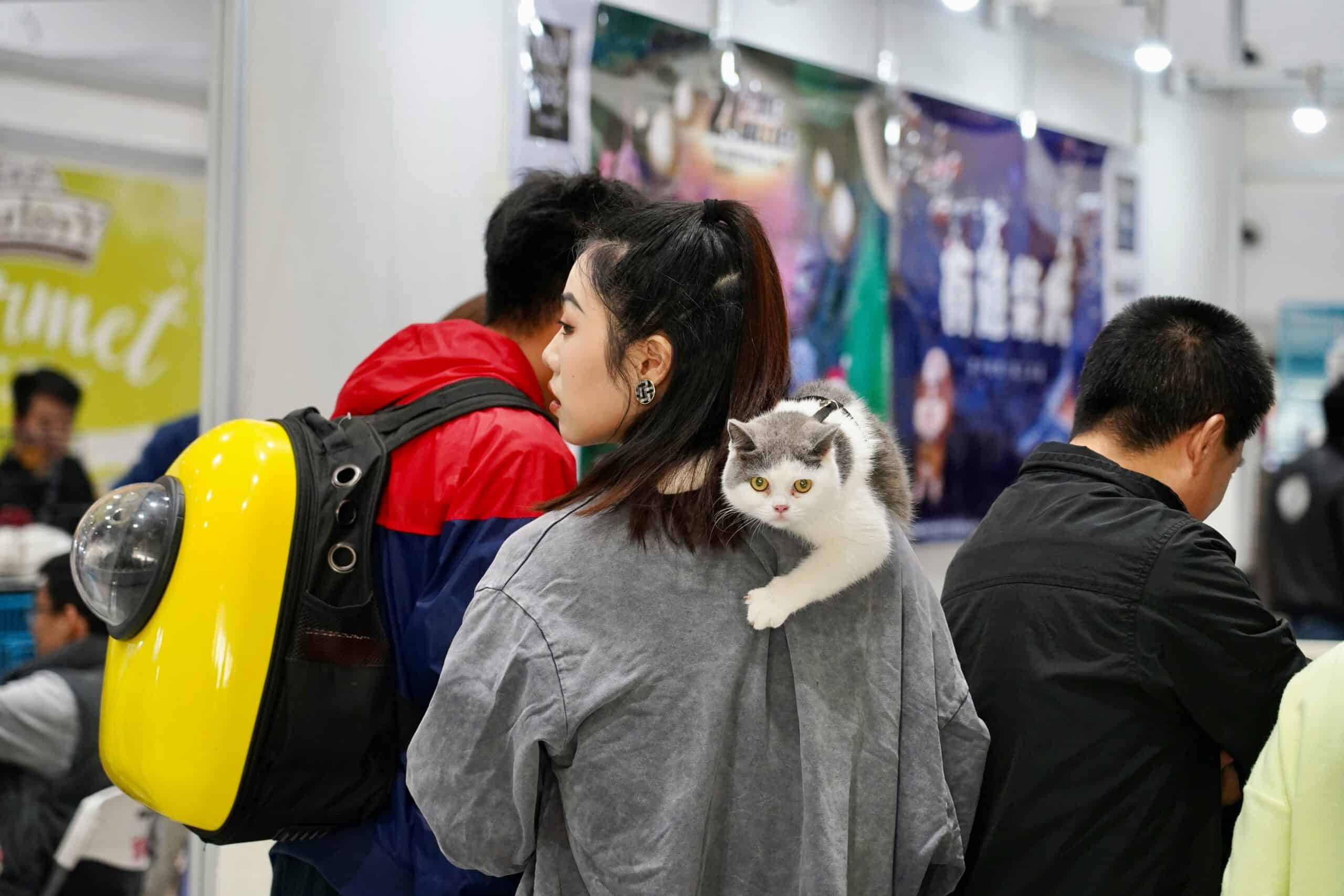
Almost every cat needs a hard sided carrier, and only cats that truly enjoy the outdoors also need a backpack. The cat carrier vs cat backpack choice looks like a gear comparison, but it turns on temperament. A carrier is transport, and a backpack is an outing.
That difference settles the argument. Transport must work on the worst day of the year, when a cat is sick or hiding. Outings happen only when the cat wants them, so how a cat handles the ride matters most.
Quick Verdict
Pick a hard sided carrier if the goal is safe travel to the clinic, the boarding facility, or a new home. Pick a backpack only if the cat walks in a harness, stays relaxed in strange places, and meets an open door with curiosity.
Key Takeaways
- A carrier handles required trips. A backpack handles optional ones.
- A removable top makes clinic exams easier.
- The bubble window sells backpacks and stresses many cats, since visibility runs both ways.
- A cat that panics in either one has answered the question.
How We Compared
The criteria below reflect what goes wrong with cat travel. Clinic handling, comfort over distance, stress behavior, cleanup, and airline rules cover the moments when a wrong choice shows.
No brand claims appear here. Fit and airflow vary between bags, so this compares formats.
Cat Carrier vs Cat Backpack at a Glance
| Criterion | Hard Sided Carrier | Cat Backpack |
|---|---|---|
| Primary job | Required transport | Optional outing |
| Clinic handling | Top lifts off | Cat gets lifted out |
| Carry comfort | One hand | Both shoulders |
| Shielding | Solid walls | Window exposes cat |
| Cleanup | Wipes down | Fabric absorbs |
| Ventilation | Vents on several sides | Depends on mesh |
| Air travel | Familiar format | Acceptance varies |
Cat Carrier, Pros and Cons
Pros
- A removable top lets staff examine a cat in the base.
- Solid walls block most stressful sights.
- Smooth plastic wipes clean fast.
Cons
- Hand carrying tires the arm within a few blocks.
- The wide shape knocks against the leg.
- It offers nothing to a cat that wants a view.
Best for: any household needing dependable transport to a clinic, a boarding stay, or a new home.
Who should skip it: nobody. Backpack households still want one.
Check Price on AmazonCat Backpack, Pros and Cons
Pros
- Weight rides on both shoulders, not one hand.
- Hands stay free for doors and fares.
- Bold cats often settle in and watch quietly.
Cons
- The bubble window exposes the cat to everything outside.
- Airflow depends entirely on mesh placement.
- Padding soaks up accidents instead of shedding them.
- Turning room is tighter than the outside suggests.
Best for: cats that walk in a harness and show interest rather than fear outdoors.
Who should skip it: anyone whose cat hides from visitors or cries in the car.
Check Price on AmazonWhich Is Better for Vet Visits?
The carrier wins, and the version that wins is hard sided with a removable top. Clinic visits go badly when a frightened cat has to be pulled through a small front door. Unclip the top instead, and the cat stays sitting in the base while clinic staff work calmly around it.
That single detail changes the tone of an appointment. Less restraint means less struggling, which usually means a shorter exam. Backpacks rarely open that way, so shoppers should start with carriers built around clinic handling rather than general travel bags.
Which Is Easier on the Person’s Hands and Back Over Distance?
The backpack wins this one outright, and it is not close. A loaded carrier hangs from one hand, drags that shoulder down, and forces a swap every few minutes. Stairs and crowded sidewalks turn a short walk into a workout.
A backpack spreads the same weight across both shoulders and hips. Walking stays balanced, and hands stay free for doors and fares. For a trip to a nearby clinic or a ride on a bus, the format difference is immediate.
No other category separates these two formats quite this cleanly.
Which Keeps a Cat Calmer?
The carrier wins for most cats, and the reason is simple. Enclosed and dark beats a panoramic view. Cats under stress look for small covered spaces, which is why a frightened cat heads under the bed.
The bubble window is the feature people buy backpacks for and the one that unsettles many cats. Visibility works both ways, so strangers lean in and dogs stare. A cat that favors covered resting spots at home has already stated a preference.
Nervous cats do better behind solid walls than behind a clear dome.
Which Suits a Cat That Genuinely Enjoys Going Out?
The backpack wins here, for the minority of cats it fits. Some cats truly like the outside world. They sit at screen doors, walk confidently in a harness, and stay loose in strange places.
For those cats a backpack turns a walk into something worth watching. Building up through harness work at home is the sane path. Outdoor time pairs with a collar that releases under pressure.
Some owners add location tracking for longer outings. That said, the backpack only earns its keep with cats it was never going to frighten.
Which Is Easier to Clean After an Accident?
The carrier wins, and hard sided models win by the widest margin. Stressed cats have accidents, and gear should assume it will happen rather than pretend otherwise.
A hard shell has smooth surfaces and a base that holds liquid instead of soaking it up. Remove the top, pull the bedding, wipe the shell, and the job is finished in minutes.
Backpacks fight back, since padding and fabric floors absorb odor and dry slowly. Odor that lingers makes the next trip harder, because the cat remembers the smell and hesitates at the opening.
Which Works Better for Air Travel?
The carrier wins, with one important caveat. Airline rules vary by airline, by route, and by cabin, so requirements must be confirmed with the specific airline before booking. Nothing here replaces that step.
The under seat carrier is the format agents see all day, and soft sided versions are common in the cabin. Backpack acceptance is less consistent, since rigid frames and tall shapes often complicate the under seat fit.
For a trip involving a plane, the carrier is the safer default. Call the airline anyway, since published rules change.
Which Fits Your Situation
| If this is you | Better choice |
|---|---|
| Cat hides at the doorbell | Hard sided carrier only |
| Regular clinic visits | Carrier with removable top |
| Cat walks calmly in a harness | Backpack, plus a carrier |
| Long walk to the clinic | Backpack, if tolerated |
| Flying in the cabin | Carrier, after checking rules |
| Two or more cats | One carrier per cat |
How to Choose Between Them
Start with the trips that are not optional. Buy the carrier first, then add a backpack only if the cat acts curious.
Size matters more than outside dimensions suggest, since padding eats interior room. A cat should stand, lie flat, and turn around inside.
Carrier training applies to both. Leave the container open at home as furniture, with a soft mat and occasional treats inside. A box that appears only before a car ride becomes a warning signal.
Multi-cat homes want one container per cat, since stressed cats redirect tension onto each other. Follow up care goes easier with simple dosing tools.
Finally, watch the cat. Constant panic, panting, or nonstop crying is information, and forcing an outing is not the answer. A cat with open mouth breathing or extreme distress should see a vet.
The Verdict
The carrier wins vet visits, calm, cleanup, and air travel. The backpack wins carrying comfort and outings for willing cats.
Every cat household should own a carrier, ideally hard sided with a removable top. A backpack is a second purchase.
Recommended Reading
Outdoor time has options beyond a bag, including enclosed outdoor spaces and roomier crates and playpens. Confident cats can also compare backpack styles.
Common Misconceptions
A backpack can replace a carrier
It cannot, for most households. Bad days call for a box that opens from the top. The backpack is an addition, not a substitute.
The bubble window is the main safety feature
Ventilation is the real safety issue, and it comes from mesh size and placement. A big window with weak airflow is worse than a plain bag with good mesh.
Two cats can share one container
Sharing backfires. Anxious cats aim stress at whoever sits closest, with no exit available.
Cat Carrier vs Cat Backpack FAQ
Is a cat carrier vs cat backpack decision really about the cat rather than the features?
Mostly, yes. The formats differ in obvious ways, but temperament decides which one fits. A cat that hides from visitors will not enjoy a bubble window however well the bag is built, while a confident harness trained cat can use either.
Should a first time cat owner buy a carrier or a backpack first?
Buy the carrier first, without hesitation. Clinic visits, boarding, and moves are not optional, and they often arrive on short notice. A backpack earns its place only after a cat shows real comfort outdoors, which takes patient practice over weeks.
Why do clinics prefer a hard sided carrier with a removable top?
Because the top comes off and the exam happens where the cat already sits. Pulling a frightened cat through a front door creates struggling for everyone. Working in the open base keeps handling brief, which usually keeps the appointment calmer and shorter.
Is the bubble window bad for cats?
It is not harmful on its own, but it is oversold. Many cats find constant visibility stressful, since the view runs both directions and strangers tend to approach. Bold cats often like it, while nervous cats do better behind a covered panel.
How much ventilation does a cat backpack need?
Enough mesh on multiple sides to keep air moving while the bag rests against a back. Airflow beats window size every time. Look for mesh on the sides and top, not one panel, and avoid anything that seals shut when loaded.
How do you get a cat used to a carrier?
Leave it open in a normal room as permanent furniture. Add a familiar blanket, drop treats inside at random, and let the cat investigate without pressure. The goal is a box that means nothing, rather than one appearing only before a car ride.
What if a cat panics in both a carrier and a backpack?
Treat that as information rather than a problem to push through. Shorten trips, cover the container with a light towel, and stop optional outings. Persistent open mouth breathing or extreme distress means the cat should see a vet rather than face more exposure.
