
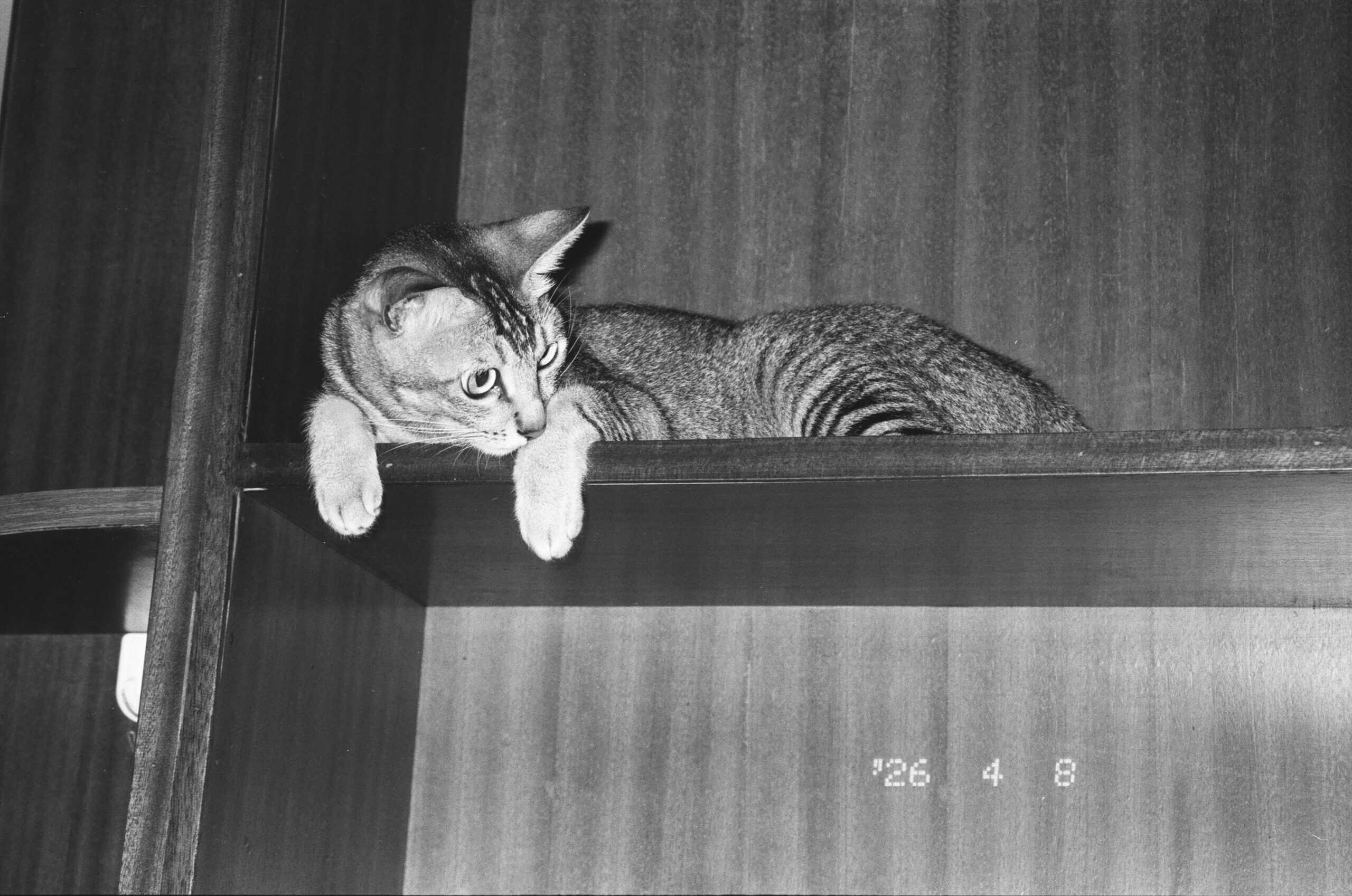
Cat climbing shelves solve a problem cat trees cannot: they use vertical wall space that is otherwise doing nothing, and they scale to a room rather than to a single footprint. A well-planned wall route gives a cat somewhere to go when a floor gets crowded, which matters in small apartments and in multi-cat homes where the floor is contested territory.
The tradeoff is that shelves require mounting into studs, planning a route, and accepting holes in your walls. A tree is furniture you place. A wall system is an installation you commit to.
| Type | Mounting | Typical capacity | Best for |
|---|---|---|---|
| Solid wood shelf | Studs required | Highest | Large cats, permanent routes |
| Carpeted shelf | Studs required | High | Grip and traction |
| Floating step set | Studs required | Moderate | Building a climbing path |
| Shelf with hammock | Studs required | Moderate | Napping at height |
| Bridge or walkway | Two anchor points | Moderate | Connecting sections |
| Corner platform | Two walls | High | Turning a route |
Key Points
- Shelves must anchor into studs, not drywall anchors alone, for anything a cat jumps onto
- Landing surfaces need grip, since a cat sliding off a smooth shelf will stop using it
- Spacing of roughly 12 to 18 inches suits most adult cats for comfortable stepping
- Every route needs a way down that is not a single long drop
- Older or heavier cats need shallower steps and shorter gaps
- A route ending nowhere gets abandoned, so plan a destination such as a perch or window
How We Picked
Load capacity came first, and it is the specification most often understated. A shelf holding a stationary cat is not the same as one absorbing a cat landing from three feet up, which briefly applies several times their body weight. Products with published dynamic capacity ranked ahead of those quoting a static figure.
Surface grip was the second criterion. Smooth varnished wood looks better in photographs and performs worse in practice. Carpet, sisal, or textured finishes let a cat land with confidence, and confidence determines whether the route gets used.
Mounting hardware finished the list. Shelves shipping with proper lag hardware for stud mounting were credited; those supplying only drywall anchors were not, since drywall anchors are not adequate for a dynamic load a cat creates.
1. The Solid Wood Wall Shelf
Why It Stands Out
Solid wood shelves carry the highest loads and last indefinitely. For large cats, for a route you intend to keep for a decade, or for a home where the shelves need to look like furniture rather than pet equipment, this is the category that delivers on all three.
Worth Knowing
Bare varnished wood is slippery. Most owners end up adding carpet squares, sisal, or adhesive grip strips, so factor that into the plan rather than discovering it after the first slide.
Right for large cats and permanent installations. Skip bare finishes for older cats, who need grip more than anyone.
Check Price on Amazon2. The Carpeted Climbing Shelf
Why It Stands Out
Carpet gives claws something to catch, which makes landings surer and steeper jumps possible. Cats generally take to carpeted shelves faster than to smooth ones, and the surface doubles as somewhere acceptable to scratch.
Worth Knowing
Carpet holds fur, dander, and odor, and most carpeted shelves are not removable for washing. In a multi-cat home expect to vacuum them regularly and replace them sooner than wood.
Right for confident climbers and homes wanting fast adoption. Skip it if anyone in the household has allergies.
Check Price on Amazon3. The Floating Step Set
Why It Stands Out
Sold as sets of four to eight small steps, these are the building blocks of a route rather than destinations themselves. Their value is flexibility: you set the rise and spacing to suit your cat and your wall rather than accepting a manufacturer’s layout.
Worth Knowing
Small steps mean small margins. A cat misjudging a narrow step has nothing to grab, so err toward closer spacing than you think necessary, especially at the start. Mark stud positions before committing to a layout, since studs rarely fall where the design wants them.
Right for custom routes and awkward wall shapes. Skip it for heavy or older cats, who need larger landing surfaces.
Check Price on Amazon4. The Shelf With Hammock
Why It Stands Out
A route needs a destination, and a fabric hammock at height is a strong one. Cats settle into suspended fabric readily, and putting the nap spot above the room is exactly what vertical territory is for.
Worth Knowing
Fabric sags over time and needs tightening, and it takes more weight through the mounting points than a flat shelf does. Removable washable fabric is worth insisting on, since this is the surface a cat will sleep on daily.
Right as the endpoint of a climbing route. Skip it as a mid-route step, since a cat cannot easily pass through it.
Check Price on Amazon5. The Bridge or Walkway
Why It Stands Out
Bridges span the gap between two mounted sections, turning separate shelves into a continuous route. A cat crossing a bridge is using the wall as a path rather than as a series of destinations, and that is when a wall system starts to change how a cat moves through a room.
Worth Knowing
Both ends must anchor into studs, which constrains span length considerably. Rope and canvas bridges flex underfoot, and nervous cats often refuse them, while rigid ladder-style bridges are accepted faster.
Right for connecting an established route. Skip it as a first purchase, before you know your cat will use the wall.
Check Price on Amazon6. The Corner Platform
Why It Stands Out
Corners are the strongest place to mount anything, because two walls mean two stud lines and a triangular platform braced on both. Corner units also let a route turn instead of running out of wall, which is what most rooms eventually require.
Worth Knowing
Corner platforms are usually deeper than they look and can dominate a small room visually. They also need the corner to be square and the studs findable on both sides, which older houses do not always provide.
Right for turning a route and for the heaviest cats. Skip it where the corner already holds furniture or a door swing.
Check Price on AmazonWhat to Look For in Cat Climbing Shelves
Will it mount into studs?
This is not negotiable for anything a cat jumps onto. Drywall anchors handle static weight and fail under repeated dynamic loading. Find the studs first, then design the route around where they actually are.
Does the surface offer grip?
Test by pressing a fingertip and dragging. If it slides easily, a landing cat will slide too. Carpet, sisal, and textured coatings all work; smooth varnish does not until you add something.
How far apart should shelves sit?
Roughly 12 to 18 inches vertically suits most healthy adult cats, with horizontal offset so they step diagonally rather than straight up. Older, heavier, or less agile cats want closer to 10 or 12 inches, and this is where routes most often get built too ambitiously.
Where does the route end and how does the cat get down?
Every climb needs a descent that is not one long drop. Plan a staircase down, or end the route near a stable piece of furniture. Cats commit to going up more readily than they plan the return.
Wall Shelves vs Cat Trees
What shelves do better
They consume no floor space, scale to any wall, and can reach heights no freestanding tree safely achieves. In a small apartment this is often the difference between having vertical territory and not.
What trees still do better
They require no drilling, they move when you move, and they arrive as a complete system with no route planning. For renters and for anyone unsure their cat wants height, a tree answers the question at lower cost. The comparison is covered in the tree and post comparison, and sizing in choosing a cat tree.
Common Mistakes
Mounting to drywall alone
The most dangerous error in this category. A shelf that holds when pressed by hand can still fail under a landing cat, and a failure at height is a serious injury.
Spacing steps too far apart
Routes get designed for an athletic young cat and then used by that cat five years later. Closer spacing costs a few more shelves and stays usable for far longer.
Building a route to nowhere
A ladder that ends at a blank wall gets climbed once. Give it a purpose: a window view, a hammock, a sunny corner. Ideas for what makes height worth using are covered in keeping an indoor cat engaged.
Ignoring what is below
Cats occasionally miss. Keep hard furniture, glass, and clutter out of the fall zone beneath a route, and think about where a startled cat would land.
Planning the Route Before You Drill
Find the studs first
Locate and mark every stud along the wall before deciding on a single shelf position. Studs are typically 16 inches apart, and that spacing determines what layout is actually possible. Designing a route first and hunting for studs afterward is how people end up mounting into drywall.
Mock it up with tape
Painter’s tape on the wall costs nothing and shows you the route at full size. Live with it for a few days and watch where your cat already jumps, since they will often reveal the path they want before you build it.
Start low and build upward
Install the first two or three pieces, let the cat use them for a week, then extend. A route built all at once can overwhelm a hesitant cat, and you learn more about their preferred spacing from watching them use a short section.
Check everything after a month
Mounting hardware loosens under repeated impact. A quick check of every bracket after the first month, and periodically afterward, catches a shelf working loose before it fails with a cat on it.
Related Reading
- tree options for limited floor space
- window perches as a route destination
- scratching surfaces to pair with a wall system
- toys that work alongside vertical space
- building an environment for a cat who stays inside
Frequently Asked Questions
How much weight should a cat wall shelf hold?
Considerably more than your cat weighs, because a landing cat briefly applies several times their static weight. Look for published capacities well above your cat’s weight and treat any figure without a stated testing method with caution.
Do I have to mount into studs?
For anything a cat jumps onto, yes. Drywall anchors are rated for static loads and are not adequate for the repeated dynamic force of a cat landing. Locate studs first and plan the route around them.
How far apart should the shelves be?
About 12 to 18 inches vertically for a healthy adult cat, with some horizontal offset so the climb is diagonal rather than straight up. Reduce that to 10 or 12 inches for older, heavier, or less agile cats.
Will my cat actually use wall shelves?
Most cats take to height readily, though it can take a couple of weeks. Placing treats on the lower steps and putting the first shelf within an easy hop of existing furniture speeds adoption considerably.
Are wall shelves suitable for older cats?
They can be, with closer spacing, larger landing surfaces, and a low first step. If your cat has become hesitant to jump, that change is worth mentioning to a veterinarian, since reduced jumping is a common early sign of joint discomfort.
Can I install these in a rental?
It means drilling into walls and patching on move-out, which many leases permit but some do not. A cat tree is the alternative that leaves no marks and moves with you.
How many shelves does a route need?
A usable route generally needs at least four or five pieces: two or three steps, a destination, and a way down. Fewer than that tends to produce a shelf a cat sits on occasionally rather than a route they travel.
