
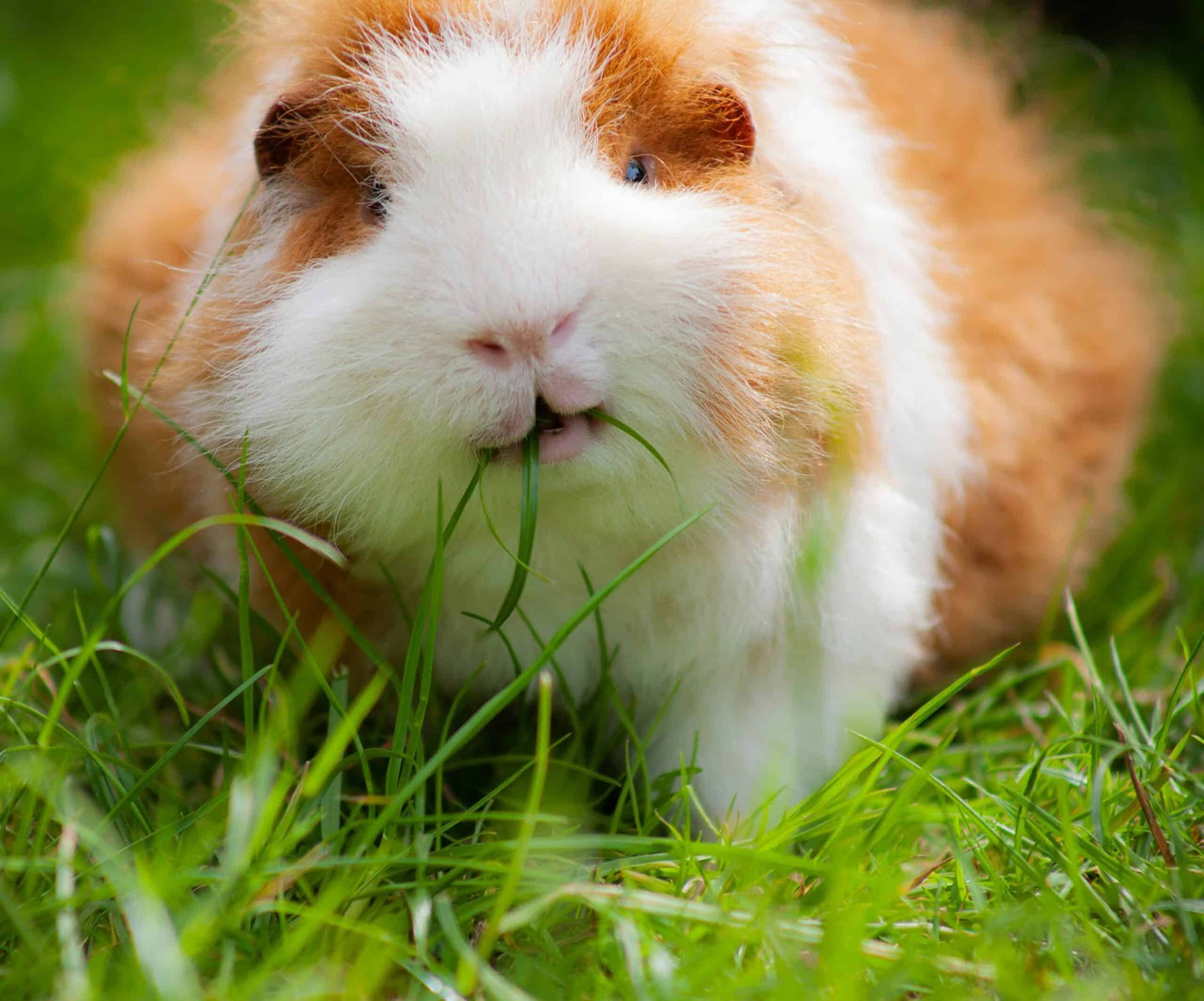
They cannot make it themselves, so every bit of vitamin C a guinea pig gets has to come from food. Why do guinea pigs need vitamin C when most animals do not is a quirk of their biology they share with people, and it is the single requirement new owners most often miss.
The rest of the diet follows the same logic as other small herbivores. Our guide to why rabbits need unlimited hay covers the fiber requirement they have in common.
Health Disclaimer
This article is general information about guinea pig husbandry. It is not veterinary advice and it cannot assess an individual animal. Vitamin C deficiency is a medical condition requiring diagnosis and treatment. Never give a supplement without veterinary direction, and see a vet promptly if an animal shows any sign of illness.
Quick Answer
Guinea pigs lack the enzyme that lets most mammals synthesize vitamin C internally, so they depend entirely on dietary sources. Fresh vegetables provide it reliably, bell peppers most of all. Fortified pellets help but lose potency with light, heat and time, so they cannot be the only source.
Key Takeaways
- The inability to synthesize it is genetic and permanent.
- Deficiency produces a real disease, not just a dull coat.
- Fresh vegetables are the dependable route.
- Bell peppers are the standout source and are well tolerated.
- Pellet vitamin C degrades in the bag over time.
- Water additives are the worst option available.
- Weekly weighing catches decline before it looks obvious.
| Source | Reliability | Why |
|---|---|---|
| Bell pepper | Excellent | High content, low sugar, readily eaten |
| Leafy greens | Good | Varies by type, rotate them |
| Broccoli and similar | Good in small amounts | Gas and gut upset if overdone |
| Parsley and coriander | Good as part of a mix | Strong, better rotated than daily |
| Fruit | Poor route | Sugar cost outweighs the benefit |
| Fortified pellets | Partial | Degrades with light, heat and age |
| Water additives | Avoid | Degrades fast, deters drinking |
| Tablet supplements | Vet direction only | Dosing is a clinical decision |
The Missing Enzyme
Most mammals manufacture their own vitamin C in the liver from glucose. It is an unremarkable piece of internal chemistry that requires one specific enzyme.
Guinea pigs do not have a functional version of it. Neither do humans, which is why scurvy has a history in our species and why the comparison is more than a curiosity.
The Merck Veterinary Manual describes guinea pigs as unable to synthesize vitamin C and therefore dependent on a dietary source, with deficiency producing a recognized clinical condition.
That dependence is absolute rather than a matter of degree. There is no reserve to draw on and no internal production to fall back on when the diet slips.
It also means the requirement is daily rather than occasional. A guinea pig fed vegetables twice a week is not getting a reduced supply; it is getting an interrupted one.
What Deficiency Actually Looks Like
The early signs are easy to attribute to something else, which is why this is worth knowing before you need it.
A rough or staring coat comes first for many animals, along with a general reluctance to move and a hunched posture. Neither looks like a nutritional problem.
Joint swelling and pain follow, producing a stiff gait or an unwillingness to be handled. Bleeding gums, loose teeth, slow wound healing and weight loss belong to the same picture.
Weight loss is the one you can catch mechanically rather than by observation. A guinea pig weighed on the same scale on the same day each week produces a trend you can read, and a steady decline is a reason to see a vet whatever else looks normal. Our roundup of pet scales covers doing that consistently.
The RSPCA describes vitamin C as an essential part of a guinea pig’s diet, with fresh leafy greens and vegetables providing it daily.
None of this is a diagnosis you make at home. It is a reason to book an appointment rather than adjust the vegetables and wait.
Where It Should Come From
Bell pepper first
Peppers carry a high content, the sugar cost is low, and most guinea pigs eat them without persuasion. Any color works, and the harder ones to obtain are not worth chasing.
Rotate the greens
Different leafy vegetables carry different amounts, and rotating them covers the variation without needing to track anything. It also reduces the risk of overdoing any single item.
Brassicas in moderation
Broccoli, cabbage and kale are good sources and can cause gas and digestive upset in quantity. Small portions within a mixed handful rather than a bowl of one thing.
Fruit is not the route
Fruit does contain vitamin C and it brings sugar that a hindgut fermenter does not need. Our note on whether rabbits can eat carrots covers the same sugar reasoning in a related species.
Why Pellets Are Not Enough On Their Own
Commercial guinea pig pellets are fortified with vitamin C, and the fortification is real. The problem is what happens to it afterward.
Vitamin C is unstable. Light, heat, humidity and simple time all degrade it, which means the content on the label describes the pellets at manufacture rather than the pellets in your cupboard.
An old bag, a bag stored somewhere warm, or a bag left open loses potency steadily. Nothing about the pellets looks different, which is what makes this a quiet failure rather than an obvious one.
Practical handling helps: buy smaller bags more often, check the date rather than the price, store them sealed somewhere cool and dark, and do not decant into a clear container on a sunny shelf.
Even handled well, pellets are a supplement to fresh food rather than a replacement for it. Guinea pig pellets are also formulated for the species, and rabbit pellets are not an acceptable substitute because the vitamin C fortification is the whole difference.
The PDSA describes a guinea pig diet as built on unlimited hay with a measured amount of species-specific pellets and a daily portion of fresh vegetables, which is the structure the vitamin C requirement sits inside.
What Not to Do
- Do not use water additives. They degrade fast and put animals off drinking.
- Do not rely on pellets alone. Potency fades invisibly.
- Do not feed rabbit pellets. The fortification is the point of difference.
- Do not give supplements unprompted. Dosing is a veterinary decision.
- Do not solve it with fruit. The sugar cost is real.
- Do not feed vegetables only some days. The requirement is daily.
- Do not treat weight loss as fussiness. Weigh weekly and act on a trend.
The water additive deserves its own mention because it is sold specifically for this purpose and it is the least effective option available. It breaks down in water within hours, it discolors and flavors the water, and a guinea pig that drinks less because of it is worse off overall.
Housing plays into this too, since animals kept in a space too small to move comfortably eat and behave differently. Our roundup of guinea pig cages covers floor space, and our guide to how much space a rabbit needs covers the same principle for a comparable animal.
Related Reading
Frequently Asked Questions
Why do guinea pigs need vitamin C?
Because they cannot synthesize it. The Merck Veterinary Manual describes guinea pigs as lacking that ability and depending on a dietary source, with deficiency producing a recognized clinical condition. Most mammals manufacture their own, so this is a species-specific requirement rather than general good practice.
What is the best source?
Bell pepper, for three reasons: high content, low sugar, and most guinea pigs eat it willingly. Beyond that, rotating leafy greens covers the variation between types without needing to track amounts, with brassicas in small portions rather than large ones.
Are fortified pellets enough?
No. The fortification is real at manufacture, and vitamin C degrades with light, heat, humidity and time, so an old or warm-stored bag has lost potency invisibly. Buy smaller bags more often, store them sealed and cool, and treat pellets as part of the diet rather than the source.
Can I use the vitamin C drops sold for water?
Avoid them. They break down in water within hours, they discolor and flavor it, and an animal that drinks less as a result is worse off than before. Fresh vegetables do the job that product is sold for.
Can I give a supplement instead?
Only on veterinary direction. Dosing is a clinical decision rather than a husbandry one, and a supplement given because an owner suspects a problem substitutes for the appointment that would identify it.
Can I feed rabbit pellets?
No. Rabbit pellets are not fortified with vitamin C because rabbits make their own, so feeding them removes the one thing guinea pig pellets are formulated to provide. The two species need different food despite looking similar in a hutch.
What does deficiency look like early?
A rough coat, reluctance to move, and a hunched posture, none of which reads as nutritional. Joint swelling, bleeding gums, poor healing and weight loss come with it. Weekly weighing on the same scale catches the decline before the rest becomes obvious.
When should I see a vet?
See a vet promptly for any of those signs, and without waiting if an animal has stopped eating, is losing weight over consecutive weeks, is reluctant to move, or is bleeding from the gums. A guinea pig that goes off food declines quickly, so this is not a wait-and-see situation.
Sources
- Merck Veterinary Manual. Nutrition and vitamin C requirements in guinea pigs.
- RSPCA. Guinea pig diet and feeding.
- PDSA. Guinea pig care and dietary structure.
