
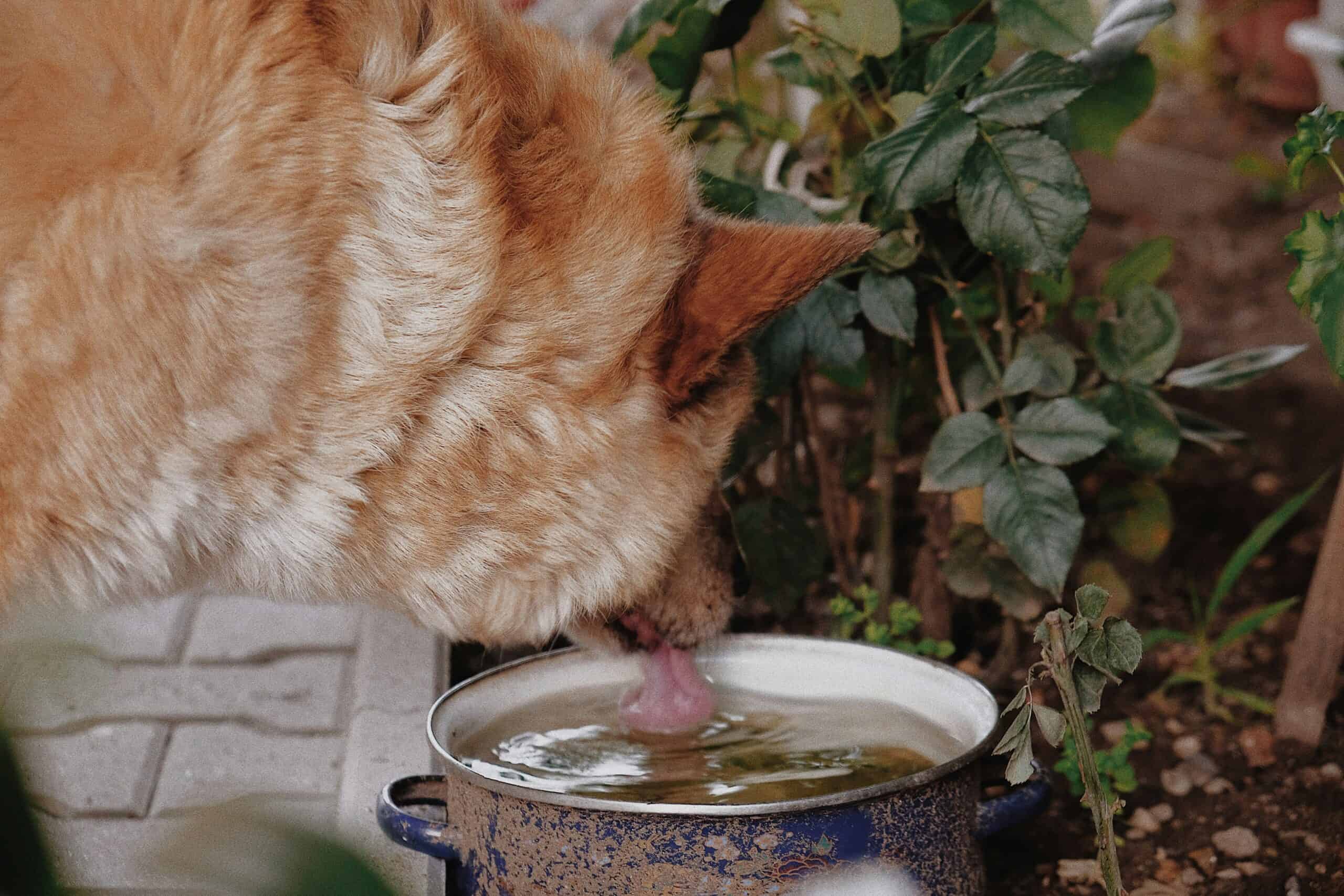
A cat food topper is something added on top of a complete diet to raise palatability or moisture, and the moisture is usually the more valuable of the two. Cats evolved from desert ancestors with a low thirst drive, and they do not reliably drink enough to make up for a dry diet. Research comparing nutritionally matched diets that differed only in moisture found that higher-moisture food increased total water intake and lowered urine concentration1. A broth or a wet topper is a small, low-effort way to move in that direction. Our roundup of cat water fountains covers the other route to the same goal.
A Quick Note
This covers everyday feeding rather than medical nutrition. A cat losing weight, refusing food, drinking noticeably more, or with a diagnosed kidney, urinary, or digestive condition needs veterinary guidance before any diet change, since toppers alter calorie and mineral intake.
Cat Food Toppers at a Glance
| Type | Adds moisture | Adds calories | Best for |
|---|---|---|---|
| Broth or bisque | Most | Very little | Hydration on a dry diet |
| Wet food topper | Yes | Moderate | Transitioning to wet |
| Freeze-dried raw | None unless rehydrated | Concentrated | Picky eaters |
| Puree or lickable tube | Some | Low | Medication and appetite |
| Goat milk or kefir | Yes | Moderate | Variety, sensitive stomachs |
| Dry sprinkle topper | None | Low | Flavor only |
The short version: a plain broth adds the most water for the fewest calories, which is the reason to buy a topper at all if your cat eats dry food. Freeze-dried and sprinkle toppers solve palatability instead, and neither does anything for hydration unless you rehydrate them yourself.
How We Picked
Toppers are grouped by what they actually contribute, since moisture and palatability are different problems with different answers. Calorie load matters throughout, because anything added on top displaces a complete diet if portions are not adjusted.
Descriptions come from how each format behaves at the bowl rather than from feeding trials with a particular cat.
1. A Plain Broth or Bisque, Best Overall
Why It Stands Out
Broth is mostly water with enough flavor that a cat drinks it willingly, which is the whole point. It raises daily water intake without meaningfully changing the diet underneath.
The American Animal Hospital Association notes that a higher-moisture diet helps dilute urine and increase urination, which makes conditions less favorable for crystal formation2. A broth is a partial version of that effect for cats who will not eat wet food.
Worth Knowing
Read the label for onion and garlic, both of which are toxic to cats and appear in broths made for people. Sodium content matters too, so buy a broth formulated for cats rather than repurposing one from the kitchen.
This suits any cat on a mostly dry diet. Skip it if your cat already eats wet food at every meal.
2. A Wet Food Topper, Best for Transitioning
Why It Stands Out
A spoonful of wet food over kibble is the simplest way to start moving a cat toward a higher-moisture diet. It introduces the texture gradually, which matters because cats form strong food preferences early and resist abrupt changes.
Wet toppers also cover the bowl surface, which helps with cats that leave kibble sitting.
Worth Knowing
Wet food adds real calories, so reduce the kibble rather than adding on top of a full portion. Uneaten wet food also spoils within a couple of hours, which changes how you feed. Our comparison of wet and dry cat food covers the full trade.
This suits cats you want to move to wet food. Skip it if portions are already tight.
3. A Freeze-Dried Raw Topper, Best for Picky Eaters
Why It Stands Out
Freeze-dried meat carries intense aroma, and aroma is what drives a cat to a bowl. For a cat refusing a diet you need them to eat, crumbling this over the top often works when nothing else does.
It also stores at room temperature and portions easily, which suits occasional use.
Worth Knowing
Dry as sold, it adds no moisture at all, though rehydrating it with warm water turns it into something closer to a broth. Calories are concentrated, so a small amount goes further than it looks.
This suits fussy cats and appetite problems. Skip it if hydration is your goal and you will not rehydrate it.
4. A Lickable Puree Tube, Best for Medication and Appetite
Why It Stands Out
Squeeze tubes deliver a smooth high-value puree that most cats take directly, which makes them useful for hiding medication and for coaxing a cat who has gone off food.
They also work as a reward during handling, grooming, or a carrier introduction, where a distracted cat is an easier cat.
Worth Knowing
These are treats rather than nutrition, and it is easy to lose track of how many go in over a day. Check with your vet before using one to hide medication, since some drugs should not be given with food.
This suits medication and appetite support. Skip it as a routine daily addition. Our roundup of pill pockets and medication tools covers the alternatives.
5. A Goat Milk or Kefir Topper, Best for Variety
Why It Stands Out
Fermented goat milk pours easily, adds moisture, and appeals to cats that ignore meat-flavored toppers. The fermentation lowers lactose compared with cow’s milk, which is why it suits cats better.
It also mixes into kibble without leaving the dry pieces sitting in liquid the way a thin broth can.
Worth Knowing
Lower lactose is not none, and some cats still react. Introduce a small amount and watch for loose stool over a couple of days. Our guide to food for sensitive stomachs covers cats who react to changes generally.
This suits cats bored of meat toppers. Skip it for a cat with a known dairy sensitivity.
6. A Dry Sprinkle Topper, Best for Flavor Only
Why It Stands Out
Powdered and crumbled toppers add taste with almost no calories and no preparation. For a cat that just needs a reason to finish the bowl, this is the least disruptive option available.
They also keep indefinitely once opened, unlike anything wet.
Worth Knowing
Nothing here helps with hydration, which is the main reason most people reach for a topper. Treat it as a palatability tool and nothing more.
This suits cats that need encouragement rather than water. Skip it if moisture is the goal.
What to Look For in a Topper
What are you actually solving?
Hydration and palatability need different products. Broth for water, freeze-dried or sprinkle for interest. Buying the wrong category is the most common mistake here.
Does it contain onion or garlic?
Both are toxic to cats and both appear in broths made for people. Buy a product formulated for cats and read the ingredients rather than assuming a plain-sounding broth is safe.
How many calories does it add?
Toppers displace the complete diet underneath if portions stay the same. Reduce the base food to match, since a topper is not nutritionally complete on its own.
Will your cat eat it twice?
Cats habituate to flavors quickly, and a topper that works this week may be ignored next month. Buying small first is cheaper than discovering that with a bulk pack.
Broth or Wet Food?
The case for broth
Maximum water for minimum calories, and it works over a dry diet you do not otherwise want to change. For a cat on kibble whose water bowl goes untouched, this is the least disruptive intervention available.
The case for wet food
It replaces part of the diet rather than sitting on top, so the moisture comes with nutrition rather than alongside it. Water presentation also matters independently of food, and a study comparing still, circulating, and free-falling bowls looked directly at how delivery affects intake3. Our roundup of wide bowls for whisker comfort covers the bowl side.
What Trips People Up
Adding a topper without reducing the meal
Toppers are calories. Left unadjusted, they push a cat over their daily intake and dilute the balance of the complete diet underneath.
Using human broth
Onion and garlic are common in stock made for people and both are toxic to cats. Sodium levels are also far higher than a cat needs.
Treating a topper as a fix for not eating
A cat that suddenly stops eating needs a vet rather than a tastier bowl. Cats develop serious liver problems after even short periods without food, and masking the symptom delays diagnosis.
Expecting freeze-dried to hydrate
It contains almost no water as sold. Rehydrating it changes that; sprinkling it dry does not. Our guide to pets that will not drink covers the wider hydration problem.
Worth reading next: our urinary health food picks, notes on slow feeder bowls, our senior cat food roundup, and a guide to cat probiotics, and choosing cat gear.
Cat Food Topper FAQ
Are cat food toppers actually worth it?
For hydration, yes. Cats have a low thirst drive and often do not drink enough to compensate for a dry diet, and research comparing diets differing only in moisture found higher-moisture food raised total water intake and lowered urine concentration. For flavor alone, a topper is a convenience rather than a health measure.
Can I use chicken broth from the supermarket?
No. Broth made for people commonly contains onion or garlic, both toxic to cats, and sodium far above what a cat needs. Buy a broth formulated for cats, and read the ingredient list rather than trusting the front of the pack.
How much topper should I add?
Enough to get the effect you want without displacing the complete diet underneath. Toppers are not nutritionally complete, so reduce the base food to keep total calories the same. Your vet can give a specific figure for your cat’s weight and condition.
Will a topper help my cat drink less water?
That is the expected pattern rather than a problem. Cats getting more water from food drink less from the bowl, and total intake is what matters. A sudden increase in drinking is the change worth raising with a vet, since it can signal kidney disease, diabetes, or thyroid issues.
Do freeze-dried toppers add moisture?
Not as sold, since freeze-drying removes almost all water. Rehydrating the topper with warm water before serving turns it into something closer to a broth. Sprinkled dry, it addresses palatability only.
Is goat milk safe for cats?
Fermented goat milk has less lactose than cow’s milk and suits many cats, though not all. Introduce a small amount and watch for loose stool over a couple of days. Cats with a known dairy sensitivity should skip it.
My cat stopped eating. Will a topper fix it?
Treat this as a veterinary matter rather than a feeding one. Cats can develop serious liver complications after a short period without eating, and a sudden appetite loss usually indicates pain, nausea, or illness. Get an exam first, then discuss appetite support.
Can toppers replace wet food?
They supplement rather than replace it. A broth adds water without nutrition, and wet food provides both together. If your cat will eat wet food, that is the more complete route; toppers are for cats who will not.
Sources
- Buckley CMF, Hawthorne A, Colyer A, Stevenson AE. Effect of dietary water intake on urinary output, specific gravity and relative supersaturation for calcium oxalate and struvite in the cat. British Journal of Nutrition 2011;106(S1):S128-S130. Nutritionally standardised diets differing only in moisture content; higher dietary moisture increased total water intake and lowered urine specific gravity. View source
- American Animal Hospital Association. Wet Cat Food: More Than a Meal, a Key Ingredient for Feline Wellbeing. A high-moisture diet helps dilute urine and increase urination, making conditions less conducive to crystal formation. View source
- Robbins MT, Cline MG, Bartges JW, et al. Quantified water intake in laboratory cats from still, free-falling and circulating water bowls, and its effects on selected urinary parameters. Journal of Feline Medicine and Surgery 2019;21(8):682-690. View source
When should I talk to a vet?
Before any significant change to diet or routine for a pet with a health condition, and promptly if you notice changes in appetite, drinking, weight, energy, or toileting. Those can indicate conditions worth catching early, and they are not things a product resolves.
