
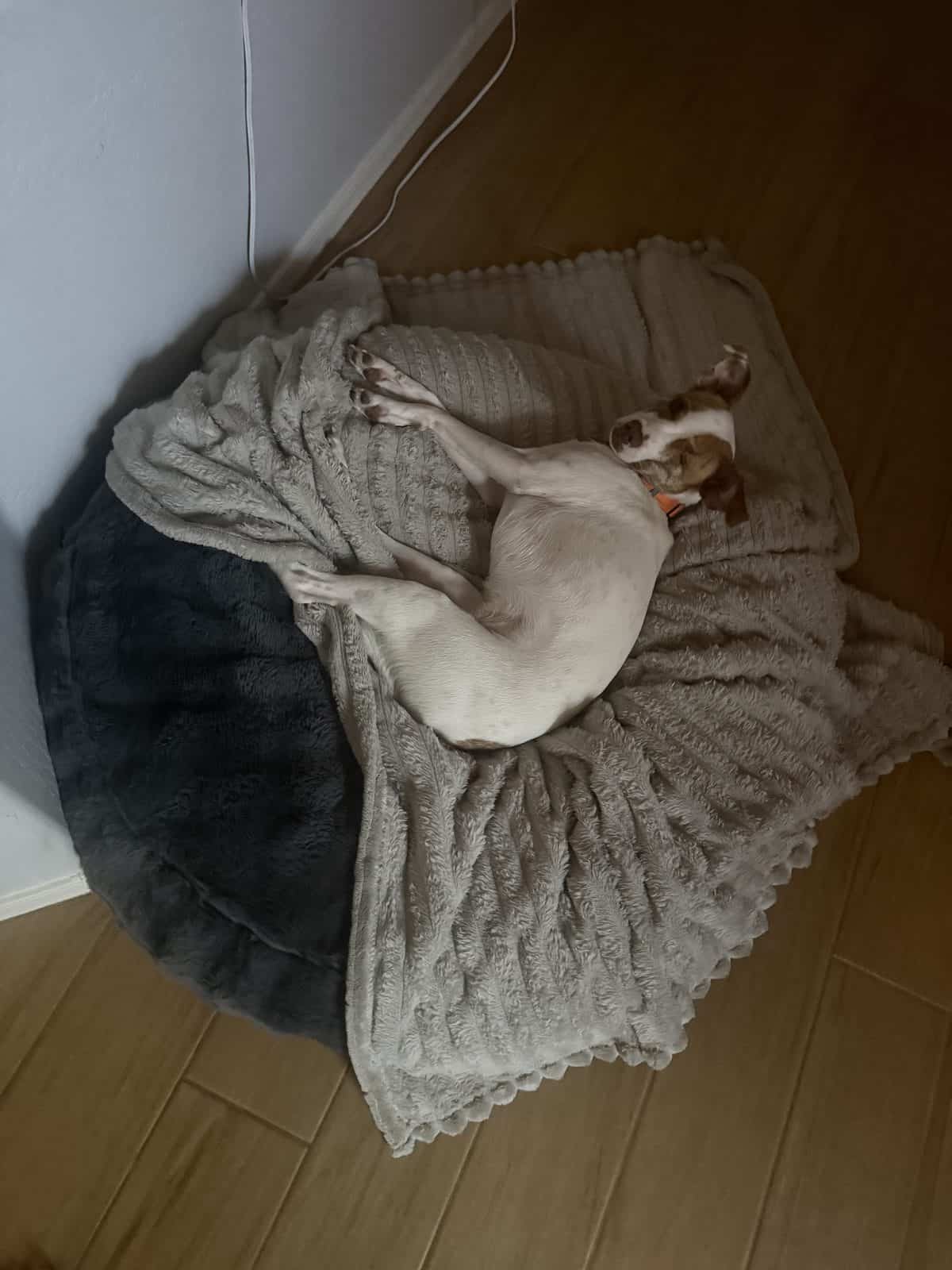
Most dog beds should be replaced every one to three years, though the timing depends on the bed’s quality, your dog’s size and habits, and how much use it gets, with flattened padding and lingering odor being the clearest signs. Knowing how often to replace a dog bed is really about watching for wear rather than counting years. Below are the signs to watch for, and if it is time for a new one, our washable dog bed picks hold up well to daily use.
Quick Answer
Replace a dog bed every one to three years on average, or sooner if the padding has flattened and no longer cushions, the bed smells even after washing, or the cover is torn or chewed. High-quality beds and washable covers last longer. Daily use is the biggest factor in how quickly a bed wears out. For more on this, see our guide to a replacement cover instead.
Why Trust This Guide
My dog uses her plush cushion bed every single day, so I know how much daily use asks of a bed. That constant, everyday wear is the single biggest factor in how long a bed lasts, which is why the guidance here focuses on how hard a bed is used rather than just its age.
Key Takeaways
- Most beds last one to three years with regular use.
- Flattened padding that no longer cushions is the top sign.
- Odor that survives washing means it is time.
- Daily use wears a bed faster than occasional use.
- Washable covers and quality fill extend a bed’s life.
Signs It’s Time to Replace a Dog Bed
The bed itself tells you when it is done. The clearest sign is flattened padding: press on it, and if it no longer springs back or your dog is essentially lying on the floor, the support is gone. Persistent odor that remains after washing is another, since it means bacteria and oils have worked deep into the fill. Also watch for torn covers, exposed or clumping stuffing, and a cover that no longer zips or fastens. For older dogs especially, a bed that has lost its cushioning stops providing the joint support they need. When you see these signs, replacement beats trying to patch it.
How Long Do Dog Beds Last?
| Bed type | Typical lifespan | What shortens it |
|---|---|---|
| Basic cushion or pad | 1 to 2 years | Daily use, flattening |
| Plush or bolster bed | 2 to 3 years | Heavy use, washing wear |
| Memory foam or orthopedic | 3 to 5 years | Foam breakdown over time |
| Elevated cot style | 3 to 5 years | Fabric sagging, chewing |
These are general ranges. A bed used all day by a large dog wears out faster than the same bed used occasionally by a small one, so treat lifespan as a guide and let the condition of the bed make the final call.
What Shortens a Dog Bed’s Life
A few factors speed up wear. Constant daily use compresses the fill fastest, which is why a favorite bed wears out sooner than a spare. Frequent washing, while necessary for hygiene, gradually breaks down fibers and fill over time. Chewing, digging, and scratching damage covers and let stuffing escape. Larger and heavier dogs compress padding more quickly, and moisture from drool, accidents, or damp fur accelerates breakdown and odor. None of these mean you should use the bed less, they just help you anticipate when a well-loved, hard-working bed will need replacing.
Repair or Replace?
Some issues are worth fixing, others are not. A torn or stained cover on a bed with good padding is often worth replacing on its own, especially if the manufacturer sells replacement covers, which extends the bed’s life cheaply. Adding a washable cover or topper can refresh a bed that is only lightly worn. But once the core padding has flattened and lost its support, no cover will bring the comfort back, and that is the point to replace the whole bed. As a rule of thumb, fix the cover when only the fabric is worn, but replace the whole bed once the fill itself has given out and lost its support.
How to Make a Dog Bed Last Longer
A little care buys extra months. Choose a bed with a removable, washable cover so you can clean it without soaking the fill, and wash it regularly following the care label to prevent odor and buildup, as covered in our guide on how to clean a dog bed. Rotate or flip the bed occasionally so it wears evenly, and use a waterproof liner if your dog is prone to accidents or drool. For dogs who chew, a chew-resistant bed lasts far longer. These small habits keep a bed comfortable and hygienic well into its expected lifespan.
Does Washing Wear a Dog Bed Out Faster?
Washing is necessary, but it does gradually wear a bed, which is why how you wash matters. Frequent hot washes and high-heat drying break down fibers and fill faster than gentle care, so following the label with cooler water and low heat extends the bed’s life. The best defense is a removable, washable cover: you clean the cover often while the inner fill stays protected and lasts far longer. Beds with no removable cover force you to wash the whole thing, which wears the padding sooner. So washing itself is not the enemy, it is over-washing the fill directly, and a good cover solves that while keeping the bed hygienic.
Plan Ahead for Replacement
Because a well-used bed wears gradually, it helps to plan for the next one rather than scramble when it gives out. Keeping a spare or a washable second cover on hand means your dog is never without a comfortable spot while one is in the wash or on its way out. It also lets you rotate two beds, which spreads the wear and makes both last longer. For dogs who use a bed daily, treating replacement as routine upkeep, not an emergency, keeps them comfortable and saves you a last-minute purchase.
Recommended Reading
- how to clean a dog bed, keep it fresh longer.
- the best washable dog beds, built for daily use.
- the best plush dog beds, for a comfy replacement.
- chew-proof dog beds, if yours chews.
- what size dog bed you need, sizing the new one.
Replacing a Dog Bed FAQ
How often should you replace a dog bed?
On average every one to three years, depending on quality and use. Replace sooner if the padding has flattened, the bed smells after washing, or the cover is torn or chewed. Higher-quality beds and memory foam can last longer.
How do I know if my dog’s bed is worn out?
Press the padding; if it does not spring back and your dog is lying on the floor, the support is gone. Lingering odor after washing, torn covers, and clumping or exposed stuffing are other clear signs it is time for a new bed.
Do memory foam dog beds last longer?
Usually yes. Quality memory foam and orthopedic beds often last three to five years because the foam resists flattening better than loose fill. They still break down eventually, so watch for foam that no longer rebounds or has developed permanent dips.
Can I just replace the cover instead of the whole bed?
If the padding is still supportive, yes. Replacing a torn or stained cover on an otherwise good bed is cost-effective, especially when the maker sells spare covers. But once the fill has flattened, a new cover will not restore comfort, and the whole bed needs replacing.
Does daily use wear out a dog bed faster?
Yes. Constant daily use compresses the padding faster than occasional use, which is why a dog’s favorite everyday bed wears out sooner than a spare. My dog uses hers every day, and that steady use is the main thing that determines a bed’s lifespan.
How can I make a dog bed last longer?
Choose a washable cover, clean it regularly, rotate or flip the bed for even wear, and use a waterproof liner if needed. For chewers, a chew-resistant bed helps. These habits keep the bed hygienic and comfortable throughout its expected life.
Is it worth buying a more expensive dog bed?
Often yes, if it lasts longer. Better fill and durable, washable covers resist flattening and wear, so a quality bed can outlast two cheap ones. For a dog who uses their bed daily, the longer lifespan usually justifies the higher upfront cost.
For the full picture: the foundation steps for choosing the right dog bed.
