
For the foundational guidance behind these picks, see the complete dog nutrition framework.
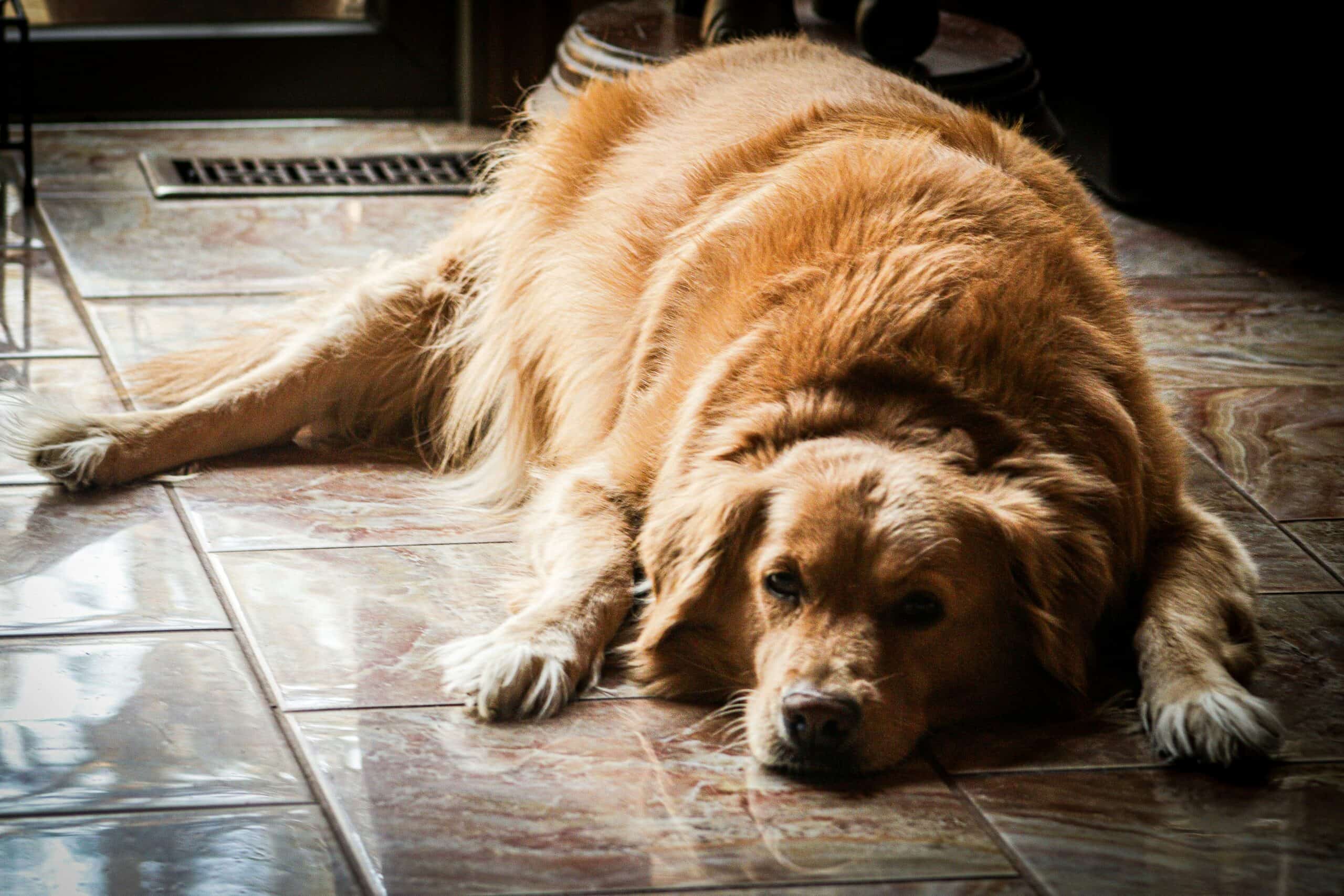
Not sure whether your dog is carrying a few extra pounds? The signs your dog is overweight are easier to spot than most owners think, from a waist you can no longer see to ribs you can no longer feel. Catching it early makes the problem far easier to address. Comparing options? See our best washable dog beds roundup.
Key takeaways
- You should be able to feel the ribs without pressing hard.
- A visible waist from above and a tucked belly from the side are good signs.
- Low energy and trouble grooming can point to excess weight.
- Overfeeding, too many treats, and low activity are the usual causes.
- A vet’s body condition score confirms what a home check suggests.
How to Check Your Dog at Home
A quick hands-on check tells you a lot before you ever reach the vet. It takes about a minute and uses no equipment. Two simple tests do most of the work.
The Rib Test
Run your hands along your dog’s sides. You should feel the ribs with only a thin layer of cover, without pressing hard.1 If the ribs are hard to find, that points to excess weight.
The Waist and Belly View
Look down from above for a waist that narrows behind the ribs, then look from the side for a belly that tucks up rather than sags. A straight or bulging outline from above suggests extra pounds. Together the two views give a clear read.
Physical Signs Your Dog Is Overweight
Beyond the body check, a dog’s shape gives clear clues. These are the signs owners notice once they know to look. They build on the rib and waist tests above.
No Visible Waist
A healthy dog narrows behind the ribs when viewed from above. When that waist disappears and the body looks oval, weight is usually the reason. Fat pads over the hips and the base of the tail can appear too.
Sagging or Rounded Belly
A belly that hangs low or looks rounded rather than tucked is a common sign. It often shows up alongside a thicker neck and broader back. None of these signs is subtle once you compare your dog to a lean body shape.
Behavior and Energy Changes
Weight shows up in how a dog acts, not just how it looks. These changes are easy to miss because they come on slowly. Watching for them rounds out the picture.
Low Energy and Reluctance
An overweight dog may tire quickly, lag on walks, or seem reluctant to play. Extra weight makes movement harder, so activity often drops. That drop then feeds further weight gain.
Trouble Grooming and Moving
Difficulty grooming, getting up, or climbing stairs can signal that weight is straining the body. Heavy panting after light activity is another flag worth noting. These struggles are the body telling you the load is too high.
What Causes Dogs to Gain Weight
Understanding the causes helps you prevent and reverse the gain. Most cases trace to a few familiar sources. Knowing them points you to the fix.
Overfeeding and Treats
The most common cause is simply too many calories, often from generous portions and frequent treats.2 Measuring food and counting treats addresses most of it. Table scraps and training treats are the usual hidden culprits.
Too Little Activity
Low activity lets calories pile up, especially in bad weather or busy households. Regular walks, play with an automatic ball launcher, or a dog treadmill keep a dog moving. Movement matters even when the weather keeps you indoors.
Age and Health Factors
Older dogs slow down and may gain weight, and some medical conditions contribute as well. Our senior dog care guide covers gentle activity for aging dogs, and a vet can rule out underlying causes. Age changes the math, so the plan changes too.
What to Do If Your Dog Is Overweight
Spotting the signs is step one. The next steps turn that into a plan. Start with confirmation, then act.
Confirm With Your Vet
A vet uses a body condition score to confirm weight status and set a healthy target. They can also rule out medical causes, which keeps any plan safe. That visit grounds the whole effort.
Start a Safe Plan
From there, portion control, the right food, and gradual exercise do the work. Our guide on how to help your dog lose weight walks through the steps, and our best dog food for weight management covers food options. Slow, steady loss is the goal.
Keep Weight Off Long Term
Once your dog reaches a healthy weight, a few habits keep it there. Maintenance is easier than another round of weight loss. Build the routine and hold it.
Consistent Routine
Measured meals, controlled treats, and regular activity maintain progress. A puzzle toy keeps a food-motivated dog busy without extra calories. Consistency is what prevents the slow creep back.
Stay Active Year-Round
Keep moving even in bad weather, using indoor play or a treadmill when needed. Activity protects the gains and the dog’s mood. A steady routine beats stop-start effort.
The Body Condition Score Explained
Vets do not eyeball weight; they use a consistent scale. Knowing how it works lets you read your own dog more accurately. It also makes the vet visit easier to follow.
What the Scale Measures
The body condition score rates a dog from underweight to overweight based on how easily you can feel the ribs, see a waist, and find a belly tuck.2 It judges body shape, not just the number on a scale. Two dogs of the same weight can score very differently.
That is why the score focuses on shape rather than a single number on a scale. A muscular dog and a soft one can weigh the same yet sit at opposite ends of the range. The hands-on feel is what separates them.
How Vets Use It
A vet assigns the score by look and feel, then uses it to set a healthy target and track progress. It turns a vague impression into something you can measure over time. Asking for your dog’s score gives you a clear baseline.
Health Risks of Excess Weight
Extra weight is more than a cosmetic issue. It changes how a dog feels and raises the odds of several problems. That is the real reason to act early.
Joints and Mobility
Carrying extra weight strains the joints and makes everyday movement harder. Over time it can worsen stiffness and reduce a dog’s willingness to play or walk. Keeping a dog lean protects its mobility as it ages.
Less weight means less load on the joints with every step, walk, climb, and jump a dog makes throughout the day. Many owners notice a lighter dog moving more freely and showing more interest in play. That improvement is one of the clearest payoffs of reaching a healthy weight.
Other Health Conditions
Excess weight is linked to a range of health problems and can shorten a dog’s comfortable, active years.1 A lean body lowers that burden. This is why vets treat weight as a health priority, not an afterthought.
How to Weigh Your Dog at Home
Regular weigh-ins catch changes before they show. You can do this at home between vet visits. The method depends on size.
Small Dogs
Step on a bathroom scale holding your dog, note the total, then weigh yourself alone and subtract. The difference is your dog’s weight. Doing it the same way each time keeps the trend reliable.
Large Dogs
Bigger dogs may not sit still to be held, so many owners use the walk-on scale at a vet’s office, which is often free between visits. Keeping a simple log of the numbers shows the trend. A steady record tells you whether a plan is working.
Weighing on the same scale, at a similar time, keeps the numbers comparable. A monthly entry is enough to reveal a trend without becoming a chore. Bring the log to vet visits so your vet can adjust the plan using real numbers instead of a rough guess, which makes each appointment shorter and more useful.
Breed and Age Differences in Weight
A healthy shape is not identical for every dog. Build and age both change what to look for. The hands-on checks still apply across the board.
Breed Build
Breeds vary widely in frame, so a healthy waist on one looks different on another. The rib, waist, and belly checks still work, since they judge body cover rather than a number on a scale. Your vet can give a target suited to your dog’s breed and frame.
Age and Metabolism
Puppies, adults, and seniors carry and burn weight differently, and older dogs tend to gain as they slow down. A weight that was healthy at three may need adjusting at ten. Reassess as your dog ages rather than assuming the same portion fits forever.
Tracking Changes Over Time
Weight creeps up slowly, so regular tracking catches it early. A simple habit beats relying on memory. The trend matters more than any single reading.
Photos and Logs
Take occasional photos from above and the side, and jot down weigh-in numbers. Side-by-side images reveal changes the daily eye misses. A short log turns a vague hunch into a clear trend you can act on.
What a Healthy Trend Looks Like
For a dog losing weight, slow and steady is the goal, with the ribs and waist becoming easier to find over time. For a dog at a good weight, the aim is a flat, stable line. Sudden changes in either direction are worth a vet’s attention.
Preventing Weight Gain in the First Place
Keeping a dog lean is easier than reversing weight gain later. A few steady habits do most of the work. Prevention beats correction every time.
Portion Habits
Measure meals rather than free-feeding, and count treats and chews within the daily total. Set meals at fixed times so you always know how much your dog eats. Consistent portions keep weight from creeping up unnoticed.
Staying Active
Regular walks and play keep calories in check and a dog in good shape. Mix in enrichment and indoor options so activity continues through bad weather. A dog that moves daily holds a healthy weight far more easily.
A Monthly Home Check Routine
A quick monthly check catches weight changes before they become a problem. It takes a couple of minutes and needs nothing special. Make it a regular habit.
Run your hands along your dog’s sides to feel for the ribs without pressing hard, then look from above for a waist and from the side for a belly tuck. If the ribs are getting harder to find or the waist is fading, weight is creeping up. Catching that early makes it far easier to correct.
Add a weigh-in using a bathroom scale for small dogs or the walk-on scale at your vet for larger ones, and jot the number down. Occasional photos from above and the side make slow changes obvious. Keeping this short record turns a vague impression into a clear trend, and a steady or improving trend tells you the routine is working.
Common Mistakes Owners Make
A few patterns let weight creep up or stall a recovery. Watch for these.
Judging by looks alone misses early weight gain. The hands-on rib and waist checks catch what the eye glosses over, so use them regularly. A quick monthly check keeps you ahead of it.
Writing off low energy as age can hide a weight problem. Reluctance to move and quick tiring often trace to extra pounds, so check the body condition before assuming it is just aging. The two can look alike.
Letting everyone hand out treats undoes careful feeding. Treats from multiple people add up, so agree on a household limit and count them in the daily total. A shared plan keeps it honest.
Assuming a “big-boned” frame explains the shape skips the real test. Build varies by breed, but the rib, waist, and belly checks still apply, so use them rather than guessing. Frame does not hide a missing waist.
Crash dieting once you spot the problem swings too far the other way. Rapid weight loss can harm a dog, so work with your vet on a safe, gradual plan. Steady beats sudden.
Skipping the vet means missing a possible medical cause. A vet confirms the weight, checks for underlying conditions, and sets a healthy target, which keeps any plan safe and effective. Skipping that step is the riskiest move here.
Recommended read: Spotted the signs? Move on to our step-by-step how to help your dog lose weight guide and the best dog food for weight management.
Frequently Asked Questions
How can I tell if my dog is overweight at home?
Feel for the ribs without pressing hard, look for a visible waist from above, and check that the belly tucks up from the side. If the ribs are hard to feel and the waist has disappeared, your dog may be overweight.
What is a body condition score?
It is a scale vets use to assess whether a dog is underweight, ideal, or overweight based on look and feel. It gives a consistent way to track weight, which is why a vet check is the most reliable confirmation.
Can an overweight dog still seem healthy?
A dog can act normal while excess weight quietly strains its joints and organs. That is why regular body checks matter, since problems often appear before obvious symptoms do.
Does breed affect what overweight looks like?
Yes. Breeds vary in build, so the ideal shape differs. The rib, waist, and belly checks still apply, and your vet can give breed-appropriate guidance on a healthy target.
What causes a dog to gain weight?
Overfeeding, too many treats, and low activity are the usual causes, with age and some medical conditions contributing too. Measuring food, counting treats, and keeping a dog active address most cases, while a vet rules out medical factors.
Can overweight dogs lose weight by exercising more?
Exercise helps, but diet usually does most of the work. Combining measured portions and the right food with gradually increased activity is far more effective than relying on exercise alone.
When should I take my overweight dog to the vet?
See your vet to confirm the weight, rule out medical causes, and set a healthy target before starting a plan. Go back if your dog struggles to lose weight despite measured food and more activity.
Where can I learn more about a healthy dog weight?
The AVMA guide to pet obesity explains the health effects of excess weight.1 The American Animal Hospital Association also publishes body condition and weight resources.2
Related Reading
Explore more: why does my dog stare at me, dog shampoos, dog sweaters, Signs of Heatstroke in Dogs Every Owner Should Know, dog crate vs playpen, dog knee braces, dog doors, and dog couch covers.
Recommended Reading
See also our guides to dog feeding mats, and dog hammocks for cars.
Sources
- American Veterinary Medical Association, obesity in pets. avma.org
- American Animal Hospital Association, body condition and weight. aaha.org
This article is for general information and is not veterinary advice. A dog’s weight and health vary by individual animal and require evaluation by a qualified veterinarian for diagnosis and treatment.
