
For the foundational guidance behind these picks, see the complete indoor cat care framework.
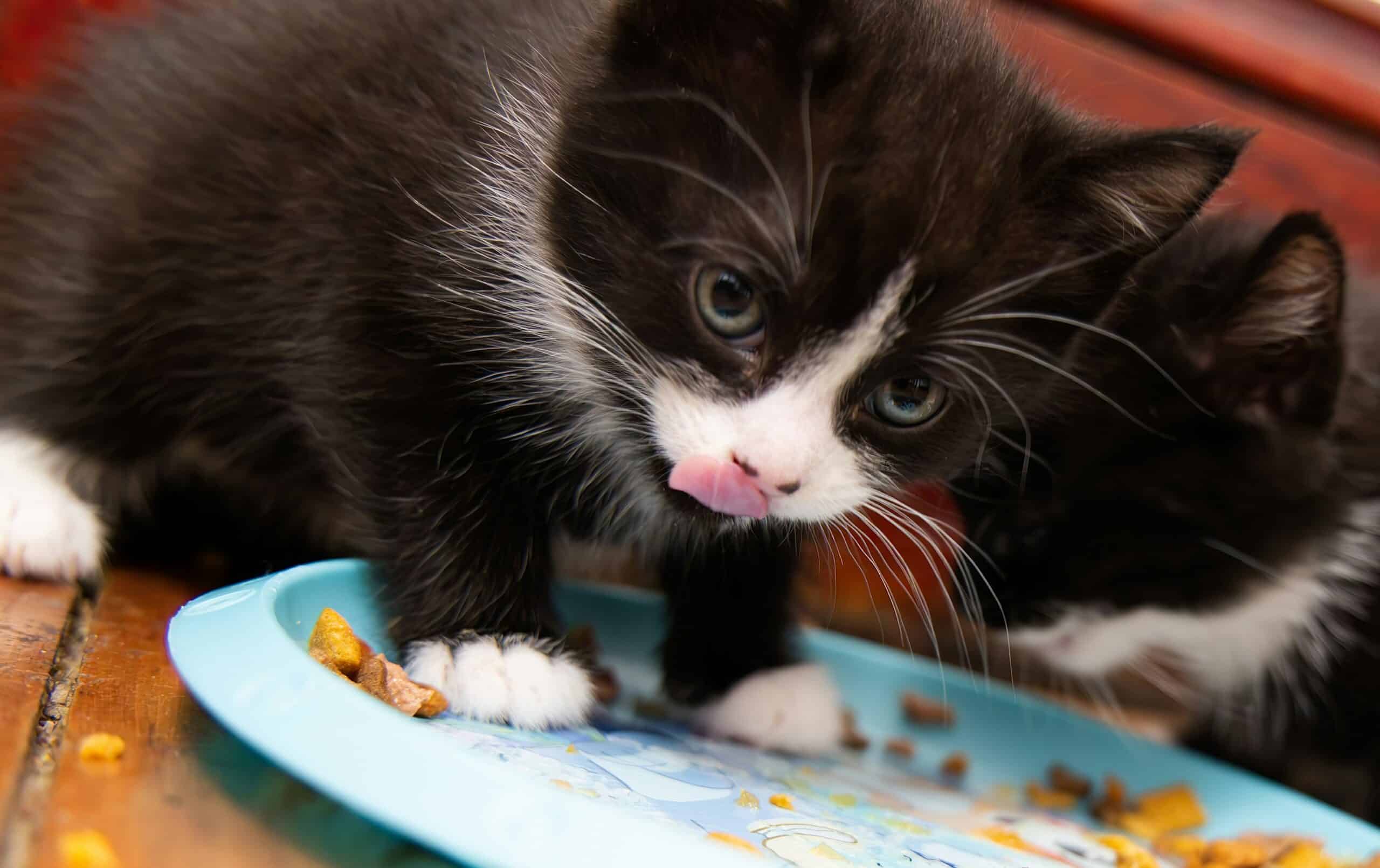
Your new kitten is growing fast, and the wall of bags and cans at the store gives no clear answer on what to feed them. The best kitten food is labeled complete and balanced for growth by AAFCO standards, built around animal protein, and enriched with DHA for healthy brain and eye development. The right choice fits your kitten’s needs and your budget, whether that is wet, dry, or a mix of both. This is general information, not veterinary advice, so talk to your veterinarian about your kitten specifically. Here are six picks, each suited to a different need.
A note on nutrition: Kittens have different needs than adult cats and require food formulated for growth.1 This article is general information, not a substitute for veterinary advice. Ask your veterinarian before changing your kitten’s diet, especially if they have health concerns.
Quick verdict:
- Best overall: Purina Pro Plan Kitten, well-researched with DHA and probiotics.
- Best for picky eaters: Royal Canin Kitten, thin slices in gravy kittens love.
- Best vet-backed: Hill’s Science Diet Kitten, with feeding-trial support.
- Best budget: Iams Proactive Health Kitten, complete nutrition for less.
Disclosure: HappyPaws is reader-supported. As an Amazon Associate, we earn from qualifying purchases made through links on this page, at no extra cost to you.
How We Picked the Best Kitten Food
We focused on AAFCO growth nutrition, animal-protein quality, DHA for development, and brands that employ veterinary nutritionists. The key label to look for is a statement that the food is complete and balanced for growth or all life stages, which means it meets AAFCO nutrient profiles.1 The notes below come from published specifications, AAFCO labeling, and consistent veterinary recommendations rather than hands-on testing of every formula.
| Your priority | Pro Plan | Royal Canin | Hill’s | Blue Buffalo | Iams |
|---|---|---|---|---|---|
| A well-researched all-rounder | Best fit | Workable | Best fit | Workable | Workable |
| A picky kitten who refuses food | Workable | Best fit | Workable | Workable | Workable |
| Feeding-trial backed formula | Best fit | Workable | Best fit | Skip | Workable |
| Grain-free, high protein | Workable | Skip | Skip | Best fit | Skip |
| Lowest price, still complete | Skip | Skip | Skip | Workable | Best fit |
Food prices shift with bag and case size, so confirm the current cost before you buy.
1. Purina Pro Plan Kitten: Best Overall
Why It Stands Out
Purina Pro Plan Kitten is among the most researched and frequently vet-recommended kitten foods. It pairs high animal protein with DHA for brain and eye development and live probiotics for digestion. It comes in both wet and dry, so you can build a mixed diet.
Worth Knowing
Purina employs veterinary nutritionists and runs feeding trials, which many vets value. It is a premium food, so it costs more than grocery brands. Both the pâté and dry forms are complete and balanced for growth.
It suits most kittens and owners who want a science-backed, widely trusted food. Skip it only if you need the lowest price or a specific grain-free formula. For most people, it is the easiest food here to recommend. Pair it with fresh water from a cat water fountain to support hydration.
It is the rare food that vets, breeders, and picky kittens all tend to agree on.
Check Price on Amazon2. Royal Canin Feline Health Kitten: Best for Picky Eaters
Why It Stands Out
Royal Canin Kitten is a go-to when a kitten turns up its nose at everything else. The thin slices in gravy have an aroma and texture that picky kittens find hard to resist. The kibble shape is also designed to be easy on small, growing teeth.
Worth Knowing
It is formulated to meet AAFCO growth standards with added DHA and minerals. Some formulas contain carrageenan, so ask your vet if your kitten has a sensitive stomach. Royal Canin also offers breed-specific options as kittens grow.
It suits picky eaters and owners who want a palatable, well-formulated food. Skip it if you prefer to avoid certain thickeners or want grain-free. For fussy kittens, it is the standout here. Introducing new food slowly helps, as our guide on introducing a new cat explains.
If your kitten walks away from the bowl, this is often the food that changes their mind.
Check Price on Amazon3. Hill’s Science Diet Kitten: Best Vet-Backed
Why It Stands Out
Hill’s Science Diet Kitten is built on rigorous research and long-term feeding trials. It includes DHA from fish oil, prebiotic fiber, and age-appropriate vitamins and minerals. It is one of the most consistently vet-recommended kitten foods available.
Worth Knowing
Hill’s employs board-certified veterinary nutritionists and tests its formulas extensively. Like other premium foods, it costs more than budget options. It comes in wet and dry forms for a balanced diet.
It suits owners who prioritize feeding-trial evidence and veterinary backing. Skip it if budget is the main concern or you want grain-free. For science-backed nutrition, it is the standout here. It transitions naturally to Hill’s adult formulas later.
If you want a food vets reach for first, this is a safe, proven choice.
Check Price on Amazon4. Blue Buffalo Wilderness Kitten: Best High-Protein
Why It Stands Out
Blue Buffalo Wilderness Kitten leans into high animal protein with a grain-free recipe. Real meat leads the ingredient list, which appeals to owners seeking a meat-forward diet. It includes DHA and the brand’s antioxidant blend for developing kittens.
Worth Knowing
It is formulated to meet AAFCO growth standards and skips corn, wheat, and soy. Grain-free is a preference, not a medical need, for most kittens, so ask your vet. It is widely available in wet and dry.
It suits owners who specifically want grain-free, high-protein food. Skip it if you prefer a feeding-trial brand or a lower price. For meat-forward recipes, it is the standout here. As always, confirm the choice fits your kitten with your vet.
If a grain-free, protein-rich diet is your goal, this is the pick built for it.
Check Price on Amazon5. Iams Proactive Health Kitten: Best Budget
Why It Stands Out
Iams Proactive Health Kitten delivers complete, balanced nutrition at a friendly price. It is one of a small group of brands vets cite as reliable and well-formulated. Real chicken leads the recipe, with nutrients to support growth.
Worth Knowing
It meets AAFCO growth standards and includes vitamin E and other essentials. As a value brand, the ingredient list is simpler than premium foods. It is easy to find in large, economical bags.
It suits budget-minded owners who still want complete, vet-acknowledged nutrition. Skip it if you want feeding-trial backing or grain-free recipes. For value, it is the standout here. It is a dependable everyday food for a growing kitten.
If you want solid nutrition without a premium price, this is the smart buy.
Check Price on Amazon6. Fancy Feast Kitten Classic Pâté: Best Wet Food
Why It Stands Out
Fancy Feast Kitten Classic Pâté is an affordable, palatable wet food that boosts hydration. The smooth pâté texture suits small kittens learning to eat wet food. The high moisture content supports urinary and kidney health.
Worth Knowing
It is formulated for kitten growth and made by Purina, a brand with veterinary nutritionists. Wet food spoils faster once opened, so refrigerate leftovers promptly. Mixing wet and dry gives both hydration and dental benefits.
It suits owners who want an affordable wet food for hydration and palatability. Skip it if you want a single complete dry diet only. For wet food value, it is the standout here. An automatic feeder can help with dry portions between wet meals.
If you want your kitten drinking more through their food, wet pâté is the easy route.
Check Price on AmazonHow to Choose Kitten Food
A few factors decide which kitten food fits your cat. Match them to your kitten’s needs.
Look for the AAFCO Growth Statement
Choose food labeled complete and balanced for growth or all life stages, which meets AAFCO nutrient profiles. This is the single most important label to check. It signals the food is formulated for a kitten’s needs, not just an adult cat’s.
Prioritize Animal Protein and DHA
A named animal protein like chicken or fish should lead the ingredients, since kittens need more protein than adults. DHA supports brain and eye development during this stage. These nutrients matter most while a kitten is growing.
Decide on Wet, Dry, or Both
Wet food boosts hydration, while dry is convenient and supports dental health, and many vets encourage a mix. Mixing gives the benefits of both. Choose based on your kitten’s preference and your routine.
Pick a Reputable Brand
Brands that employ veterinary nutritionists and run feeding trials offer extra assurance. Price alone is not a reliable quality signal. When unsure, ask your veterinarian which brands they trust.
Wet vs Dry Kitten Food
Both forms can be complete and balanced, but they offer different benefits. Here is the difference.
When Wet Food Wins
Wet food is mostly moisture, which supports hydration and urinary health, and its texture suits small kittens. It is often more palatable for picky eaters. For hydration and fussy kittens, wet food has the edge.
When Dry Food Wins
Dry food is convenient, economical, and can support dental health through chewing. It stores easily and works well in feeders. For convenience and value, dry food wins, and many owners simply use both.
Common Kitten Feeding Mistakes to Avoid
A few missteps can affect a growing kitten’s health. Watch for these.
Feeding Adult Cat Food Too Early
Adult food lacks the extra protein and nutrients kittens need for growth. Feed kitten food until about one year, then transition to adult food gradually.
Switching Foods Too Suddenly
An abrupt diet change can upset a kitten’s stomach. Transition over several days by mixing increasing amounts of the new food into the old.
Skipping the AAFCO Label
Food without a complete-and-balanced growth statement may not meet a kitten’s needs. Always check the label before buying, and ask your vet if unsure.
Overlooking Fresh Water
Kittens need constant access to clean water, especially on a dry diet. Keep water available at all times, and consider a fountain to encourage drinking.
Feeding Schedule as Your Kitten Grows
How often you feed changes with a kitten’s age. These general guidelines help, but your vet can tailor them.
Frequent Small Meals When Young
Young kittens have small stomachs and high energy needs, so several small meals a day work better than one or two large ones. Many owners free-feed dry food while offering wet meals on a schedule. Always keep fresh water available alongside.
Transition Toward Adult Feeding
As kittens approach a year, you can gradually reduce meal frequency toward an adult routine and switch to adult food. Make the food change slowly over several days to avoid stomach upset. Your veterinarian can confirm the right timing for your cat.
Frequently Asked Questions
What should I look for in kitten food?
Look for a label stating the food is complete and balanced for growth or all life stages, which meets AAFCO standards. Prioritize named animal protein and DHA for development. When in doubt, ask your veterinarian.
Is wet or dry food better for kittens?
Both can be complete and balanced, and many vets encourage feeding a mix. Wet food supports hydration and suits picky eaters, while dry is convenient and helps dental health. The best choice depends on your kitten and routine.
How long should a cat eat kitten food?
Most kittens eat kitten food until about one year of age, when they transition to adult food. Larger breeds may stay on kitten food a little longer. Your veterinarian can advise on timing for your cat.
Is grain-free kitten food better?
Grain-free is a preference rather than a medical need for most kittens. What matters more is complete, balanced nutrition with quality protein. Talk to your vet before choosing a grain-free diet.
How do I switch my kitten’s food safely?
Transition gradually over several days by mixing more of the new food into the old. A slow change reduces the risk of stomach upset. If problems persist, consult your veterinarian.
How much should I feed my kitten?
Follow the feeding guidelines on the package for your kitten’s age and weight, adjusting as they grow. Kittens need more calories per pound than adult cats. Your vet can help fine-tune portions.
Where can I learn more about kitten nutrition?
The Association of American Feed Control Officials sets pet-food nutrient standards, and the American Veterinary Medical Association offers pet nutrition guidance.2
Recommended read: As your kitten grows, see our best cat food for indoor cats and food for sensitive stomachs. Setting up for a new kitten? Read how to introduce a new cat.
Related Reading
Explore more: dog food for puppies, dog food for allergies, and cat food for urinary health.
Sources
- Association of American Feed Control Officials, pet food nutrient profiles for growth. aafco.org
- American Veterinary Medical Association, pet nutrition guidance. avma.org
