
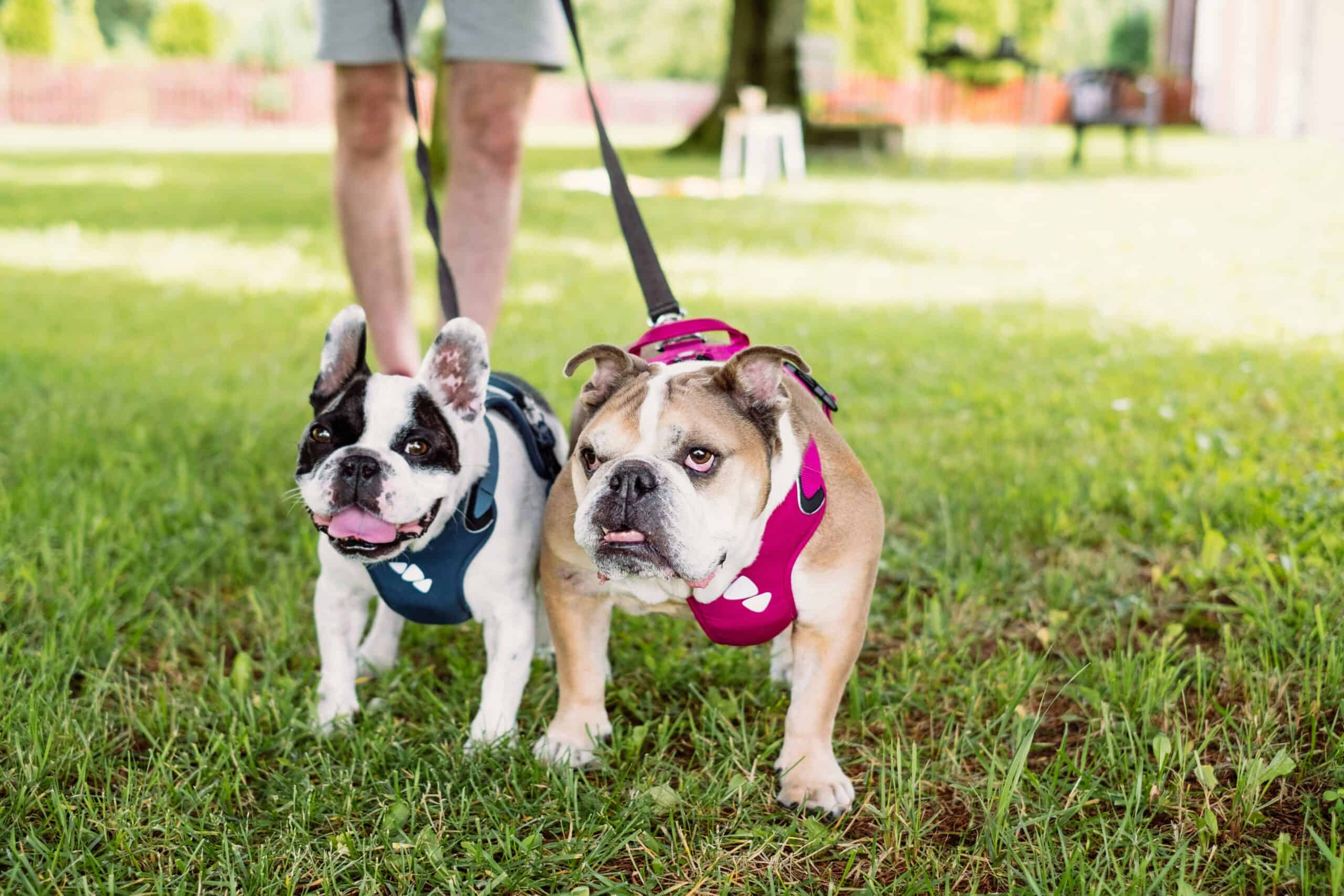
The best dog lift harnesses do one thing a collar or leash never can: carry part of your dog’s weight when its back legs give out. They wrap under the body or hindquarters and add a sturdy handle, so you can steady an arthritic or recovering dog on stairs, lift it into a car, or help it stand without straining your back or its joints. The right one matches where your dog needs the most help.
For most senior dogs a full-body harness like the Coodeo gives the broadest support. If your dog mainly struggles in the rear, or stays active, one of the other picks fits better below. Ask your vet about your dog’s specific condition before relying on any support gear.
Quick verdict: Start with the Coodeo full-body harness, since it supports the whole dog and suits most senior needs. The Ruffwear Web Master adds a rugged build for dogs still on the move, and the GingerLead pairs a rear sling with a leash for guided walks. The PetSafe CareLift targets weak hindquarters, the HEELU covers front and rear lifting, and the Kruuse sling keeps rear support simple and affordable.
| Your situation | Best pick | Why |
|---|---|---|
| Most senior dogs | Coodeo Full-Body | Whole-body support |
| Still active | Ruffwear Web Master | Rugged, sturdy handle |
| Guided walks | GingerLead Sling | Rear sling plus leash |
| Weak hindquarters | PetSafe CareLift | Targeted rear lift |
| Front and rear help | HEELU Lift Harness | Two-end lifting |
| Simple rear support | Kruuse Sling | Affordable, easy on |
Disclosure: HappyPaws is reader-supported. As an Amazon Associate, we earn from qualifying purchases made through links on this page, at no extra cost to you.
How We Picked the Best Dog Lift Harnesses
Support placement led the ranking. A dog with bad hips needs rear support, while a dog recovering from surgery may need lifting at both ends, so we sorted picks by where the help lands. Comfort came next, since a harness presses on the body under load, and thin straps that dig in can do more harm than good. We favored padded, broad panels that spread the weight. Ease of getting it on mattered too, because a stiff senior dog will not tolerate a wrestling match, and veterinary and kennel-club guidance stresses reducing strain on aging joints during everyday movement.1 A secure handle and washable fabric broke ties. For the bigger picture, our guide on how to care for a senior dog and our roundup of dog wheelchairs and mobility aids round out a mobility plan.
Coodeo Full-Body Lift Harness
Start here if your dog needs help in more than one spot. The Coodeo wraps the chest and hindquarters with padded panels and gives you handles front and back, so you can steady the whole dog at once. It works for daily support around the house and for the occasional lift into a car or up the stairs.
Why It Stands Out
The full-body design covers dogs whose weakness is hard to pin to one end. Wide padded panels spread the load to keep pressure off sore joints.
Worth Knowing
A full harness takes a moment longer to fit than a simple sling. Measure carefully, since a loose fit shifts the support to the wrong place.
Check Price on AmazonRuffwear Web Master Harness
For a dog that still wants to move, the Ruffwear Web Master brings a tougher build. A reinforced top handle lets you guide or lift over obstacles, and the snug five-point design stays put on an active dog. It started as a working harness, which shows in how it holds up to real use.
Why It Stands Out
The sturdy handle and secure fit suit dogs that hike or scramble despite stiff joints. The build quality outlasts lighter support harnesses.
Worth Knowing
It offers a single lift point rather than full front-and-rear support. For a dog that needs heavy, two-end lifting, a fuller harness fits better.
Check Price on AmazonGingerLead Support Sling
When walks are the main challenge, the GingerLead pairs a padded belly sling with a built-in leash. You hold the dog’s weight off its weak legs while still guiding the walk with one hand. It comes in front and rear versions, so you can match the sling to the trouble spot.
Why It Stands Out
The combined sling and leash lets one person manage support and direction together. The padded band sits comfortably under the belly for longer walks.
Worth Knowing
A sling supports one section, not the whole dog. Pick the front or rear model based on where your dog needs the lift.
Check Price on AmazonPetSafe CareLift Rear Support
Hip and hind-leg weakness is the most common senior problem, and the PetSafe CareLift targets it directly. It cradles the hindquarters with a padded support and an adjustable handle, letting you take weight off the back legs on stairs or slick floors. The step-in design helps with dogs that resist fussy gear.
Why It Stands Out
The rear focus suits dogs with arthritis or hip trouble in the back end. The handle height adjusts so you can lift without hunching.
Worth Knowing
It supports the rear only, so a dog with front weakness needs a different style. Check the fit around the hips for a dog with a deep or narrow build.
Check Price on AmazonHEELU Lift Harness
For recovery from surgery or injury, the HEELU offers lifting at both ends. Separate front and rear supports let you raise either half of the dog or both together, which helps during the weeks a dog is learning to walk again. The padding aims to keep a sore body comfortable under load.
Why It Stands Out
Two-end lifting covers dogs that need help standing, walking, and turning. The split design lets you support only the half that needs it on a given day.
Worth Knowing
More straps mean a longer fitting routine. Follow your vet’s plan for how much weight to support during recovery.
Check Price on AmazonKruuse Rehab Lifting Sling
On a budget, the Kruuse sling keeps rear support simple. It is a padded band with handles that slips under the hindquarters for a quick lift up the steps or out the door. For occasional help rather than all-day wear, it covers the basics without the cost of a full harness.
Why It Stands Out
It delivers straightforward rear support at the lowest price here. The simple band goes on fast for a dog that hates fuss.
Worth Knowing
A plain sling lacks the structure of a full harness for all-day use. It suits short lifts more than constant support.
Check Price on AmazonRecommended read: A harness is one piece of a mobility setup. See our picks for dog stairs and ramps for senior dogs, dog socks for traction, and dog knee braces to round out support at home.
How to Choose a Dog Lift Harness
The right harness comes down to where your dog needs support, the fit, comfort under load, and daily wear. A few checks keep you from buying the wrong style.
Where Support Is Needed
Watch where your dog struggles. Rear weakness calls for a hindquarter sling, front trouble needs a chest lift, and general decline points to a full-body harness. Our guide on helping a senior dog with arthritis covers reading those signs.
Fit and Sizing
Measure your dog before ordering, since a loose harness shifts support to the wrong spot and a tight one rubs. Check the brand’s chart against your dog’s girth and weight.
Padding and Comfort
Look for wide, padded panels that spread weight rather than thin straps that dig in. A sore senior dog will refuse gear that pinches.
All-Day Wear vs Occasional Lifts
Decide whether the harness stays on or comes out only for stairs and the car. A breathable, washable harness suits all-day wear, while a simple sling covers occasional help, much like a car ramp handles the vehicle.
Lift Harness vs Wheelchair
Both help a dog that struggles to move, and the right choice follows how much support your dog needs.
When a Lift Harness Wins
A harness suits a dog that can still walk with help, or that needs a hand on stairs, slick floors, and into cars. It is the lighter, lower-cost step for early or partial weakness.
When a Wheelchair Wins
A dog that cannot bear weight on its back legs at all may do better in a cart, which our wheelchair and mobility aid guide covers. Many owners use a harness first and add a wheelchair as needs grow. Your vet can help you judge the timing.
Common Lift Harness Mistakes to Avoid
A harness only helps when it fits and suits the problem. Steer clear of these missteps.
Guessing the Size
A harness ordered by eye often arrives too loose and shifts the support to the wrong spot. Measure your dog’s girth and weight against the chart, and check the fit around any sore area before regular use.
Using a Walking Harness to Lift
A standard walking harness is not built to take a dog’s weight and can press on the throat or chest. Choose a harness made for lifting, with a handle and padded panels placed to support rather than to choke.
Skipping the Vet’s Input
Reaching for a harness without knowing the cause can mask a problem that needs care. Ask your vet what is behind the weakness and how much support is safe before you rely on any gear.
Frequently Asked Questions
What is the best dog lift harness?
The Coodeo full-body harness suits most senior dogs, since it supports the whole body and works for stairs and car lifts. For dogs with mainly rear weakness, the PetSafe CareLift targets the hindquarters directly.
How do I know if my dog needs a lift harness?
Watch for slipping on floors, struggling to rise, or hesitation at stairs and the car. These can signal arthritis or hind-leg weakness. A vet can confirm the cause and advise how much support your dog needs.
Can a lift harness stay on all day?
Some full-body harnesses are made for extended wear with breathable, padded fabric, but check the maker’s guidance and watch for rubbing. A simple sling is better for occasional lifts than constant wear.
Front, rear, or full-body support?
Match the harness to the trouble spot. Rear slings help weak hips and hind legs, front lifts help shoulder or leg weakness up front, and full-body harnesses suit dogs that need help at both ends.
Will a lift harness hurt my back?
A good harness puts a sturdy handle at a comfortable height so you lift with your legs, not your spine. Adjustable handles help, and a sling with a long handle lets taller owners stay upright.
How much weight can a dog lift harness support?
It varies by design and size, with full-body harnesses built to bear more than a simple sling. Check the maker’s guidance for your dog’s weight, and lift with your legs to spare both your back and the dog’s joints.
Can I leave a lift harness on between walks?
Some breathable full-body harnesses are made for extended wear, but check for rubbing and give the skin breaks. A bulky sling is better taken off once the lift or the stairs are done.
Will a lift harness help a dog after surgery?
Many owners use one during recovery to support a dog learning to walk again, but only on a vet’s plan. Follow the guidance on how much weight to take and how long to support each day.
Related Reading
Explore more: no pull harnesses large dogs, and cat harnesses.
Recommended Reading
See also our guides to dog nail clippers.
Sources
- American Kennel Club, guidance on senior dog arthritis, joints, and mobility. akc.org
Related: supplies for a dog with a broken leg.
